NAD, NMN, NR, and Injectable NAD: What Actually Makes Sense?

If you spend any time around the longevity world today, you will quickly hear about Nicotinamide adenine dinucleotide (NAD) and the supplements that are supposed to raise it.

People talk about NAD like it is the master switch for aging, energy, brain function, and metabolism. Podcasts, clinics, and supplement companies all have their version of the story.

And like most things in health and longevity, there is some real science mixed with a lot of marketing.

Let’s break down what NAD actually is, what NMN and NR do, and where injectable NAD fits into the picture.

What NAD Actually Does

NAD is a molecule found in every cell in your body. It plays a central role in cellular metabolism and energy production.

Without NAD, your cells cannot efficiently convert food into usable energy.

NAD is also involved in:

• mitochondrial function
• DNA repair
• cellular stress responses
• activation of longevity pathways including Sirtuins

One of the reasons scientists became interested in NAD is that levels decline with age. Some research suggests that NAD levels may drop significantly between youth and older age.

That decline has led researchers to explore ways to restore NAD levels in the body.

Why People Don’t Just Take NAD Directly

You might think the simple answer would be to just take NAD itself.

The problem is that NAD is a large molecule, and when taken orally it does not easily enter cells intact. The body tends to break it down before it can be used.

That led researchers to focus on molecules the body can convert into NAD. These are called NAD precursors.

The two most widely discussed are Nicotinamide mononucleotide (NMN) and Nicotinamide riboside (NR).

Both of these compounds exist naturally in the body and are part of the pathway that produces NAD.

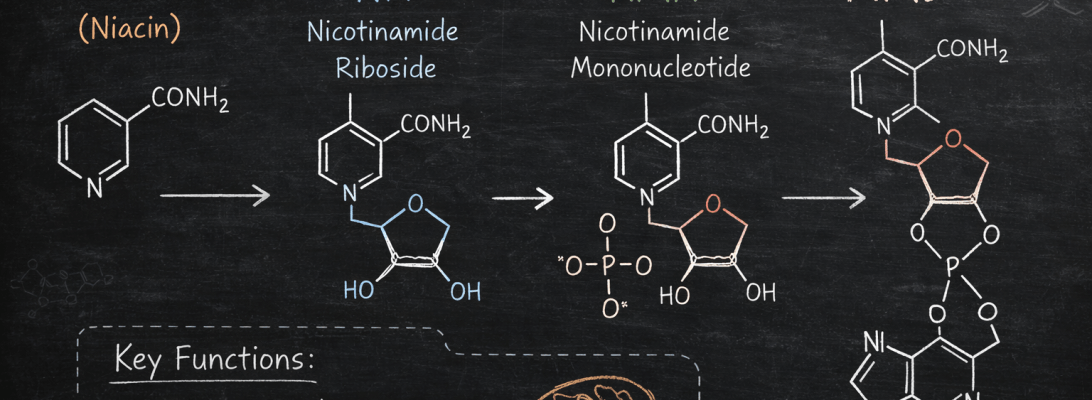
Very simply, the pathway looks like this:

Vitamin B3 → NR → NMN → NAD

Taking NMN or NR essentially provides the body with raw material to rebuild NAD through its normal metabolic pathways.

What the Research Shows So Far

The science around NAD and aging is fascinating, but it is still developing.

Animal studies have shown that raising NAD levels can improve mitochondrial function, metabolism, and certain markers associated with aging.

In humans, research has shown that NMN and NR do increase NAD levels in blood.

However, the big question remains unanswered.

Does raising NAD actually slow aging or meaningfully improve long-term health?

The answer today is: we don’t know yet.

The research is promising but still early.

The Rise of Injectable NAD

Because NAD itself is such a critical molecule, many wellness clinics now offer IV NAD infusions or injections.

The idea is that if NAD is delivered directly into the bloodstream, it could quickly boost cellular NAD levels.

These treatments can cost several hundred dollars per session, and patients often report feeling:

• increased energy
• improved mental clarity
• improved mood
• reduced fatigue

There is even some exploration of NAD infusions in addiction medicine during detox programs.

But scientifically, the picture is still unclear.

Even when NAD is injected into the bloodstream, it may still be broken down into smaller components before cells use it. In other words, the body may end up rebuilding NAD through the same pathways it would use with NMN or NR.

Another interesting detail is that NAD infusions often have to be administered very slowly. If the drip runs too fast, patients commonly experience flushing, chest pressure, nausea, or abdominal discomfort.

A Personal Perspective

I have been around the supplement and longevity world for a long time.

One of my close friends is Oz Garcia, who has spent decades advising actors, athletes, and people who are extremely serious about their health.

Oz has seen just about every supplement trend come and go.

When I asked him about NAD injections, his answer was simple and very practical.

He suggested that instead of paying $200–$250 per session for injectable NAD, it makes more sense to take NMN or NR powder and allow the body to build NAD naturally.

In his view, the metabolic pathway already exists. The body knows how to convert these precursors into NAD efficiently.

And from a cost perspective, it is dramatically cheaper.

The Bigger Picture

The NAD story highlights something interesting about the longevity field.

We are learning that aging is closely tied to cellular energy systems, mitochondrial health, and the body’s ability to repair itself.

NAD sits right in the middle of those systems.

But it is unlikely that one molecule alone will solve aging.

The strongest drivers of cellular health are still the basics:

• exercise
• metabolic health
• sleep
• nutrition
• stress management

Supplements like NMN or NR may support those systems, but they are not magic bullets.

My Approach

My personal approach is fairly simple.

I try to combine:

• the emerging science
• advice from people I trust who have spent decades studying nutrition
• and a little bit of common sense

When someone like Oz Garcia — someone who has been working at the highest level of nutrition for decades — suggests using NMN or NR powder instead of expensive NAD injections, that makes sense to me.

It respects the biology of how the body works, and it respects your wallet.

In the end, my philosophy has always been the same.

Blend good science, practical experience, and cost awareness.

That combination often leads to better decisions than hype alone.

Give Me One Minute, I’ll Give You the World

What if you could just do something for one minute a few times an hour that would change your life? It’s that simple, and I’m going to prove it to you.

First, let me share a little secret: I’ve managed to stay fit and healthy by being lazy. My friends used to make fun of me for my quick gym visits. They’d say, “John, I was at the gym an hour before you. You came in, gave air kisses to three girls, worked out for 10 minutes, and left, while I spent a total of 1.5 hours here.” But guess what? I look great, and they don’t. Why? Because while they dread going to the gym for an hour, I go every day for just 10 minutes. It’s easy to go every day when it’s only for 10 minutes!

Now, let’s take this practice to an extreme. Consider Jack LaLanne, the father of exercise, who started the first gym in 1939. Back then, he gave women a series of simple home exercises. What if we went back to the future and did simple things all day long?

I recently went to physical therapy for my neck and started doing small exercises here and there. My posture improved, my range of motion increased, and it turns out we can burn between 3 and 10 calories a minute depending on the activity. So let’s settle on 5 calories a minute for simplicity. If you’re awake for 16 hours a day and do something for just one minute every 20 minutes, that’s 48 times a day. Multiply that by 7 days a week, and you’re burning an extra 1,680 calories a week, which translates to around 2 pounds of weight loss a month or 25 pounds a year. Plus, you’ll be more flexible, feel younger, and be in less pain.

Who wants to join me?

What about success? What if you made that one important phone call that only takes a minute? You know the one you have been avoiding for 3 weeks, while you were busy organizing your files. What if you took another 5 minutes each day to do the most important things you need to do? Most of those calls will go to voicemail, taking just 30 seconds. Send a text, comment on Instagram—each of these actions could change your life, and they all take less than a minute.

One minute is all you need to say no to temptations. I used to take clients to lunch every day at the best restaurants in New York. My mind might have been thinking vodka gimlet, fillet mignon and a chocolate mousse pie for dessert, but the words that came out of my mouth were broiled fish and salad and club soda with lime. Sure I wanted to call the waiter back and change my order, but that feeling passed. That afternoon I’d feel great while jogging 5 miles. We buried many a salesman who spent the afternoon at the infamous Palm Restaurant in New York drinking their way to cirrhosis of the liver. Just a few seconds of self discipline helped me navigate decades of taking people to lunch and not getting fat, drunk or dead.

Ever notice that cravings pass in about five minutes? The initial action only takes a minute. Just get up, stretch, make the call, drink water. There are endless things you can do in less than a minute that will change your life. I’m not asking you to go to the gym or walk 10,000 steps. I’m only asking for one minute here and there, and it will add up.

Here’s a math test: What’s longer, one minute three times each waking hour or 30 minutes of exercise? Duh—assuming you’re awake 16 hours a day, that’s 48 minutes versus 30 minutes. This is the lazy person’s way, my way, to stay healthy, happy, and wealthy.

One last test: What’s more effective, 30 minutes of meditation in the morning followed by 17 hours of endless mind chatter, or a peaceful, reflective day where you let go of negative thoughts and reactions? I live my life in peace. The average person thinks 60,000 to 80,000 thoughts a day, mostly negative and repetitive. That’s no way to live. Start by giving me just one minute, and we can change our lives together.

Now, if I can just take a minute to figure out how to open up the comments so I can get comments and we can have more fun.

How to Play And Stay Active, Strong, and Beautiful for Life.

Are you active? Do you want to stay active for years to come? Whether you’re hitting the gym, practicing yoga, skiing, or playing tennis, staying strong, shapely, healthy, and beautiful takes a well-rounded approach. Here are four essential keys to maintaining an active and vibrant lifestyle—and the best part is they’re in alphabetical order for easy reference!


1. Acupuncture: Peter Caron, Gotham Acupuncture

Peter Caron, Gotham Acupuncture is my go-to for acupuncture. This ancient practice has stood the test of time for good reason—it helps reduce inflammation, improve circulation, and restore balance to your body. Whether you’re recovering from an injury or simply want to stay in peak condition, acupuncture is a powerful tool to keep you feeling your best.

Peter’s expertise lies in tailoring treatments to your unique needs, making him one of the best in the field. Regular sessions can enhance recovery, manage stress, and support overall health, ensuring you’re ready for whatever life throws your way.


2. Chiropractic Care: Dr. Josh Handt

Dr. Josh Handt is a chiropractor whose approach goes beyond quick fixes. He’s dedicated to helping you achieve optimal alignment and function, which is critical for staying active and avoiding injuries.

Proper spinal alignment isn’t just about relieving pain—it’s about improving mobility, flexibility, and overall performance. Whether you’re an athlete or simply want to maintain a healthy posture, chiropractic care is a cornerstone of staying active and resilient.


3. OsteoStrong

OsteoStrong is a cutting-edge system designed to strengthen your skeletal system, and it’s one of my favorite ways to support long-term health and mobility. By improving bone density, OsteoStrong helps you avoid fractures and maintain balance as you age.

But it’s not just about bones—this system also enhances muscular strength and joint health, making it a fantastic addition to your wellness routine. If you want to stay strong, flexible, and injury-free, OsteoStrong is an absolute game-changer. OsteoStrong New York. OsteoStrong Fort Lauderdale


4. Precision Aesthetics Beauty and Strength

Last but definitely not least, Precision Aesthetics offers the most advanced treatments for maintaining muscle health and avoiding injury. With recent FDA clearances, we now know that treatments like Emsculpt Neo do more than sculpt your body—they help maintain and strengthen muscles to prevent injuries and enhance performance.

From muscle re-education and increasing range of motion to improving circulation, Precision Aesthetics combines beauty and functionality in every treatment. Whether you’re looking to tone, tighten, or simply stay strong and active, their innovative approach makes them a vital part of your wellness toolkit.


The Bottom Line: Stay Active and Vibrant

Staying strong, shapely, healthy, and beautiful isn’t just about one thing—it’s about creating a holistic plan that supports your body in every way. By incorporating these four essentials—Acupuncture, Chiropractic Care, OsteoStrong, and Precision Aesthetics—you’ll be well on your way to maintaining an active and vibrant lifestyle for years to come.

So, whether you’re on the slopes, the court, or simply enjoying life, these favorites will keep you at your best. Give them a try—you’ll thank yourself later.

Keywords: Active lifestyle, acupuncture, chiropractic care, OsteoStrong, Precision Aesthetics, muscle health, injury prevention, bone density, holistic wellness.

Precision Aesthetics: Unique Emface Treatments in NYC

Emface is a revolutionary non-invasive treatment that combines radiofrequency (RF) energy with high-intensity facial electromagnetic stimulation (HIFES) to target both the skin and the underlying facial muscles. This dual-action technology is unique in the non-surgical facial rejuvenation space, as it not only lifts and tightens the skin but also enhances muscle tone, stimulates collagen and elastin production, and reduces fine lines and wrinkles. The result? A natural, youthful lift with improved skin texture and tone—all without needles, toxins, or the downtime associated with surgery.

At Precision Aesthetics MD in New York City, Dr. Lisa A. Zdinak and her team bring unmatched expertise to Emface treatments. Precision Aesthetics is among the first practices in the world to integrate this groundbreaking technology, carefully customizing each Emface session to suit the unique needs of every client. What sets Precision Aesthetics apart is their specialized use of combination treatments: in addition to Emface, they utilize devices like Thermage for deep collagen stimulation, Exilis Ultra for skin tightening, and SilkPeel for skin resurfacing. These technologies, when expertly layered, address multiple facets of aging in a way that single treatments cannot achieve.

Precision Aesthetics’ combination approach is not available elsewhere, making them a destination clinic for those seeking a comprehensive, non-surgical facelift experience. This unique customization ensures that each client receives a treatment plan designed to achieve natural, optimal results tailored to their individual facial structure and aesthetic goals. With over 20 years of experience in non-surgical aesthetics, Precision Aesthetics blends the latest in aesthetic technology with a deep understanding of facial anatomy to provide results that are both subtle and long-lasting.

Top Anti-Inflammatories to Ward Off Arthritis and Inflammatory Issues

Inflammation is the body’s natural response to injury or illness, but chronic inflammation can lead to a host of health problems, including arthritis and other inflammatory conditions. Fortunately, there are several natural anti-inflammatories backed by evidence-based research that can help manage and reduce inflammation. Below is a list of some of the top anti-inflammatories that may support your journey toward better health.

Note from John:

For those who don’t like to read or just want the quick version (hey, we’re all a bit lazy sometimes), here’s my cliff notes or “quickie for dummies”:

When I worked with Oz Garcia, I had the job of writing vitamin labels. This wasn’t just a matter of slapping on some buzzwords—I had to back every claim with solid studies, which then went through a rigorous review by the nutritionist and legal team at the vitamin manufacturer. One of our big projects was creating the Longevity Pak, which even Hillary Swank raved about. I also wrote individual labels, and let me tell you, the easiest one to write was for fish oils. The benefits are practically endless: they start with the brain, move down to the heart, and cover the whole body’s inflammation issues. When it comes to fish oils, focus on Omega-3s—trust me, we already get more than enough Omega-6s in our diet. Funny enough, they used to sell products boasting Omega-3, 6, and 9, but really, just stick with Omega-3s.

If you’re going to pick one supplement, Omega-3s would be it. My second favorite? Turmeric or curcumin. Over 25 years ago, I used to buy organic turmeric powder (the kind sold for seasoning) and mix half a teaspoon with water. I don’t recommend it—it tasted awful! But do be careful about the source.

As for resveratrol and SAMe, they’re way too pricey. One of my favorite go-to doctors, who was on Steve Jobs’ medical team and has a PhD in nutrition and biochemistry, told me resveratrol isn’t worth it. I don’t have two PhDs, so I take his word for it.

Everyone is vitamin D deficient—even my friends in Florida. That says a lot because vitamin D is crucial for so many things. Magnesium is another essential; it’s involved in everything from energy production to relaxing your muscles. Most of us need it. Start there, and remember, we are all biologically unique—or as Joshua Rosenthal coined it, we have “bio-individuality.” So, pay attention to what works for you.

PS: If you want to see Oz Garcia in person, be prepared to shell out $25,000 just to walk through the door. The first thing he’ll ask you to do? Write down everything you eat for a week. Duh. Not only are we biologically different, but we also all have different diets. You can’t hire someone to follow you around for a week to track your meals. Well, actually, you can—Oz does one-week retreats with his billionaire clients. But assuming most reading this aren’t in that category, you’ll need to track what you eat and how you feel. Personally, I use an Excel sheet to track my supplements and medications (I take testosterone and growth hormone). It’s essential for reference.

1. Turmeric (Curcumin)

Curcumin, the active compound in turmeric, has been extensively studied for its anti-inflammatory properties. It works by inhibiting several molecules involved in inflammation, such as NF-kB, COX-2, and TNF-alpha. Curcumin has shown effectiveness in managing inflammatory conditions like arthritis.

2. Omega-3 Fatty Acids (Fish Oil)

Omega-3 fatty acids, particularly EPA and DHA found in fish oil, are powerful anti-inflammatories. They reduce the production of inflammatory cytokines and eicosanoids, providing relief from joint stiffness and pain, particularly in rheumatoid arthritis.

3. Ginger

Ginger contains bioactive compounds such as gingerol and shogaol, which are known for their anti-inflammatory effects. Research shows that ginger can significantly reduce inflammation and pain in conditions like osteoarthritis.

  • How to Use: Ginger can be consumed fresh, dried, or in supplement form. A common dose is 1-2 grams of ginger extract daily.
  • Learn More: Journal of Medicinal Food

4. Green Tea (EGCG)

Green tea, rich in epigallocatechin gallate (EGCG), is a potent anti-inflammatory and antioxidant. It has been shown to reduce inflammation and cartilage degradation in arthritis.

  • How to Use: Enjoy 3-4 cups of green tea daily or take 400-800 mg of EGCG as a supplement.
  • Learn More: Journal of Nutrition

5. Resveratrol

Resveratrol, found in red grapes, berries, and red wine, has anti-inflammatory properties. It works by inhibiting NF-kB and other inflammatory pathways and is studied for its potential to reduce inflammation in arthritis and cardiovascular disease.

6. Boswellia Serrata (Indian Frankincense)

Boswellia Serrata is known for its anti-inflammatory effects, particularly in osteoarthritis. The active compounds, boswellic acids, inhibit the 5-lipoxygenase enzyme, reducing inflammation and pain.

7. Bromelain

Bromelain, an enzyme found in pineapples, has anti-inflammatory properties and is particularly effective in reducing inflammation from soft tissue injuries and osteoarthritis.

  • How to Use: Bromelain is typically taken in doses of 500-2,000 mg daily.
  • Learn More: Planta Medica

8. Capsaicin

Capsaicin, the compound that gives chili peppers their heat, reduces inflammation and pain by depleting substance P, a neuropeptide involved in pain transmission. It is commonly used for osteoarthritis pain relief.

  • How to Use: Capsaicin is available in topical creams, with concentrations ranging from 0.025% to 0.1%.
  • Learn More: Pain Journal

9. Vitamin D

Vitamin D is essential for immune function and inflammation regulation. Low levels of vitamin D are associated with higher inflammation and an increased risk of autoimmune diseases like rheumatoid arthritis.

10. Quercetin

Quercetin is a flavonoid that has powerful anti-inflammatory effects. It works by inhibiting inflammatory cytokines like IL-6 and TNF-alpha, making it a beneficial supplement for reducing chronic inflammation.

11. Alpha-Lipoic Acid (ALA)

Alpha-lipoic acid is an antioxidant that helps reduce inflammation by neutralizing free radicals. It is particularly effective in reducing inflammation in people with metabolic syndrome and diabetes.

12. S-adenosylmethionine (SAMe)

SAMe is a compound naturally produced in the body that plays a role in reducing pain and inflammation in osteoarthritis. It also supports joint health by promoting cartilage production.

13. Magnesium

Magnesium is involved in many bodily processes, including the regulation of inflammation. It helps lower levels of CRP (C-reactive protein), a marker of inflammation, which can reduce the risk of chronic inflammatory diseases.

14. Vitamin C

Vitamin C is a powerful antioxidant that neutralizes free radicals, reducing inflammation. It also supports immune function and is essential for collagen production, which is vital for joint health.

  • How to Use: While the RDA for vitamin C is 90 mg for men and 75 mg for women, higher doses (500-1,000 mg) are often recommended for their anti-inflammatory benefits.
  • Learn More: Nutrients Journal

15. Zinc

Zinc is crucial for immune health and has anti-inflammatory properties. It helps modulate the immune response and reduce inflammatory cytokines, which can be beneficial in managing chronic inflammatory conditions.

  • How to Use: The RDA for zinc is 11 mg for men and 8 mg for women, though supplements typically provide higher doses (15-30 mg).
  • Learn More: Biological Trace Element Research

Conclusion

Incorporating these natural anti-inflammatories into your daily routine can support your body’s ability to manage inflammation, potentially preventing or reducing the severity of conditions like arthritis. Always remember, before starting any new supplement, it’s important to consult with a healthcare provider, especially if you are managing a chronic condition or are on medication.


Disclaimer: The information provided in this blog post is for educational purposes only and should not be considered as medical advice. Always consult with a qualified healthcare professional before starting any new treatment or supplement regimen. Individual results may vary, and what works for one person may not work for another. The statements in this post have not been evaluated by the Food and Drug Administration (FDA). These products are not intended to diagnose, treat, cure, or prevent any disease.

Give Me One Minute, I’ll Give You the World

What if you could just do something for one minute a few times an hour that would change your life? It’s that simple, and I’m going to prove it to you.

First, let me share a little secret: I’ve managed to stay fit and healthy by being lazy. My friends used to make fun of me for my quick gym visits. They’d say, “John, I was at the gym an hour before you. You came in, gave air kisses to three girls, worked out for 10 minutes, and left, while I spent a total of 1.5 hours here.” But guess what? I look great, and they don’t. Why? Because while they dread going to the gym for an hour, I go every day for just 10 minutes. It’s easy to go every day when it’s only for 10 minutes!

Now, let’s take this practice to an extreme. Consider Jack LaLanne, the father of exercise, who started the first gym in 1939. Back then, he gave women a series of simple home exercises. What if we went back to the future and did simple things all day long?

I recently went to physical therapy for my neck and started doing small exercises here and there. My posture improved, my range of motion increased, and it turns out we can burn between 3 and 10 calories a minute depending on the activity. So let’s settle on 5 calories a minute for simplicity. If you’re awake for 16 hours a day and do something for just one minute every 20 minutes, that’s 48 times a day. Multiply that by 7 days a week, and you’re burning an extra 1,680 calories a week, which translates to around 2 pounds of weight loss a month or 25 pounds a year. Plus, you’ll be more flexible, feel younger, and be in less pain.

Who wants to join me?

What about success? What if you made that one important phone call that only takes a minute? You know the one you have been avoiding for 3 weeks, while you were busy organizing your files. What if you took another 5 minutes each day to do the most important things you need to do? Most of those calls will go to voicemail, taking just 30 seconds. Send a text, comment on Instagram—each of these actions could change your life, and they all take less than a minute.

One minute is all you need to say no to temptations. I used to take clients to lunch every day at the best restaurants in New York. My mind might have been thinking vodka gimlet, fillet mignon and a chocolate mousse pie for dessert, but the words that came out of my mouth were broiled fish and salad and club soda with lime. Sure I wanted to call the waiter back and change my order, but that feeling passed. That afternoon I’d feel great while jogging 5 miles. We buried many a salesman who spent the afternoon at the infamous Palm Restaurant in New York drinking their way to cirrhosis of the liver. Just a few seconds of self discipline helped me navigate decades of taking people to lunch and not getting fat, drunk or dead.

Ever notice that cravings pass in about five minutes? The initial action only takes a minute. Just get up, stretch, make the call, drink water. There are endless things you can do in less than a minute that will change your life. I’m not asking you to go to the gym or walk 10,000 steps. I’m only asking for one minute here and there, and it will add up.

Here’s a math test: What’s longer, one minute three times each waking hour or 30 minutes of exercise? Duh—assuming you’re awake 16 hours a day, that’s 48 minutes versus 30 minutes. This is the lazy person’s way, my way, to stay healthy, happy, and wealthy.

One last test: What’s more effective, 30 minutes of meditation in the morning followed by 17 hours of endless mind chatter, or a peaceful, reflective day where you let go of negative thoughts and reactions? I live my life in peace. The average person thinks 60,000 to 80,000 thoughts a day, mostly negative and repetitive. That’s no way to live. Start by giving me just one minute, and we can change our lives together.

Now, if I can just take a minute to figure out how to open up the comments so I can get comments and we can have more fun.

What Supplements Should I Take?

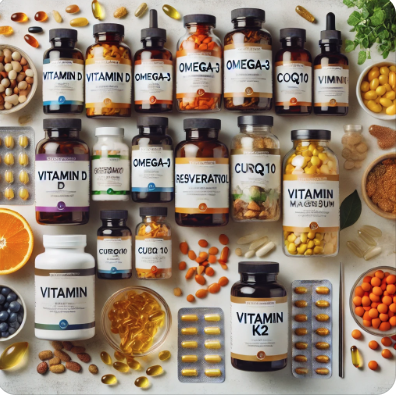
I promised to be the ultimate hack for health, happiness, and beauty. So here is what the top anti-aging scientists take:

Top anti-aging scientists and researchers often take a variety of supplements based on their research and understanding of the aging process. While individual regimens can vary, here are some common supplements that many of these experts incorporate into their daily routines:

Common Supplements Among Anti-Aging Scientists

  1. Vitamin D
    • Purpose: Supports bone health, immune function, and reduces inflammation.
    • Sources: Sun exposure, fortified foods, and supplements.
    • Evidence: Vitamin D deficiency is linked to various age-related diseases .
  2. Omega-3 Fatty Acids
    • Purpose: Supports heart health, reduces inflammation, and improves brain function.
    • Sources: Fish oil, flaxseeds, chia seeds.
    • Evidence: Omega-3s can reduce the risk of chronic diseases like heart disease and dementia .
  3. Resveratrol
    • Purpose: Mimics caloric restriction effects, potentially extending lifespan.
    • Sources: Red wine, grapes, berries, and supplements.
    • Evidence: Resveratrol may improve mitochondrial function and protect against age-related diseases .
  4. Nicotinamide Riboside (NR) / Nicotinamide Mononucleotide (NMN)
    • Purpose: Boosts NAD+ levels, essential for cellular energy and repair.
    • Sources: Supplements.
    • Evidence: Increasing NAD+ levels can enhance metabolic health and potentially extend lifespan .
  5. Curcumin
    • Purpose: Anti-inflammatory and antioxidant properties.
    • Sources: Turmeric spice and supplements.
    • Evidence: Curcumin reduces inflammation and oxidative stress, key drivers of aging .
  6. Coenzyme Q10 (CoQ10)
    • Purpose: Supports mitochondrial function and energy production.
    • Sources: Meat, fish, whole grains, and supplements.
    • Evidence: CoQ10 levels decline with age, and supplementation helps maintain cellular energy and reduce oxidative damage .
  7. Vitamin K2
    • Purpose: Supports bone and cardiovascular health by directing calcium to bones and away from arteries.
    • Sources: Fermented foods, dairy, and supplements.
    • Evidence: Vitamin K2 improves cardiovascular health and bone density .
  8. Magnesium
    • Purpose: Supports muscle and nerve function, bone health, and metabolic processes.
    • Sources: Green leafy vegetables, nuts, seeds, whole grains, and supplements.
    • Evidence: Adequate magnesium intake is crucial for many bodily functions and may help prevent age-related diseases .

Examples of Notable Figures and Their Regimens

  1. David Sinclair (Harvard Medical School)
    • Supplements: NMN, resveratrol, metformin (prescription), and vitamin D.
    • Focus: Increasing NAD+ levels and mimicking caloric restriction .
  2. Peter Attia (Physician, Longevity Specialist)
    • Supplements: Omega-3 fatty acids, vitamin D, magnesium, and others tailored to personal health metrics.
    • Focus: Reducing chronic disease risk and improving metabolic health .
  3. Rhonda Patrick (FoundMyFitness)
    • Supplements: Omega-3 fatty acids, vitamin D, magnesium, probiotics, and sulforaphane.
    • Focus: Comprehensive health optimization through diet and supplementation .

Personal Insights and Bets on Life

Growth Hormone and Testosterone

  • Rationale: At my age, the risk-reward ratio for taking growth hormone and testosterone is highly favorable. These supplements can improve muscle mass, energy levels, and overall vitality, which are crucial for maintaining a high quality of life.
  • Growth Hormone: Known for its anti-aging effects, improving skin elasticity, and increasing energy.
  • Testosterone: Vital for maintaining muscle mass, bone density, and libido.

Viagra

  • Rationale: Using Viagra to improve circulation in my brain and heart is a strategic decision. Better blood flow can enhance cognitive function and cardiovascular health.
  • Benefits: Besides its well-known use, it supports overall circulatory health, which is critical for maintaining organ function and preventing age-related decline.

Conclusion

We all place our bets in life. For me, taking growth hormone, testosterone, and Viagra are calculated risks with significant potential benefits. Combining these with a tailored supplement regimen can help optimize health and longevity.

References

  1. Healthline – Benefits of Vitamin D
  2. Mayo Clinic – Vitamin D
  3. Harvard T.H. Chan School of Public Health – Omega-3 Fatty Acids
  4. National Institutes of Health – Omega-3 Fatty Acids
  5. PubMed – Resveratrol: How Much Wine?
  6. WebMD – Resveratrol
  7. Healthline – Nicotinamide Riboside
  8. NIH – NAD+ Boosters
  9. Healthline – Benefits of Curcumin
  10. PubMed – Curcumin: Inflammation and Aging
  11. NIH – Coenzyme Q10
  12. Healthline – CoQ10 Benefits
  13. WebMD – Vitamin K2
  14. Healthline – Vitamin K2 Benefits
  15. NIH – Magnesium
  16. Healthline – Magnesium Benefits
  17. David Sinclair – Lifespan
  18. Harvard Health Blog – The Power of Resveratrol
  19. Peter Attia – Supplements
  20. FoundMyFitness – Rhonda Patrick

These insights, combined with the personalized approaches taken by leading scientists, illustrate the thoughtful and proactive strategies employed to enhance longevity and quality of life.

4o

Stay in Motion: The Secret to Getting More Done

Ever noticed how on your busiest days, not only do you manage to get everything done, but you often tackle tasks that have been lingering on your to-do list for ages? It’s a phenomenon encapsulated by the saying, “If you want to get something done, give it to a busy person.” But what if that busy person was you? Here’s why staying in motion can be the key to increasing your productivity.

The Momentum of Motion

1. The Physics of Productivity:

  • Newton’s First Law of Motion: Newton’s first law states that a body at rest stays at rest, and a body in motion stays in motion unless acted upon by an external force. This principle doesn’t just apply to physical objects; it can be a powerful metaphor for our productivity.
  • Starting is the Hardest Part: Imagine trying to push a car that’s stalled. It takes significant effort to get it moving, but once it’s rolling, maintaining that motion requires much less energy. Similarly, getting started on tasks when you’re stagnant can feel daunting, but once you’re in the flow, tasks seem to complete themselves almost effortlessly.

2. The Energy of Busyness:

  • Busy People Get More Done: Busy individuals often thrive on their packed schedules. The momentum they build helps them move from one task to the next with minimal friction. It’s the same energy that keeps a rolling car moving forward.
  • Harnessing Momentum: When you’re already in motion—whether it’s tackling work tasks or managing household chores—adding another task to your list feels less overwhelming because you’re already in a productive mindset.

Leveraging Motion in Daily Life

1. Break the Stagnation:

  • Physical Activity: When you feel stuck on a task, taking a physical break can help. Activities like cleaning, organizing, or even a quick walk can rejuvenate your mind and keep you in motion. This aligns with research showing that physical movement can enhance cognitive function and creativity .
  • Avoid Digital Distractions: Conversely, breaks involving passive activities like watching TV or playing video games can lead to time loss and reduced motivation to return to productive work.

2. Transforming Breaks into Productivity:

  • Productive Breaks: Use breaks to accomplish smaller tasks. If you’re stuck with paperwork, a “break” could involve organizing your workspace or doing a quick household chore. These actions keep you in motion and can make transitioning back to your main task easier.
  • Mental Refresh: Engaging in varied activities can refresh your mind. For instance, if you’re tired from mental work, switching to a physical task can be refreshing and maintain your overall productivity.

3. Build a Cycle of Productivity:

  • Daily Motion: Recognize that our productivity levels fluctuate throughout the day. Use periods of high energy to tackle complex tasks and fill lower energy periods with simpler, yet still productive, activities.
  • Routine and Habit: Establishing a routine that keeps you consistently engaged can harness the power of momentum. This might include scheduled work sessions interspersed with physical or lighter tasks to keep you moving.

Applying Physics to Life

1. Self-Assessment:

  • Identify Your State: Are you currently standing still, moving, climbing uphill, or cruising downhill? Being aware of your current state can help you strategize how to use or build momentum.
  • Adjusting Energy Levels: Understand that moving from a state of rest to motion requires more energy. Plan your day to start with tasks that can naturally ease you into a productive state rather than jumping straight into the most daunting tasks.

2. Creating Downhill Moments:

  • Smooth Transitions: Just as a car rolls easier downhill, create conditions that make tasks flow smoothly from one to another. Group similar tasks together to maintain momentum and reduce the cognitive load of switching contexts.
  • Set Up for Success: Prepare your environment to facilitate motion. This could mean organizing your workspace in a way that makes starting tasks easier or creating a schedule that builds on your natural rhythms of energy and focus.

The Psychological Edge

1. The Confidence Boost:

  • Accomplishment Builds Confidence: Completing tasks, especially those that have lingered, can significantly boost your confidence and motivation, creating a positive feedback loop that encourages more productivity.
  • Perception of Busyness: Embracing the perception of being busy can psychologically prime you to tackle more tasks, as it aligns with your identity of being capable and productive.

2. Harnessing Positive Stress:

  • Eustress: Eustress, or positive stress, is the beneficial form of stress that keeps you motivated and focused. Staying busy can generate this kind of stress, pushing you to perform at your best without feeling overwhelmed.
  • Managing Overload: It’s important to balance busyness to avoid burnout. Recognize your limits and ensure you have recovery periods to sustain long-term productivity.

Conclusion: Stay in Motion

Incorporating the principle of motion into your daily life can transform how you approach tasks and productivity. Embrace the idea that staying busy and in motion can lead to accomplishing more, breaking through inertia, and maintaining a productive and fulfilling life. So, if you find yourself at a standstill, remember the physics of motion and take that first step to get rolling.

Sources:

  1. Harvard Health – The benefits of physical activity for mental well-being
  2. Psychology Today – Why Busy People Get More Done
  3. Verywell Mind – The Science of Motivation
  4. Forbes – The Power of Being Busy

By leveraging the concept of staying in motion, you can turn your busiest days into your most productive ones and even tackle those tasks that have been lingering for far too long. So, get moving and let the momentum carry you forward!

4o

You Know! Even if no one else agrees with you.

I bet you can even tell me stories when you knew something. No one else agreed with you. You went along to get along or assumed the majority was right. Yet you later found out you were right all along.

“Trusting ourselves is one of the most important things that we do.” said my dear friend David Ellzey. I was relating my experience with an extremely famous, website designing company that messed up my new website. I lost 90% of my traffic. I can spend an hour telling you all of their mistakes. They violated every rule and I am still losing a fortune, and they are not even moving to rectify the situation.

Yet they have almost 100, 5-star reviews, and everyone loves them. And people have dealt with them for years. My friend David Ellzey, (by the way fantastic coach Sedona Method), said let’s look at Mercedes as an example.

What if you had a bad salesman, a bad mechanic, the one lemon they had at that dealership? The possibilities are endless where in the chain of events you just got a lemon. Funny as I searched for an image, there were all too many ones of Mercedes and a lemon. Maybe “lemons” are more common than we think.

It doesn’t matter why my experience was awful. No one at that company cares and is fixing things. I had a few meetings where they were defensive. There are times in your life when you just “know” and you are right, and you have to do what you know is right. To me, it’s pretty clear that the company is simply too big. But you can’t change a company or a person. Well actually all of the time, not sometimes. You just can’t change things outside of you. Where have we heard that before?

God, grant me the serenity to accept the things I cannot change, courage to change the things I can, and wisdom to know the difference.” For whatever reason, they are not going to change. It has been months. Time to go. You know when you know, regardless of other people’s experiences. Trust your judgment. Of course study as much as possible. By the way, the number of things YOU CAN change is monumental. Heck, I don’t even need a website. Everyone I have spoken to understands our experience and integrity. When I ask them if they liked the website, they say “Never been there, I like and trusted you” LOL. Go figure.

So what am I trying to say, Trust yourself, trust your judgment, trust your intuition, if it’s calm and certain. There is a nervous excitement that should not be confused with certainty and intuition. That is when your friend calls you and gives you the greatest stock tip ever, if you just pony up $10,000 today, before 4 pm, and you get all nervous and excited. That is not intuition. Intuition is when you are as certain as the earth under your feet, you are doing the right thing and you will make it work. And ignore the experiences of others. Because sometimes you do get a lemon. It’s bitter. It’s obvious and you know it’s a lemon.

Because when you know you’re right, and follow what you know, no matter what happens, you were true to yourself. That’s worth everything.