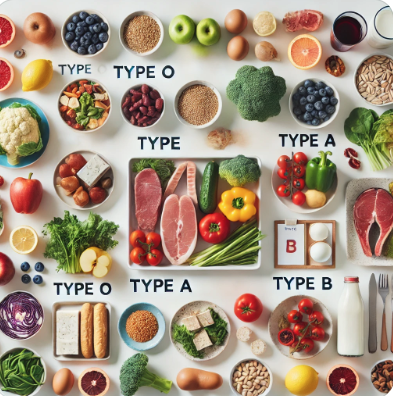
Eating for your blood type is a dietary approach that suggests different foods for each blood type (O, A, B, and AB) to promote optimal health. This concept, popularized by Dr. Peter J. D’Adamo in his book “Eat Right 4 Your Type,” proposes that the best diet for you depends on your blood type. Here’s a summary of recommended diets for Type O, Type A, and Type B.
Type O Diet
Overview: Individuals with Type O blood are believed to thrive on a high-protein diet, similar to what their hunter-gatherer ancestors consumed. This diet focuses on lean meats, fish, vegetables, and fruits, while limiting grains, legumes, and dairy.
Recommended Foods:
- Lean Meats: Beef, lamb, veal, and poultry.
- Fish: Cod, herring, mackerel, and sardines.
- Vegetables: Kale, spinach, broccoli, and onions.
- Fruits: Plums, figs, and berries.
- Nuts and Seeds: Walnuts and pumpkin seeds.
Foods to Avoid:
- Dairy: Milk, cheese, and yogurt.
- Grains: Wheat, corn, and oats.
- Legumes: Beans and lentils.
Type A Diet
Overview: Type A individuals are recommended to follow a vegetarian or plant-based diet. This group is said to have an agrarian ancestry, which means they benefit from eating fresh, organic vegetables, fruits, and whole grains.
Recommended Foods:
- Vegetables: Carrots, broccoli, spinach, and garlic.
- Fruits: Apples, peaches, berries, and citrus fruits.
- Grains: Whole grains like oats, quinoa, and rice.
- Tofu and Soy Products: Tofu, tempeh, and soy milk.
- Nuts and Seeds: Almonds and flaxseeds.
Foods to Avoid:
- Meat: Red meat and processed meats.
- Dairy: Full-fat dairy products.
- Wheat: Whole wheat and wheat-based products.
Type B Diet
Overview: Those with Type B blood are thought to benefit from a balanced diet that includes meat, dairy, grains, legumes, fruits, and vegetables. This group is said to be nomadic and should avoid specific foods that can interfere with their metabolism.
Recommended Foods:
- Meat: Lamb, mutton, rabbit, and venison.
- Dairy: Milk, cheese, and yogurt.
- Vegetables: Green vegetables, sweet potatoes, and carrots.
- Fruits: Bananas, grapes, and pineapples.
- Grains: Oats and rice.
Foods to Avoid:
- Chicken: Chicken and chicken products.
- Corn: Corn and corn-based products.
- Wheat: Wheat and buckwheat.
- Lentils: Lentils and peanuts.
Conclusion
Following a diet based on your blood type is a personalized approach to nutrition that many people find beneficial. By focusing on foods that are considered optimal for your specific blood type, you can potentially improve your overall health and well-being.
The Concept and Origination of “Eat for Your Blood Type”
The concept of “eating for your blood type” was popularized by Dr. Peter J. D’Adamo, a naturopathic physician, through his book “Eat Right 4 Your Type,” published in 1996. Dr. D’Adamo’s theory suggests that an individual’s optimal diet depends on their blood type (O, A, B, or AB). This idea is based on the premise that each blood type has unique evolutionary traits, and eating in accordance with these traits can improve health and prevent diseases.
Key Principles and Origins
- Historical and Evolutionary Background:
- Dr. D’Adamo proposed that different blood types evolved at different times in human history, corresponding to specific dietary needs. For example, Type O is considered the oldest blood type, associated with hunter-gatherer diets high in protein, while Type A is linked to agrarian societies with a diet rich in vegetables and grains.
- Type O: Believed to be the first human blood type, originating over 10,000 years ago when humans were hunter-gatherers. This group is said to thrive on a high-protein diet with lean meats, fish, and vegetables.
- Type A: Emerged around 10,000 years ago with the advent of agriculture. Individuals with this blood type are thought to do well on a vegetarian diet, rich in organic and plant-based foods.
- Type B: Developed around 3,000 to 10,000 years ago, among nomadic tribes. A balanced diet that includes meat, dairy, grains, and vegetables is recommended for this group.
- Type AB: The most recent and rarest blood type, combining the characteristics of both Type A and Type B diets.
- Lectins and Blood Type:
- A significant aspect of D’Adamo’s theory involves lectins, proteins found in foods that can interact with the body’s cells based on blood type. According to D’Adamo, certain lectins can cause adverse reactions in individuals with specific blood types, leading to health issues such as inflammation, digestive problems, and weight gain.
- By avoiding foods with harmful lectins specific to their blood type, individuals can purportedly improve their health and well-being.
- Immune and Digestive Health:
- Dr. D’Adamo also emphasized that different blood types have varying susceptibilities to diseases and conditions. He claimed that eating according to one’s blood type could enhance the immune system and optimize digestive health, reducing the risk of chronic illnesses.
Scientific Reception and Criticism
The blood type diet has garnered both popularity and criticism. While many people report positive results and health improvements, the scientific community largely views the theory as lacking robust evidence. Key points of criticism include:
- Lack of Scientific Validation: Multiple studies have found no significant evidence supporting the blood type diet’s effectiveness in improving health outcomes based solely on blood type.
- General Dietary Principles: Critics argue that the health benefits reported by followers of the blood type diet may result from the general dietary improvements recommended (e.g., eating more vegetables and reducing processed foods) rather than the specific alignment with blood type.
Sources
- Healthline – Blood Type Diet Review
- Mayo Clinic – Blood Type Diets
- PubMed – An Evaluation of the Blood Type Diet
Conclusion
The concept of eating for your blood type offers a personalized approach to nutrition based on historical and evolutionary theories. While it has gained a following, it’s essential to consider the scientific debate and consult healthcare professionals when making significant dietary changes. The core idea is that aligning your diet with your blood type can potentially lead to better health, but further research is needed to substantiate these claims fully.
4o


 Happiness Health and Beauty Secrets