Focusing on the Latest Vitamin Trend or Health Hack Can Kill

the most important vitamins

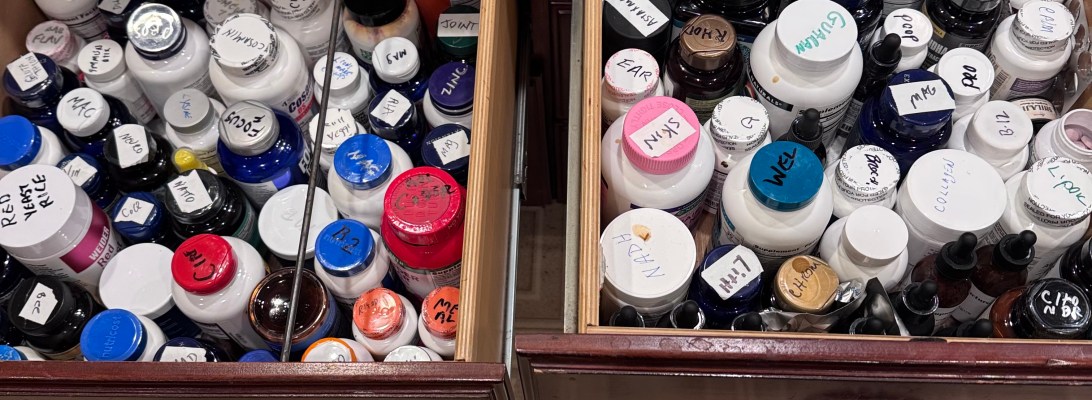
Do your vitamin drawers look like this?

Berberine, CoQ10, NAD, NMN, NAC, alpha-lipoic acid, sulforaphane, fish oils, lithium orotate—and maybe 100 others.

Are you also focused on microplastics, organic everything, toxins, seed oils, cold plunges, saunas… and about 100 other things?

Most of these are great.

That’s not the problem.

The problem is getting distracted by trends and missing the fundamentals. Every day there’s a new nuance in my feed—on every social platform—pulling attention away from the basics that actually keep you alive.

I recently had blood work done. My vitamin D was low—just like roughly half of the U.S. population. During COVID, there were credible estimates suggesting that hundreds of thousands of deaths might have been avoided if widespread vitamin D deficiency had been addressed.

Here’s the real danger: because my drawers are full of advanced supplements, I forgot to take my vitamin D for several days this week. Based on my blood work, my doctor told me I should be taking 10,000 IU per day for a week just to catch up.

I’m not even sure I’ve been consistent with a basic B-complex—something directly tied to memory, nerve health, and cognition.

This is what happens when people chase the newest health hack while neglecting the unglamorous foundations that quietly keep the system running.

Health doesn’t reward novelty. It rewards consistency.

Start with the basics: vitamin D, B vitamins, magnesium, omega-3s.

Only then does optimization make sense.

Ignoring fundamentals while obsessing over trends isn’t harmless.
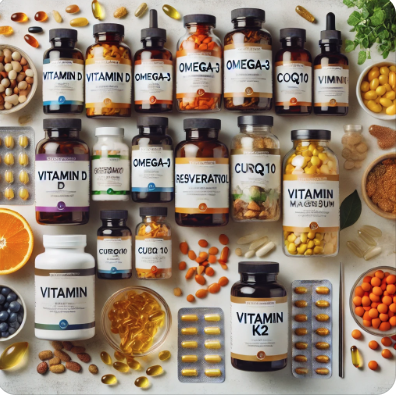
What Supplements Should I Take?

I promised to be the ultimate hack for health, happiness, and beauty. So here is what the top anti-aging scientists take:

Top anti-aging scientists and researchers often take a variety of supplements based on their research and understanding of the aging process. While individual regimens can vary, here are some common supplements that many of these experts incorporate into their daily routines:

Common Supplements Among Anti-Aging Scientists

  1. Vitamin D
    • Purpose: Supports bone health, immune function, and reduces inflammation.
    • Sources: Sun exposure, fortified foods, and supplements.
    • Evidence: Vitamin D deficiency is linked to various age-related diseases .
  2. Omega-3 Fatty Acids
    • Purpose: Supports heart health, reduces inflammation, and improves brain function.
    • Sources: Fish oil, flaxseeds, chia seeds.
    • Evidence: Omega-3s can reduce the risk of chronic diseases like heart disease and dementia .
  3. Resveratrol
    • Purpose: Mimics caloric restriction effects, potentially extending lifespan.
    • Sources: Red wine, grapes, berries, and supplements.
    • Evidence: Resveratrol may improve mitochondrial function and protect against age-related diseases .
  4. Nicotinamide Riboside (NR) / Nicotinamide Mononucleotide (NMN)
    • Purpose: Boosts NAD+ levels, essential for cellular energy and repair.
    • Sources: Supplements.
    • Evidence: Increasing NAD+ levels can enhance metabolic health and potentially extend lifespan .
  5. Curcumin
    • Purpose: Anti-inflammatory and antioxidant properties.
    • Sources: Turmeric spice and supplements.
    • Evidence: Curcumin reduces inflammation and oxidative stress, key drivers of aging .
  6. Coenzyme Q10 (CoQ10)
    • Purpose: Supports mitochondrial function and energy production.
    • Sources: Meat, fish, whole grains, and supplements.
    • Evidence: CoQ10 levels decline with age, and supplementation helps maintain cellular energy and reduce oxidative damage .
  7. Vitamin K2
    • Purpose: Supports bone and cardiovascular health by directing calcium to bones and away from arteries.
    • Sources: Fermented foods, dairy, and supplements.
    • Evidence: Vitamin K2 improves cardiovascular health and bone density .
  8. Magnesium
    • Purpose: Supports muscle and nerve function, bone health, and metabolic processes.
    • Sources: Green leafy vegetables, nuts, seeds, whole grains, and supplements.
    • Evidence: Adequate magnesium intake is crucial for many bodily functions and may help prevent age-related diseases .

Examples of Notable Figures and Their Regimens

  1. David Sinclair (Harvard Medical School)
    • Supplements: NMN, resveratrol, metformin (prescription), and vitamin D.
    • Focus: Increasing NAD+ levels and mimicking caloric restriction .
  2. Peter Attia (Physician, Longevity Specialist)
    • Supplements: Omega-3 fatty acids, vitamin D, magnesium, and others tailored to personal health metrics.
    • Focus: Reducing chronic disease risk and improving metabolic health .
  3. Rhonda Patrick (FoundMyFitness)
    • Supplements: Omega-3 fatty acids, vitamin D, magnesium, probiotics, and sulforaphane.
    • Focus: Comprehensive health optimization through diet and supplementation .

Personal Insights and Bets on Life

Growth Hormone and Testosterone

  • Rationale: At my age, the risk-reward ratio for taking growth hormone and testosterone is highly favorable. These supplements can improve muscle mass, energy levels, and overall vitality, which are crucial for maintaining a high quality of life.
  • Growth Hormone: Known for its anti-aging effects, improving skin elasticity, and increasing energy.
  • Testosterone: Vital for maintaining muscle mass, bone density, and libido.

Viagra

  • Rationale: Using Viagra to improve circulation in my brain and heart is a strategic decision. Better blood flow can enhance cognitive function and cardiovascular health.
  • Benefits: Besides its well-known use, it supports overall circulatory health, which is critical for maintaining organ function and preventing age-related decline.

Conclusion

We all place our bets in life. For me, taking growth hormone, testosterone, and Viagra are calculated risks with significant potential benefits. Combining these with a tailored supplement regimen can help optimize health and longevity.

References

  1. Healthline – Benefits of Vitamin D
  2. Mayo Clinic – Vitamin D
  3. Harvard T.H. Chan School of Public Health – Omega-3 Fatty Acids
  4. National Institutes of Health – Omega-3 Fatty Acids
  5. PubMed – Resveratrol: How Much Wine?
  6. WebMD – Resveratrol
  7. Healthline – Nicotinamide Riboside
  8. NIH – NAD+ Boosters
  9. Healthline – Benefits of Curcumin
  10. PubMed – Curcumin: Inflammation and Aging
  11. NIH – Coenzyme Q10
  12. Healthline – CoQ10 Benefits
  13. WebMD – Vitamin K2
  14. Healthline – Vitamin K2 Benefits
  15. NIH – Magnesium
  16. Healthline – Magnesium Benefits
  17. David Sinclair – Lifespan
  18. Harvard Health Blog – The Power of Resveratrol
  19. Peter Attia – Supplements
  20. FoundMyFitness – Rhonda Patrick

These insights, combined with the personalized approaches taken by leading scientists, illustrate the thoughtful and proactive strategies employed to enhance longevity and quality of life.

4o