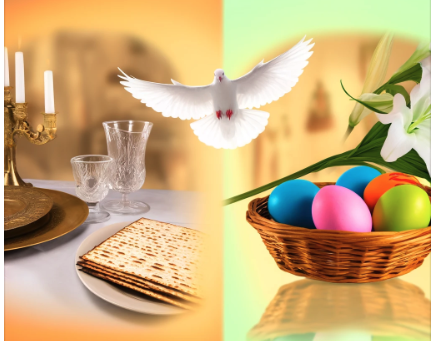
Passover and Easter are both significant religious holidays, but they belong to different faith traditions and have distinct origins, meanings, and customs. Here are some of the key differences and similarities between the two:
Differences:
- Religious Origin: Passover is a Jewish holiday that commemorates the Israelites’ liberation from slavery in ancient Egypt, as described in the biblical book of Exodus. Easter, on the other hand, is a Christian holiday that celebrates the resurrection of Jesus Christ from the dead, as narrated in the New Testament.
- Religious Significance: Passover marks the beginning of the Jewish people’s journey to freedom and the covenant between God and the Israelites. Easter symbolizes the victory of Jesus over sin and death, signifying hope, redemption, and eternal life for Christians.
- Timing: Passover typically occurs in the spring, specifically during the Hebrew month of Nisan, which usually falls between late March and mid-April in the Gregorian calendar. Easter, on the other hand, falls on the first Sunday following the first full moon after the vernal equinox, usually between late March and late April.
- Observance: Passover is observed by Jews through a week-long celebration that includes special meals (seder), the retelling of the Exodus story, and the avoidance of leavened bread (chametz). Easter is observed by Christians through various traditions such as attending church services, Easter egg hunts, and family gatherings.
Similarities:
- Spring Celebration: Both Passover and Easter are celebrated in the springtime, reflecting themes of renewal, rebirth, and new life.
- Shared Symbols: Both holidays incorporate symbols of renewal and life. For example, the egg is a symbol of new life and fertility in both Passover (as part of the seder plate) and Easter (as Easter eggs). Additionally, both holidays involve the consumption of special foods: matzah during Passover and Easter eggs, lamb, and bread during Easter.
- Spiritual Reflection: Both Passover and Easter provide opportunities for spiritual reflection and introspection. They are occasions for believers to contemplate themes such as freedom, redemption, and the power of faith.
- Historical and Cultural Influence: Both Passover and Easter have had significant historical and cultural influence, shaping the traditions, rituals, and beliefs of Jewish and Christian communities throughout history.
While Passover and Easter are distinct holidays with different religious contexts, they also share common themes and symbols that reflect their significance to believers around the world.

 Happiness Health and Beauty Secrets