Why We Shield a Child’s Head but Neglect Their Brain: The Unseen Threat of Digital Overstimulation

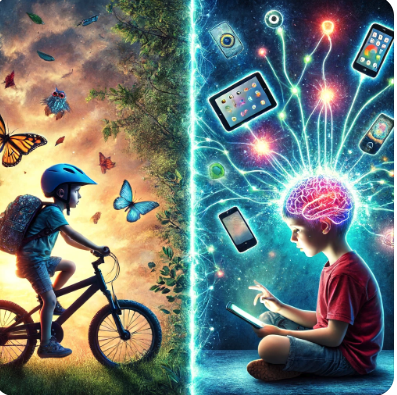
As parents and guardians, we instinctively protect our children from physical harm. We put helmets on them when they ride bikes, use car seats to secure them during travels, and hover over them to prevent falls. Yet, there’s an invisible danger we’re often less vigilant about—one that directly targets their developing brains: the pervasive presence of digital devices.

The Paradox of Protection

In our digitally saturated world, children’s brains are constantly exposed to electronic devices designed to captivate and stimulate them with a flood of immediate rewards. This paradox raises a critical question: why do we rigorously safeguard our children’s physical heads while neglecting the more profound and lasting impacts on their cognitive development from digital overstimulation?

The Hijacking of the Dopamine Reward System

At the core of this issue is the brain’s dopamine reward system. Dopamine, a neurotransmitter, plays a pivotal role in how we experience pleasure and motivation. It’s the brain’s “feel-good” chemical, released during enjoyable activities like eating, playing, or achieving goals. However, the structure and functioning of the dopamine system are particularly susceptible to external influences during childhood.

  1. Short-Term Stimulation:
    • Instant Gratification: Many digital devices and apps are engineered to deliver constant, quick bursts of dopamine. Every notification, like, or level up in a game provides a small, immediate reward, conditioning the brain to expect continuous stimulation.
    • Reduced Attention Span: This relentless barrage of stimuli can train children to seek instant gratification, making it difficult for them to focus on tasks that require sustained attention or to delay gratification for more significant, long-term rewards.
  2. Long-Term Consequences:
    • Altered Brain Development: Children’s brains are exceptionally plastic, meaning they are highly adaptable and continually developing. Persistent exposure to rapid, short-term rewards can alter the brain’s natural reward pathways, potentially leading to conditions like attention deficit disorders, anxiety, and difficulties in self-regulation.
    • Impaired Decision-Making: A brain accustomed to immediate rewards may struggle with decision-making processes that require patience and long-term thinking. This can impact their academic performance, social interactions, and future career prospects.

Digital Devices: Double-Edged Swords

While technology offers educational and entertainment benefits, its potential drawbacks, particularly for young minds, are profound:

  1. Cognitive Overload: Excessive use of digital devices can overwhelm a child’s cognitive capacities. This overload can impair learning, memory, and critical thinking skills.
  2. Emotional Dysregulation: The emotional highs and lows induced by digital interactions can disrupt a child’s ability to manage emotions effectively, leading to increased irritability and mood swings.
  3. Social Isolation: Despite their connectivity, digital devices can foster social isolation. Real-world interactions are essential for developing empathy, communication skills, and strong interpersonal relationships.

The Role of Parents and Guardians

Protecting our children’s brains from digital overstimulation requires a multi-faceted approach:

  1. Setting Boundaries:
    • Screen Time Limits: Establishing clear limits on the amount of time children can spend on digital devices helps mitigate their exposure to overstimulation.
    • Tech-Free Zones and Times: Designating certain areas and times (like during meals or an hour before bedtime) as tech-free encourages other forms of interaction and relaxation.
  2. Encouraging Alternative Activities:
    • Physical Play: Promoting outdoor and physical activities supports overall health and provides natural, balanced stimulation for the brain.
    • Creative Endeavors: Engaging children in creative activities like drawing, reading, or building with blocks fosters sustained attention and imaginative thinking.
  3. Modeling Healthy Behaviors:
    • Demonstrating Balance: Children often mimic the behavior of adults. Showing them how to balance screen time with other activities sets a positive example.
    • Mindful Consumption: Being mindful of how we use digital devices and their content can help us better understand and guide our children’s digital habits.

The Path Forward

In an age where digital devices are ubiquitous, balancing their benefits with their risks is crucial. As we protect our children’s physical well-being, we must also be vigilant in safeguarding their cognitive and emotional development. By recognizing and addressing the impacts of digital overstimulation, we can help nurture resilient, thoughtful, and well-adjusted individuals capable of thriving in the ever-evolving digital landscape.

Conclusion

The unseen impact of digital devices on our children’s brains is an issue that demands our attention and action. Just as we wouldn’t leave their heads unprotected during a fall, we must not leave their minds unguarded against the subtle yet profound effects of digital overstimulation. By fostering healthy digital habits and promoting diverse activities, we can ensure that our children grow up with the capacity to delay gratification, engage deeply with the world around them, and develop into well-rounded individuals ready to navigate the complexities of modern life.
Positive and Negative Thoughts and Implications for our Health and Well being

I am not a neuroscientist. But if you accept the fact that we have between 50,000 and 90,000 thoughts a day and they all have energy. How much energy are you burning and is it enervating or destroying you, or elevating you? I would argue, you know exactly what I mean. You feel awful after entertaining negative thoughts and ideas and are totally excited when you think of positive outcomes and thoughts that make you happy. You dont even have to go to a Tony Robbins seminar and jump up and down. I would argue that you can go. But if you come back home and keep thinking lousy thoughts, well, at the least you are going to feel lousy.

I can not insure the accuracy of the detailed scientific numbers below. But you know when you feel great. And some of us make ourselves sick with our thoughts. You have experienced both excitement and feeling so bad you feel sick. Choose wisely your health and life depend on it. So you dont even have to read any further. Stop the stinking thinking you are at the very least making yourself sick at worst you could be killing yourself or setting yourself up for serious disease. Think ulcers, heart disease etc.

Positive vs. Negative Thoughts and Energy.

  1. Neuroscience of Positive and Negative Thoughts:
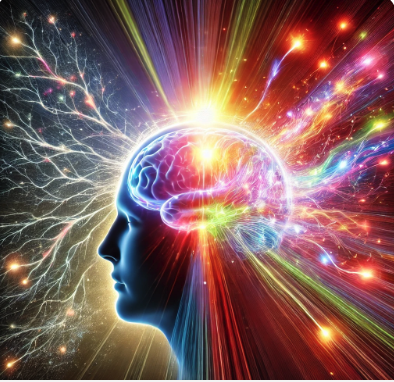
    • Activation Patterns: Positive and negative thoughts activate different regions of the brain. Positive thoughts often involve the prefrontal cortex and reward centers like the nucleus accumbens. Negative thoughts may engage areas associated with stress and emotion regulation, such as the amygdala and the anterior cingulate cortex.
    • Energy Usage: Both types of thoughts require energy for neural activation, but there’s no straightforward way to measure if one consumes more energy than the other. The content and emotional weight of a thought could influence the level of neural activation and, consequently, energy usage.
  2. Psychological Impact:
    • Negative Energy and Enervation: Persistent negative thoughts are linked to stress and anxiety, which can lead to increased cortisol production and prolonged activation of the stress response. This not only consumes energy but also can lead to fatigue and a feeling of being drained.
    • Positive Energy and Elevation: Positive thoughts are associated with the release of neurotransmitters like dopamine and serotonin, which enhance mood and can create a sense of vitality and energy.

The Broader Impact on Well-being

  1. Mental and Physical Health:
    • Chronic Stress: Sustained negative thinking and stress can weaken the immune system, contribute to chronic diseases, and diminish overall health. This process consumes a significant amount of energy and can leave individuals feeling depleted.
    • Positive Mindset: Positive thinking has been shown to improve mental health, reduce stress, and enhance overall well-being. This state of mind can lead to better health outcomes and a more efficient use of energy.
  2. Energy Dynamics:
    • Cognitive Load: Negative thoughts often involve rumination and high cognitive load, which can be mentally exhausting. In contrast, positive thoughts and a positive mindset might be less taxing and even invigorating.
    • Emotional Impact: Emotions associated with positive thoughts, such as joy and excitement, tend to energize us, while emotions linked to negative thoughts, like fear and sadness, can drain our energy.

Practical Implications

  1. Mindfulness and Thought Management:
    • Awareness: Being aware of the nature of our thoughts and their impact on our energy and well-being is crucial. Practices like mindfulness and cognitive-behavioral techniques can help shift the balance towards more positive thinking.
    • Energy Optimization: By fostering a positive mental attitude and managing stress effectively, we can potentially optimize our brain’s energy use and enhance our overall vitality.
  2. Lifestyle Adjustments:
    • Healthy Habits: Engaging in activities that promote positive thinking, such as regular exercise, social connections, and hobbies, can boost energy levels and counteract the effects of negative thoughts.
    • Stress Reduction: Techniques like meditation, deep breathing, and adequate sleep are essential in managing negative thought patterns and conserving energy.

Conclusion

While we cannot precisely quantify the energy of individual thoughts or differentiate the energy consumption between positive and negative thoughts directly, the overall patterns of brain activity and their impacts on well-being provide valuable insights. Positive thoughts and emotions tend to energize us, while negative ones can deplete our resources. Understanding and managing our thought processes can thus have significa

The Energy of a Thought: A Conceptual Overview

  1. Neuroscience Perspective:
    • Neural Activity: Thoughts are generated by the firing of neurons in the brain. Each neural impulse involves the movement of ions (charged particles) across the neuron’s membrane, creating tiny electric currents. The brain’s overall electrical activity can be measured using electroencephalography (EEG), which detects electrical signals from groups of neurons.
    • Metabolic Energy: Neuronal activity requires energy, primarily supplied by glucose and oxygen. Functional MRI (fMRI) scans can measure changes in blood flow to different brain areas, indicating which regions are more active during specific thoughts or tasks.
    • Energy Consumption: The brain consumes about 20% of the body’s energy, even though it only accounts for about 2% of body weight. During intense cognitive tasks, the energy consumption in specific brain areas increases. However, this increase is still relatively small compared to the brain’s overall energy use.
  2. Quantifying Thought Energy:
    • Electrical Energy: The electrical energy generated by neuronal activity is minuscule. Individual neurons generate tiny voltages (about 70 millivolts). When many neurons fire synchronously, the cumulative electrical activity can be detected as brain waves, but the actual energy in these electrical signals is extremely low.
    • Biochemical Energy: The energy used by the brain’s metabolic processes can be quantified in terms of ATP (adenosine triphosphate), the primary energy currency in cells. However, translating this into the “energy of a thought” is complex because thoughts involve dynamic and distributed neural processes.
  3. Quantum Perspective:
    • Quantum Brain Hypothesis: Some theoretical physicists propose that quantum processes could be involved in neural activity. If true, thoughts could be linked to quantum phenomena like wavefunction collapse. This is highly speculative and not widely accepted in mainstream neuroscience.
    • Quantum Energy: If quantum effects are involved in thought processes, measuring the energy would require understanding how quantum states interact at the neuronal level, which is currently beyond our technological capabilities.

Measuring Thought Energy: Current Tools

  1. EEG (Electroencephalography): Measures the electrical activity of the brain through electrodes placed on the scalp. It can provide insights into the brain’s electrical patterns during different cognitive states but doesn’t quantify energy in the conventional sense.
  2. fMRI (Functional Magnetic Resonance Imaging): Measures changes in blood flow, indirectly indicating brain activity. This technique shows which areas are consuming more energy but doesn’t directly measure the energy of thoughts.
  3. PET (Positron Emission Tomography): Uses radioactive tracers to measure metabolic processes in the brain, offering a view of how glucose and oxygen are consumed during cognitive activities.

Theoretical and Philosophical Considerations

  1. Information Theory: Some theorists suggest that information itself carries energy. In this view, thoughts as units of information could be said to possess energy, though quantifying this remains more philosophical than scientific at present.
  2. Mind-Body Connection: The energy of a thought might be better understood in terms of its effects on the body. For example, stress (a mental state) can lead to physical changes that consume significant energy, linking cognitive and physiological energy more tangibly.

Summary

While we can measure the brain’s electrical and metabolic activity and understand that these are linked to thoughts, the exact energy of a specific thought is challenging to quantify with current scientific methods. Most of our understanding comes from indirect measurements and theoretical models. The idea of measuring the energy of a thought remains an intriguing and evolving area of study.

If we have 50 to 90,000 thoughts a day, how much energy is that? and how much negative vs positive energy depending on the thoughts and which direction they are in . And does negative thought energy enervate us and postive energy elevate us?

The idea that thoughts have different energy levels depending on their nature (positive or negative) is a compelling blend of neuroscience, psychology, and metaphysics. Let’s explore this in detail.

Estimating the Energy Consumption of Daily Thoughts

  1. Energy Use by the Brain:
    • Baseline Energy Consumption: The human brain uses about 20% of the body’s total energy, which translates to approximately 300-500 calories per day for an average adult.
    • Energy per Thought: Given that the brain is constantly active, estimating the energy used specifically for each thought is complex. However, we can make a rough estimate by dividing the total daily energy consumption by the number of thoughts.
  2. Calculating Energy Per Thought:
    • If we assume 50,000 to 90,000 thoughts per day, and the brain consumes 500 calories daily:
      • 500 calories per day is roughly 2,090,000 joules (since 1 calorie = 4.18 joules).
      • Dividing this by 50,000 thoughts:
        • 2,090,000 joules / 50,000 thoughts ≈ 41.8 joules per thought.
      • Dividing this by 90,000 thoughts:
        • 2,090,000 joules / 90,000 thoughts ≈ 23.2 joules per thought.
    These are very approximate values because not all brain activity is tied directly to discrete, conscious thoughts.

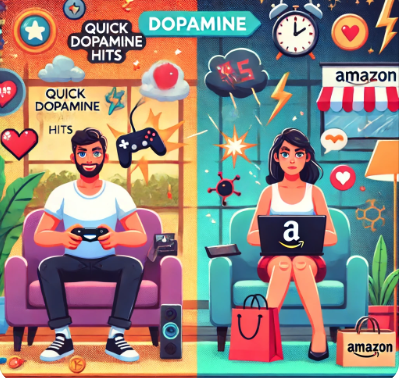
Amazon or Video Games? Depends are you a Man or a Woman

Men and women do have differences in how their brains respond to dopamine, which can influence behavior and the prevalence of certain disorders.

Dopamine Receptors and Gender Differences

  1. Dopamine Receptor Density: Studies have shown that men and women have differences in dopamine receptor density. Men generally have higher levels of dopamine D2 receptors in certain brain areas compared to women. These receptors are involved in the modulation of reward, motivation, and pleasure.
  2. Dopamine Transporter Density: The dopamine transporter (DAT) is responsible for the reuptake of dopamine from the synaptic cleft. Research indicates that women tend to have higher levels of dopamine transporters, especially in the striatum, which is a part of the brain involved in movement and reward processing. This higher DAT density could mean that dopamine is cleared from the synaptic cleft more quickly in women than in men, possibly affecting the duration and intensity of dopamine signaling.
  3. Hormonal Influence: Estrogen and testosterone can influence dopamine pathways. Estrogen has been shown to increase dopamine receptor density and dopamine release in some areas of the brain. This hormonal modulation might explain some of the sex differences in response to dopaminergic drugs and susceptibility to certain psychiatric conditions, like depression, which is more prevalent in women, and attention deficit hyperactivity disorder (ADHD), which is more common in men.
  4. Functional Brain Differences: Functional MRI studies have revealed that men and women might activate different brain regions in response to dopaminergic stimulation. For example, women may show more activity in the limbic regions (associated with emotional processing) while men might show more activity in cortical areas (associated with cognitive processing) in response to dopamine.

Behavioral Implications

  • Addiction: Differences in dopamine receptor and transporter densities may contribute to gender variations in addiction. Men are more likely to engage in riskier behaviors and substance abuse, potentially due to a higher baseline of dopamine receptor density which might modulate reward sensitivity differently compared to women.
  • Mental Health: The distinct dopaminergic responses between genders might also explain why women are more prone to mood disorders like depression and anxiety, while men are more susceptible to disorders such as ADHD and schizophrenia.

Summary

While men and women do not have entirely different types of dopamine receptors, the density, distribution, and regulation of these receptors vary between genders. These differences, influenced by genetic and hormonal factors, play a role in the distinct ways men and women experience reward, motivation, and susceptibility to certain psychiatric conditions.

Sources:

These differences underscore the importance of considering gender when studying brain function and developing treatments for neurological and psychiatric disorders.

Gender Differences and Shopping Preferences

  1. Men and Video Games:
    • Immediate Rewards: Video games are designed to provide continuous and rapid feedback. Each win, level-up, or achievement triggers a release of dopamine, catering to a desire for immediate gratification. Men, often having higher baseline dopamine receptor density, may find these immediate rewards particularly satisfying.
    • Competitive Element: Many games involve competition and quick decision-making, which might align more closely with traditionally masculine roles of hunting and competition, providing a dopamine rush that reinforces these behaviors.
  2. Women and Shopping:
    • Anticipation and Choice: While traditional shopping can involve social interactions and extended gratification, platforms like Amazon still appeal to the anticipation aspect. The delayed gratification of waiting for a product can be stimulating and rewarding, extending the dopamine response over a longer period.
    • Variety Seeking: Women might enjoy the process of browsing through a vast array of products, which can be stimulating and engaging as they explore different options and anticipate future satisfaction from their choices.

Modern Technology and Dopamine Triggers

Modern technology, including platforms like Amazon, leverages our brain’s dopamine pathways to keep us engaged. Here’s how:

  1. Frequent and Varied Rewards:
    • Algorithms and Suggestions: Personalized recommendations keep shoppers engaged by constantly presenting new items that might trigger interest and a dopamine response. This endless variety can lead to prolonged engagement as users seek the next rewarding find.
  2. Ease of Repetition:
    • One-Click Purchases: The simplicity of making purchases with a single click can encourage more frequent buying, each instance providing a quick dopamine hit. This ease of action supports the habit-forming potential of online shopping.

Conclusion

While shopping on Amazon may not be a social activity, it leverages the same dopamine pathways that make other behaviors rewarding. The mix of immediate purchase gratification and the anticipation of delivery combines to create a powerful engagement loop. This understanding helps explain why activities like online shopping and video gaming can be so compelling, despite differences in social and immediate reward structures.

Sources

  1. Psychology of Shopping
  2. How Dopamine Drives Our Addiction to Technology
  3. Gender Differences in Dopamine Functioning
  4. The Science Behind Why We Love Amazon

PS I am going to make a video game where women get to shoot their husbands. Perhaps that is a video game women will embrace.

Humans: Nature’s Addicts

It’s a funny but profound truth: humans are, in essence, drug addicts. But not in the way you might first imagine. Our brains are wired to seek out experiences that release pleasure-inducing chemicals. These “drugs” are the neurotransmitters and hormones like endorphins, oxytocin, dopamine, and serotonin. Let’s take a closer look at how these natural highs influence our behavior and choices, and the myriad ways we chase them.

Choosing Your “Drugs”

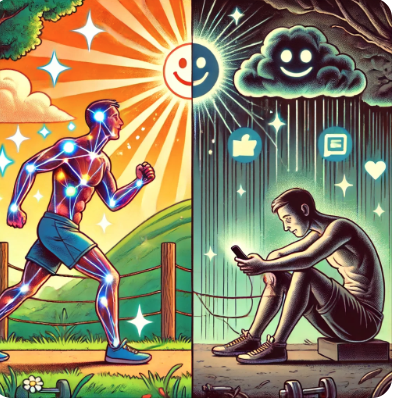
1. Exercise and Endorphins: When you exercise, your brain releases endorphins, often referred to as the body’s natural painkillers. This chemical surge can give you a euphoric feeling, known as the “runner’s high.” It’s a healthier way to get your fix, boosting mood, reducing stress, and enhancing overall well-being.

2. Sweets and Sugar Rushes: Eating sweets can trigger a rapid release of dopamine, the brain’s reward chemical, making you feel good and crave more. This is why it’s so hard to resist that piece of chocolate or that scoop of ice cream—our brains are wired to love sugar.

3. Alcohol and Relaxation: Alcohol consumption increases the release of dopamine, giving you a temporary feeling of euphoria and relaxation. However, it’s a double-edged sword, as overindulgence can lead to dependence and a myriad of health issues.

4. Physical Touch and Oxytocin: Cuddling with your pet, hugging a loved one, or even holding hands can release oxytocin, known as the “love hormone.” This not only feels good but also strengthens social bonds and reduces stress.

5. Avoidance and Stress Reduction: Sometimes, not making a decision or avoiding a task can be a way to sidestep the fear and anxiety that come with certain activities. This avoidance can temporarily shield us from the flood of stress-related chemicals like cortisol.

6. Politics and Adrenaline: Getting riled up about politics or other contentious topics can flood your brain with adrenaline, making you feel alive and engaged. This explains why people can become so passionately involved in debates or political discussions, often thriving on the emotional intensity.

7. Social Media and Dopamine: Social media is designed to keep us hooked. Every like, comment, or share triggers a release of dopamine, reinforcing our desire to keep scrolling and engaging. This constant hit of pleasure is why so many find themselves addicted to their screens.

8. Healthy Social Interactions: Interacting with others can release a cocktail of beneficial chemicals—oxytocin, dopamine, serotonin, and endorphins. These interactions boost our mood, enhance social bonds, and contribute to our overall health and well-being.

Why Social Media is So Addictive

Social media is like a digital playground for our brain’s reward system. It offers instant gratification and constant feedback, making it a potent source of dopamine hits without the need to leave the house. This explains why scrolling through feeds can be so hard to put down—it’s a quick, easy, and effective way to feel good.

Balancing Your Brain’s Needs

Understanding that we are all seeking these chemical rewards can help us make more conscious choices about how we get them. Opting for healthier activities like exercise, social interactions, and hobbies can provide the same pleasurable effects as more harmful behaviors but with lasting benefits for our well-being.

So, next time you reach for that piece of chocolate, decide to binge-watch a series, or opt to hit the gym, remember—you’re just trying to get your next fix. Make sure it’s one that truly enhances your life.

Conclusion: The Dual Nature of Our Urges

Humans are hardwired to seek out chemical rewards from various activities, a trait that has ensured our survival through evolution. These chemical urges—whether it’s the endorphin rush from exercise or the dopamine hit from social media—are essential for motivating us to eat, drink, and connect with others. Without these built-in triggers, we might neglect basic survival needs, much like how some older adults lose their thirst mechanism and risk dehydration.

However, in today’s world, these same survival mechanisms can also lead to our downfall. The abundance of unhealthy foods, coupled with technologies designed to exploit our urge for instant gratification, can steer us towards detrimental habits.

Understanding this dual nature is crucial. While these urges help us thrive, they can also be manipulated, pushing us to make choices that ultimately harm our health and well-being. By becoming aware of these impulses and how they influence our behavior, we can make more conscious decisions, opting for activities that provide lasting benefits over fleeting pleasures.

It’s a delicate balance, but by choosing healthier ways to satisfy our urges—like exercising, engaging in meaningful social interactions, or pursuing hobbies—we can harness our natural instincts to live more fulfilling and healthier lives.

Who is Running Your Brain?

Have you ever paused to consider who’s really in control of your actions and decisions? Is it the thoughtful, goal-oriented part of you or something more primal? The truth is, our brains are complex and often influenced by different aspects of our evolutionary past. To gain control, we need to understand these influences and how they impact our everyday lives.

Evolutionary Hangovers

You weren’t the first human to walk this earth. Our ancestors have been evolving for millions of years, adapting to their environments long before modern civilization appeared. Even if we just go back 10,000 years, our ancestors lived without the refined sugars and digital distractions that dominate our lives today. Despite these changes, our brains still carry the wiring of those ancient times—a relic from our caveman days.

So, why are we letting our “caveman” instincts run our modern lives?

Understanding the Monkey Brain

We often joke about having a “monkey brain,” but there’s truth to it. The term refers to the parts of our brain that are driven by instant gratification and impulsive behaviors. This primitive aspect can drive us to overeat, procrastinate, or seek constant entertainment, even when we have more pressing goals and responsibilities.

Recognizing the Real You

You are not just your primal instincts. You have dreams, ambitions, and the ability to think and plan for the future. Yet, we frequently let our caveman brain take over. This brain urges us to seek comfort in snacks, avoid difficult tasks, and indulge in distractions. But recognizing that this caveman is not the real you is the first step toward change.

The Reality of Modern Hunger

Consider this: when was the last time you were truly hungry? In today’s world, about 80% of people are overweight or obese, while only around 12% are hungry. If you’re reading this, chances are you fall into the 80% who have access to more food than they need. Understanding this context can help us see how our caveman brain’s drive for food is often out of sync with our actual needs.

Awareness as a Tool for Change

Simply acknowledging that your primitive brain is often in control can be enough to initiate change. When I quit smoking, a technique that helped me was writing down my feelings before reaching for a cigarette. This small act of awareness reduced my urges significantly. It’s the same with other habits like snacking. By asking myself what I’m avoiding when I reach for a snack, I gain insight into my impulses.

Simple Strategies to Outsmart Your Primitive Brain

  • Physical Barriers: Placing snacks in a less accessible place, like a high shelf or a different room, can help reduce impulsive eating.
  • The Five-Minute Rule: Most urges, whether for sweets, alcohol, or even anger, don’t last more than five minutes. Commit to waiting it out, and you might find the urge passes.
  • Healthy Alternatives: Stock your house with healthier options like nuts and fruit instead of cookies and ice cream.

Harnessing Your Inner Rebel

Human beings have a natural tendency to resist being told what to do. Think about the times you did the opposite of what your parents or partner suggested, just out of rebellion. Use this instinct to your advantage. Don’t let a caveman or a monkey boss you around. Rebel against these primitive impulses and take control.

Focus on What Really Matters

Remember, you don’t need to check social media, play video games, or watch TV. These are distractions that your primitive brain craves for instant gratification. Instead, focus on what you truly need to do:

  • Finish that report for work or school.
  • Take care of your finances.
  • Pursue that next big client.
  • Improve your health and fitness.

Take Control Back

It’s time to stop letting the caveman and monkey run your life. You have the power to make conscious choices that align with your long-term goals and values. Start by becoming aware of your urges, challenge them, and take small steps towards a more controlled and fulfilling life.

Life is Just a Big Piece of Cheese: Navigating the Dopamine Maze

Have you ever felt like life is just a big piece of cheese, and we’re the rats in the maze, constantly chasing after it? This analogy might seem whimsical, but it cuts to the core of our modern existence. Our lives are driven by a series of “healthy urges” that motivate us to seek pleasure and avoid pain. Without these urges, we’d lose the impetus to survive and thrive. Yet, here we are, in a society where 60% of the population is obese. What happened to those natural survival instincts?

The Distinction: Eating to Live vs. Living to Eat

One fundamental issue is the shift from eating to live to living to eat. This distinction is more than just a catchy phrase; it’s a lifestyle choice with profound implications. Eating to live means nourishing our bodies with what they need to function optimally. In contrast, living to eat is about finding comfort, joy, and escape in food, often at the expense of our health.

This concept extends beyond food. Think about how we spend our time and what we allow to control our lives. Endless scrolling through social media feeds, marathon gaming sessions, and other habits can hijack our minds. Why do we do it? It all boils down to dopamine, the chemical in our brain that rewards us for engaging in pleasurable activities.

The Dopamine Dilemma

Dopamine is a powerful motivator, and in many ways, it’s like having an internal “drug dealer” constantly pushing us toward the next hit. Whether it’s Facebook, TikTok, Instagram, or even seemingly wholesome activities like going to the gym or practicing yoga, these are all potential sources of dopamine.

I’m not here to diminish the value of these pursuits. In fact, they can all be part of a balanced, fulfilling life if managed properly. The problem arises when we become so addicted to the dopamine rush that we lose control. It’s easy to become a rat pressing a bar in a cage, seeking the next pleasure hit without considering the long-term consequences.

Recognizing Your Drug Dealer

So, who or what is your dopamine provider? Is it social media, the gym, yoga, your job, or even religious practices? Each of us has our unique sources of pleasure and fulfillment. The key is to ensure that these sources contribute positively to our overall well-being rather than controlling us.

Consider this: a life spent watching endless streams of Netflix, eating junk food, and engaging in other passive activities can lead to dissatisfaction and health problems. On the other hand, finding joy and purpose in activities that build you up—like nurturing relationships, pursuing passions, and engaging in community—can lead to a more fulfilling and meaningful existence.

The Evolutionary Perspective: Beyond Survival Instincts

Our brains are wired to seek pleasure and avoid pain as a means of survival. In evolutionary terms, this meant finding food, shelter, and mates to ensure the continuation of the species. Chemicals like dopamine, oxytocin, and norepinephrine play crucial roles in this process. For example, the release of oxytocin after sex not only promotes bonding but also ensures that we continue to engage in activities necessary for reproduction and survival.

However, when these systems evolved, there wasn’t internet pornography, social media, or fast food. These modern dopamine triggers can hijack our ancient pleasure pathways, leading to overindulgence and addiction. The internet provides an endless stream of instant gratification that our ancestors never had to deal with. As a result, our natural survival mechanisms are often at odds with the realities of modern life.

Choosing a Purposeful Life

The goal isn’t to eliminate pleasure or dopamine from our lives but to manage and direct it in ways that enhance our well-being. Imagine a life where you derive pleasure from activities that build you up and align with your values. Whether it’s through family, meaningful work, creative pursuits, or community involvement, these are the paths to a truly happy life.

In essence, life is a series of choices about where we get our dopamine and how we let it influence us. We can either be the rats chasing the cheese mindlessly or the individuals who understand the maze and navigate it with purpose and intention.

Conclusion

Life’s not about eliminating the cheese but choosing the kind that nourishes us. Reflect on what provides your dopamine and ensure it aligns with a purposeful, fulfilling life. It’s about finding balance and making choices that lead to long-term happiness and well-being.

So, are you going to be controlled by your dopamine sources, or will you take charge and live a life of intentional pursuit and fulfillment? The choice is yours.

Exploiting Our Monkey Brains: The Social Media and TV Dilemma

We are all monkeys at heart, driven by primal instincts and the pursuit of immediate gratification. Social media and television have mastered the art of exploiting these tendencies, tapping into our monkey brains with precision. Whether it’s social media’s magical 30 or 60-second dopamine hits or cable television’s emotional roller coasters, these mediums know exactly how to hijack our brains and keep us hooked.

The Dopamine Traps of Social Media and TV

Social Media: Quick Fixes and Endless Scrolls

Social media platforms like Facebook, Instagram, Twitter, and TikTok are designed to keep you engaged for as long as possible. They serve up bite-sized content that provides quick dopamine hits, making it easy to consume one post after another without realizing how much time has passed. Each like, comment, or new post delivers a tiny burst of pleasure, encouraging you to keep scrolling. This design isn’t by accident; it’s a calculated effort to capture your attention and keep you coming back for more.

The personalization algorithms on these platforms ensure you see content tailored to your interests, reinforcing your habits and preferences. Every click is tracked and analyzed to deliver more of what you enjoy, making it increasingly difficult to break the cycle. You’re not just browsing; you’re feeding a well-crafted addiction designed to exploit your brain’s reward system.

Cable Television: Emotional Manipulation

Cable TV operates on a similar principle but plays more with your emotions. News channels, for instance, know exactly how to elicit strong emotional responses, whether it’s outrage, fear, or joy. By constantly triggering your emotions, they keep you glued to the screen. The more you watch, the more dopamine flows, reinforcing the habit.

Moreover, news channels polarize their content to align with your existing beliefs. Whether you lean towards CNN or FOX, these channels create echo chambers that validate your perspectives and keep your emotions running high. This emotional engagement ensures you return for more, making you a loyal viewer who contributes to their massive viewership numbers.

The Illusion of Choice

You might think you’re in control, especially if you get your news from social media instead of traditional TV. However, the reality is even more insidious. Social media platforms have a far deeper understanding of your behavior. Every action you take online—every click, like, and view—is tracked and analyzed. This data allows these platforms to serve up content that is precisely tailored to your preferences, reinforcing your habits and keeping you engaged.

Unlike TV, which only knows what channel you’re watching, social media platforms know exactly what you interact with and how long you engage with it. This level of detail creates an illusion of choice. You might feel you’re selecting what you see, but in reality, the platforms are curating your experience to maximize engagement.

Cable News Channels: The Perfect Emotional Trap

Cable news channels have mastered the art of emotional manipulation. They craft their content to elicit strong reactions—whether it’s anger, fear, or excitement. Channels like CNN and FOX are designed to polarize viewers, creating a sense of identity and loyalty to their chosen narrative. This polarization isn’t just about presenting the news; it’s about keeping you emotionally invested.

You might believe you’re choosing to watch a particular channel because it aligns with your views. In reality, these channels have chosen you. They know how to trigger your emotions and keep you engaged. The more you watch, the more your monkey brain is flooded with dopamine, adrenaline, or even nor-epinephrine, reinforcing the habit of tuning in.

The Internet: The Ultimate Monkey Brain Playground

Once you enter the realm of the internet, you step into the ultimate playground for your monkey brain. Every click, scroll, and interaction is meticulously tracked. This data allows platforms to predict and influence your behavior with astonishing accuracy.

On social media, for example, you’re not just passively consuming content. Platforms like Facebook, Instagram, and TikTok know what you like, share, and comment on, and they use this information to serve up more of the same. This creates a feedback loop that keeps you engaged and coming back for more. You’re essentially a monkey in chains, with the chains being the endless cycle of dopamine hits provided by these platforms.

A Modern Opium Den

Engaging with social media and cable news can be likened to frequenting an opium den. You trade your time and attention for moments of fleeting pleasure. The exchange is starkly one-sided: you get temporary satisfaction, while they reap significant financial rewards.

At least in an opium den, the transaction is honest. You know you’re there for the pleasure, and there’s no pretense of engagement or productivity. But with social media and television, the lines are blurred. You’re led to believe you’re staying informed or connected, but in reality, you’re just a monkey chained to a perpetual cycle of dopamine-driven distractions.

Breaking Free from the Chains

Recognizing the ways in which our monkey brains are exploited is the first step towards breaking free. Here are some strategies to reclaim control:

  1. Be Mindful of Your Consumption: Pay attention to how much time you spend on social media and watching TV. Set limits to ensure these activities don’t dominate your day.
  2. Curate Your Content: Choose to follow and engage with content that adds value to your life rather than merely providing quick dopamine hits. Be selective about the news sources and social media accounts you interact with.
  3. Take Regular Breaks: Step away from screens regularly to reset your mind and break the cycle of constant engagement. Engage in activities that are less reliant on instant gratification, such as reading a book, going for a walk, or practicing mindfulness.
  4. Focus on Real Connections: Spend time with friends and family in person. Face-to-face interactions are more fulfilling and less prone to the shallow, dopamine-driven exchanges found on social media.
  5. Reflect on Your Choices: Take time to reflect on how you spend your time and the motivations behind your actions. Are you choosing your activities, or are they being chosen for you by your monkey brain?

Conclusion

Social media platforms like Facebook, Instagram, Twitter, and TikTok, along with television, have mastered the art of exploiting our monkey brains, keeping us hooked with a constant stream of dopamine hits. Whether it’s the quick fixes provided by social media or the emotionally charged content from cable news, these platforms know how to keep you engaged and coming back for more.

By recognizing the tactics they use and making conscious choices about how we spend our time, we can break free from the chains of these distractions. It’s about reclaiming control and ensuring that our actions align with our true intentions rather than being driven by our monkey brains.

Are You Choosing Your Day or Is Your Monkey Brain in Control?

We all have those days. You start with good intentions, maybe even drink a nootropic beverage to boost your focus. But without a clear plan in mind, you find yourself drifting towards the TV, small cleaning chores, playing video games, or scrolling through social media for hours. What happened? Your monkey brain, driven by dopamine cues and habits, took over.

The Monkey Brain and Dopamine

The monkey brain is a term often used to describe the part of our mind that seeks immediate gratification and jumps from one distraction to another. It’s heavily influenced by dopamine, the neurotransmitter responsible for pleasure and reward. When we engage in activities that are enjoyable or provide a quick hit of satisfaction, dopamine is released, reinforcing those behaviors and making us more likely to repeat them.

This is why, without a clear plan or focus, we tend to drift towards activities that are easy and instantly gratifying. Watching TV, tidying up, playing video games, or endlessly scrolling through social media are common go-to’s because they require minimal effort and provide quick dopamine rewards.

The Importance of Visualizing Your Day

To counteract the influence of the monkey brain, it’s crucial to visualize and plan your day. When you have a clear idea of what you want to accomplish, you set a direction for your energy and focus. Here’s how visualizing your day can help:

  1. Provides Structure: A visualized plan gives your day a structure, making it easier to stay on track and avoid distractions.
  2. Boosts Productivity: With a clear outline of tasks, you’re more likely to dive into meaningful work rather than defaulting to easy, habitual activities.
  3. Reduces Stress: Knowing what to expect can reduce the anxiety that comes with uncertainty, helping you to feel more in control.
  4. Increases Satisfaction: Accomplishing planned tasks provides a sense of achievement and boosts your overall satisfaction with the day.

The Drift Towards Dopamine

Even with good habits, such as daily running or regular exercise, it’s easy to fall into the dopamine trap when there’s no specific plan. For 20 years, I’ve been saying I need to find a replacement for running. Yet, without a structured goal or a clear vision of what that replacement should look like, I often find myself drifting back to less productive activities.

This isn’t unique to me. Many people mindlessly engage in activities like cleaning, arranging, or organizing when they don’t have a clear plan. Or, they might find themselves endlessly scrolling through social media feeds, seeking the instant gratification of likes, comments, and new posts. While these tasks can be satisfying and provide a quick sense of accomplishment, they often serve as distractions from more meaningful work.

Are You Choosing, or Is Your Monkey Brain Choosing?

The key question is: Are you actively choosing how to spend your day, or is your monkey brain making the choices for you? The monkey brain will always gravitate towards whatever is easy and immediately rewarding. This could be something as simple as arranging your makeup, cleaning out a closet, or scrolling through social media. These tasks, while seemingly productive, are often ways to avoid more challenging or important work.

Strategies to Take Control of Your Day

  1. Start with Visualization: Spend a few minutes each morning visualizing your day. Outline your key tasks and goals. Imagine yourself completing them successfully. This sets a mental map and prepares you to follow through.
  2. Set Clear Intentions: Write down your top priorities for the day. Keep this list visible to remind yourself of your goals and keep your monkey brain in check.
  3. Break Tasks into Small Steps: Large tasks can feel overwhelming, leading to procrastination. Break them down into smaller, manageable steps to make them less daunting.
  4. Use Time Blocks: Allocate specific time blocks for different activities. This can help you stay focused on one task at a time and reduce the temptation to drift.
  5. Limit Dopamine-Inducing Distractions: Be aware of the activities that provide quick dopamine hits, like social media, and limit them. For example, set a timer for breaks to prevent them from turning into long TV sessions or social media marathons.
  6. Reflect and Adjust: At the end of the day, reflect on what went well and where you drifted. Adjust your strategies accordingly for the next day.
  7. Establish Routines: Routines provide a framework that can keep you on track, especially when your willpower is low. Incorporate healthy habits into your daily schedule to build a foundation of productive behavior.

Conclusion

Our monkey brains are powerful and will always seek the path of least resistance and the highest dopamine reward. Without a clear plan, we’re likely to drift into easy and habitual activities, losing sight of our more meaningful goals. Social media, in particular, can be a significant distraction, pulling us away from productive tasks with its constant flow of dopamine hits.

By visualizing your day, setting clear intentions, and creating structured routines, you can take control and make conscious choices about how to spend your time. Remember, it’s about actively choosing your actions rather than letting your monkey brain dictate them. With intention and focus, you can navigate your day with purpose and productivity.

You Know! Even if no one else agrees with you.

I bet you can even tell me stories when you knew something. No one else agreed with you. You went along to get along or assumed the majority was right. Yet you later found out you were right all along.

“Trusting ourselves is one of the most important things that we do.” said my dear friend David Ellzey. I was relating my experience with an extremely famous, website designing company that messed up my new website. I lost 90% of my traffic. I can spend an hour telling you all of their mistakes. They violated every rule and I am still losing a fortune, and they are not even moving to rectify the situation.

Yet they have almost 100, 5-star reviews, and everyone loves them. And people have dealt with them for years. My friend David Ellzey, (by the way fantastic coach Sedona Method), said let’s look at Mercedes as an example.

What if you had a bad salesman, a bad mechanic, the one lemon they had at that dealership? The possibilities are endless where in the chain of events you just got a lemon. Funny as I searched for an image, there were all too many ones of Mercedes and a lemon. Maybe “lemons” are more common than we think.

It doesn’t matter why my experience was awful. No one at that company cares and is fixing things. I had a few meetings where they were defensive. There are times in your life when you just “know” and you are right, and you have to do what you know is right. To me, it’s pretty clear that the company is simply too big. But you can’t change a company or a person. Well actually all of the time, not sometimes. You just can’t change things outside of you. Where have we heard that before?

God, grant me the serenity to accept the things I cannot change, courage to change the things I can, and wisdom to know the difference.” For whatever reason, they are not going to change. It has been months. Time to go. You know when you know, regardless of other people’s experiences. Trust your judgment. Of course study as much as possible. By the way, the number of things YOU CAN change is monumental. Heck, I don’t even need a website. Everyone I have spoken to understands our experience and integrity. When I ask them if they liked the website, they say “Never been there, I like and trusted you” LOL. Go figure.

So what am I trying to say, Trust yourself, trust your judgment, trust your intuition, if it’s calm and certain. There is a nervous excitement that should not be confused with certainty and intuition. That is when your friend calls you and gives you the greatest stock tip ever, if you just pony up $10,000 today, before 4 pm, and you get all nervous and excited. That is not intuition. Intuition is when you are as certain as the earth under your feet, you are doing the right thing and you will make it work. And ignore the experiences of others. Because sometimes you do get a lemon. It’s bitter. It’s obvious and you know it’s a lemon.

Because when you know you’re right, and follow what you know, no matter what happens, you were true to yourself. That’s worth everything.