Precision Aesthetics: The Ultimate Destination for Scientific Beauty Solutions

At Precision Aesthetics , we offer the most advanced non-surgical technologies available, expertly designed to deliver exceptional, natural-looking results. Our treatments—Thermage, Emface, Emtone, Carboxytherapy, Exilis, Emsculpt, Emsculpt Neo, and Emsella—are precisely tailored to target the root causes of aging, cellulite, and body contouring concerns. With over 20 years of experience in aesthetic medicine, we combine art and science to ensure our clients receive the highest level of care and results, all within the privacy of our discreet, luxurious office.


Thermage: Sculpting Beauty with Cutting-Edge Skin Tightening

Thermage represents the pinnacle of non-invasive skin tightening. It is trusted globally as an effective solution for clients seeking firmer, lifted skin without the risks and downtime associated with surgery. At Precision Aesthetics, we use this breakthrough radiofrequency technology to precisely target and rejuvenate sagging skin, delivering exceptional results that build over time.

Thermage: The Science Behind the Lift

  • Radiofrequency Precision: Thermage penetrates deep into the skin’s layers, stimulating collagen production and tightening tissue.
  • Natural, Long-Lasting Results: Collagen remodeling continues for months post-treatment, delivering lasting firmness and lift.
  • Versatile Treatment Areas: Face, neck, abdomen, arms, and thighs—all areas where skin laxity is a concern.

We customize each Thermage session to your unique facial structure and body contours, ensuring a subtle, refreshed look that appears completely natural. This is an ideal treatment for those who want a lifted appearance without the telltale signs of surgical intervention.


Emface: Facial Sculpting Redefined

Emface is a revolutionary, needle-free technology that combines radiofrequency and electromagnetic muscle stimulation to simultaneously tighten skin and lift facial muscles. This innovative approach provides a comprehensive solution for clients looking to achieve facial rejuvenation without toxins or downtime. Emface is the perfect blend of science and beauty, harnessing technology to deliver a youthful, contoured appearance.

Why Emface Is the Future of Facial Aesthetics:

  • No Needles, No Toxins: A purely non-invasive approach that respects the skin’s natural structure.
  • Muscle Enhancement Meets Skin Tightening: By lifting and tightening, Emface enhances facial contours in a way that looks and feels completely natural.
  • Quick and Painless: Sessions take less than an hour, allowing you to resume your day immediately.

At Precision Aesthetics, we tailor Emface treatments to enhance your unique facial anatomy, ensuring optimal lift and contour for a refreshed and youthful appearance. This is the ideal choice for clients seeking an effective, non-surgical facelift alternative.


Emtone: Scientific Cellulite Reduction

Cellulite is a challenge that many women face, regardless of fitness level or body type. At Precision Aesthetics, we leverage the power of Emtone—a sophisticated combination of radiofrequency energy and targeted pressure—to treat the underlying causes of cellulite. This dual-action technology improves skin texture, reduces fat cells, and enhances collagen production, resulting in a smoother, more toned appearance.

How Emtone Works:

  • Multifactorial Treatment: Emtone targets enlarged fat chambers, reduced collagen, and poor circulation—key factors contributing to cellulite.
  • Non-Invasive and Painless: No incisions, no discomfort, and no downtime.
  • Visible Results in Record Time: Most clients notice a significant improvement in just a few sessions.

Our advanced understanding of Emtone allows us to design individualized protocols for each client, focusing on areas such as the thighs, buttocks, and abdomen to achieve the smooth, firm skin you desire.


Carboxytherapy: Transforming Stretch Marks with Innovative Science

Carboxytherapy is a minimally invasive treatment designed to minimize the appearance of stretch marks. Using finely controlled injections of carbon dioxide (CO2), Carboxytherapy stimulates the body’s natural collagen production and improves blood flow, promoting skin regeneration and reducing the visibility of stretch marks.

The Precision Aesthetics Advantage:

  • CO2 Technology: A proven method that triggers the skin’s natural healing response, enhancing elasticity and collagen.
  • Versatile Application: Effective on both new and long-established stretch marks.
  • Tailored Treatment Plans: We customize each session to your specific skin type and stretch mark severity, ensuring maximum effectiveness.

At Precision Aesthetics, we have perfected the use of Carboxytherapy to deliver safe, scientifically backed results for stretch mark treatment, providing our clients with smoother, more even skin.


Exilis: Comprehensive Body Contouring

Exilis combines radiofrequency and ultrasound technologies to address stubborn fat, tighten skin, and sculpt the body. This dual-action approach allows us to safely and effectively target and reshape problem areas, creating a slimmer, more contoured physique without the need for invasive surgery.

Why Choose Exilis?

  • Precision Targeting: Exilis delivers controlled energy deep into the tissue, stimulating fat loss and skin tightening simultaneously.
  • No Downtime: A comfortable procedure that requires no recovery time.
  • Customized for Your Body: Effective for the abdomen, thighs, arms, and other areas in need of contouring and tightening.

Our expert team creates tailored Exilis treatments for each client, ensuring that you achieve your desired body contour and skin firmness efficiently and safely.


Emsculpt and Emsculpt Neo: Advanced Muscle Building and Fat Reduction

Emsculpt and Emsculpt Neo represent a breakthrough in non-surgical body sculpting. Using high-intensity focused electromagnetic (HIFEM) technology, Emsculpt induces powerful muscle contractions, toning and building muscles in the abs, buttocks, arms, and thighs. Emsculpt Neo takes it a step further by combining HIFEM with radiofrequency to simultaneously build muscle and burn fat.

The Science of Emsculpt and Emsculpt Neo:

  • HIFEM Technology: Each session stimulates thousands of muscle contractions, equivalent to intense workouts.
  • Fat Reduction Capabilities: Emsculpt Neo’s additional radiofrequency component enhances fat breakdown.
  • Fast, Effective Sessions: Each treatment is quick, with no downtime, making it convenient for even the busiest clients.

At Precision Aesthetics, our Emsculpt and Emsculpt Neo protocols are precisely customized to maximize muscle growth and fat reduction, providing you with the ultimate body sculpting experience.


Emsella: Pelvic Floor Strengthening and Wellness

Emsella is an FDA-approved, non-invasive treatment specifically designed to strengthen the pelvic floor muscles, offering relief from incontinence and improved sexual health. Using electromagnetic energy, Emsella stimulates thousands of pelvic floor contractions in each session, replicating the effects of thousands of Kegel exercises.

Emsella’s Benefits:

  • FDA-Approved: Clinically proven to treat incontinence and enhance pelvic health.
  • Sexual Wellness: A stronger pelvic floor improves sexual function and satisfaction.
  • Comfortable and Quick: Sessions are non-invasive, with clients fully clothed and no recovery time needed.

At Precision Aesthetics, we offer Emsella as part of our holistic approach to aesthetic and wellness treatments. Whether you’re looking to improve bladder control or enhance pelvic strength, our specialized team ensures you receive the best care possible.


Precision Aesthetics: Combining Art, Science, and Expertise

With over two decades of experience, Precision Aesthetics is your trusted partner for non-surgical beauty solutions. Our commitment to using state-of-the-art technology, combined with a deep understanding of facial and body anatomy, allows us to deliver results that are both transformative and natural. Our discreet, private setting ensures that every client receives the personalized, confidential care they deserve.

Our Promise:

  • Excellence in Every Treatment: We take pride in our meticulous approach, ensuring every client achieves their aesthetic goals safely and effectively.
  • Discreet Service: Our practice is located in a private, residential building with no external signage, providing absolute privacy for our clients.
  • Personalized Plans: Our consultations are designed to create individualized treatment plans that align with your unique needs and desired outcomes.

Schedule Your Consultation

Experience the science of beauty at Precision Aesthetics. Whether you’re interested in skin tightening, cellulite reduction, body contouring, or pelvic wellness, our expert team is here to guide you through your aesthetic journey. Schedule your consultation today and discover how our innovative, non-surgical solutions can enhance your natural beauty.

Hair Transplants: The Gold Standard in Balding Solutions—From My Personal and Professional Journey

Clearly an expert, who decided long ago that I didnt want to pursue surgery. However, over the years, I’ve played both guinea pig and professional in the quest to find effective solutions for hair loss. Like many, I’ve experimented with various treatments in hopes of finding that elusive cure. From personal trials to advanced technology at my practice, I’ve seen the evolution of hair loss treatments firsthand. But even with all the latest innovations, hair transplants remain the gold standard—a fact I’ve recently been reminded of, as a close friend’s son is undergoing the procedure today. And she has worked in the cosmetic medical field for 30 years. So she is close to many doctors in New York and aware of the options.

My Personal Experience with Hair Loss Treatments

Years ago, after failing with Minoxidol. Propecia, and Finasteride, still in the early stages of exploring solutions for my own thinning hair, I decided to try mesotherapy. This involved tiny injections of biotin and other vitamins into my scalp, a treatment I hoped would stimulate hair growth. If I remember correctly I believed we even injected progesterone, of course superficially, into the scalp. Unfortunately, it didn’t yield the results I was after, and I quickly learned that, while mesotherapy could be promising for skin, its effectiveness for hair growth was limited.

Cold Laser Therapy at Precision Aesthetics

Fast forward to my professional experience at Precision Aesthetics. As someone deeply interested in cutting-edge treatments, I was drawn to the potential of low-level laser therapy (LLLT). I invested $150,000 in a cold laser device for our office, with high hopes of offering a breakthrough treatment for hair loss. Here’s a bit of background on cold lasers: they received their first FDA approval in 2002 for treating carpal tunnel syndrome in GM workers. While the exact mechanism is still not fully understood, it is believed that cold lasers promote healing by stimulating the mitochondria (the energy factory of the cell) to produce more ATP, thereby enhancing cellular repair.

The rush was on after that initial FDA approval, as cold lasers began being applied to a variety of other conditions—each at a different wavelength. In the case of hair loss, it’s the approximately 800nm wavelength that is thought to stimulate hair follicles. We offered this treatment to our patients, believing in its potential. But there was one catch: patients had to come in every other day for sessions. As you can imagine, most New Yorkers weren’t keen on committing to that frequency, no matter how effective the treatment promised to be.

Around that time, laser technology began to miniaturize, and laser caps—which could be worn at home—took over the market. While these caps were much more convenient, the results still only offered about a 10% improvement in hair density. For women with 100,000 hairs on their head, that small percentage could be magical. But for someone like me, going from 10 to 11 hairs on my head was, quite frankly, not a cosmetic improvement!

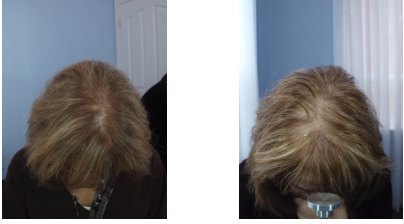
However if you are a woman seeking to fill in the “part” the extra 10,000 hairs as well as the quality of the hair is clearly worth it. Even with this poor photo, you can see the after on the left has filled in the part and the quality of the hair is improved as well. This photo was supplied to me by a doctor friend in Canada of one of her actual patients.

Patient Requests for Viviscal

An interesting event occurred around the same time. A number of our existing patients began asking us to carry the professional version of Viviscal, a hair supplement known for promoting hair health and growth. While supplements like Viviscal can be helpful for supporting healthier hair, they aren’t magic pills that stop balding or regrow lost hair, especially in cases of advanced hair loss. But that was probably the only time patients asked us to carry a product. I cant speak to head to head results vs Nutrafol which is currently advertising a lot today.

The Gold Standard: Hair Transplants

Despite the various new treatments available, the reality is that hair transplants continue to be the most effective and permanent solution for significant hair loss. Just today, a dear friend of mine is in Florida with her son, who is undergoing hair transplants. This reinforces what I’ve long known—while newer options like laser therapy, PRP, and supplements have their place, hair transplants remain the gold standard. They offer permanent, natural-looking results and have stood the test of time, especially as non-surgical treatments have yet to prove themselves on a large scale.

Why Hair Transplants Are Still Popular

  1. Permanent Results: Unlike topical treatments or medications, hair transplants provide a permanent solution to hair loss. The transplanted hair follicles are typically resistant to the hormone DHT (dihydrotestosterone), which causes balding in androgenetic alopecia, ensuring that the hair continues to grow even after the procedure.
  2. Natural Appearance: Advances in transplant techniques, particularly Follicular Unit Extraction (FUE) and Follicular Unit Transplantation (FUT), have made it possible to achieve very natural-looking results. The precise placement of individual follicles makes it nearly impossible to detect a transplant.
  3. Customization: Hair transplants can be tailored to each individual’s hair loss pattern, ensuring that the density and hairline design fit naturally with the person’s overall appearance.

Modern Hair Transplant Techniques

  1. Follicular Unit Extraction (FUE):
    • In this method, individual hair follicles are extracted one by one from the donor area (typically the back of the head) and transplanted into the balding areas.
    • Advantages: Minimally invasive, no large scars, faster recovery, and less discomfort.
    • Disadvantages: More time-consuming and often more expensive than FUT because it requires more precision.
  2. Follicular Unit Transplantation (FUT):
    • This technique involves removing a strip of scalp from the donor area, dissecting it into individual hair follicle units, and then transplanting them to the balding areas.
    • Advantages: It can cover larger areas in a single session and may be more cost-effective for extensive hair loss.
    • Disadvantages: Leaves a linear scar in the donor area, which can be visible if the person chooses to wear their hair short.
  3. Robotic Hair Transplants (ARTAS):
    • Some clinics use robotic systems to assist in FUE procedures. The robot helps in identifying and extracting the healthiest hair follicles for transplantation, potentially increasing precision and reducing the time needed for the procedure.

Non-Surgical Alternatives on the Rise

While hair transplants remain a reliable option, non-surgical treatments are becoming more popular due to their minimally invasive nature, with treatments like:

  • PRP Therapy: Involves injecting platelet-rich plasma from your own blood into the scalp to promote hair growth.
  • Low-Level Laser Therapy (LLLT): Non-invasive laser treatments that stimulate hair follicles.
  • Medications: Options like minoxidil (Rogaine) and finasteride (Propecia) are still widely used to slow down hair loss and promote hair regrowth.
  • Exosome Therapy: The use of exosomes to stimulate hair regrowth is an emerging treatment, showing promise in rejuvenating hair follicles.

Conclusion: Personal and Professional Lessons

Through both personal and professional experiences, I’ve learned that while the world of hair loss treatments is constantly evolving, the fundamentals remain the same. Hair transplants are the gold standard because they provide lasting, visible results—especially for those who are losing hair at a rapid rate. While the convenience and promise of newer technologies like low-level lasers and supplements can be appealing, they often fall short for those seeking a real transformation.

As someone who has played the role of guinea pig and offered the latest in hair loss solutions, I can say with certainty that when it comes to hair loss, there is no one-size-fits-all solution. But for those looking for something tried, tested, and proven, hair transplants still reign supreme. To be continued. Very intrigued to follow the latest developments in stem cell genetic therapy and exosomes.


Top Anti-Inflammatories to Ward Off Arthritis and Inflammatory Issues

Inflammation is the body’s natural response to injury or illness, but chronic inflammation can lead to a host of health problems, including arthritis and other inflammatory conditions. Fortunately, there are several natural anti-inflammatories backed by evidence-based research that can help manage and reduce inflammation. Below is a list of some of the top anti-inflammatories that may support your journey toward better health.

Note from John:

For those who don’t like to read or just want the quick version (hey, we’re all a bit lazy sometimes), here’s my cliff notes or “quickie for dummies”:

When I worked with Oz Garcia, I had the job of writing vitamin labels. This wasn’t just a matter of slapping on some buzzwords—I had to back every claim with solid studies, which then went through a rigorous review by the nutritionist and legal team at the vitamin manufacturer. One of our big projects was creating the Longevity Pak, which even Hillary Swank raved about. I also wrote individual labels, and let me tell you, the easiest one to write was for fish oils. The benefits are practically endless: they start with the brain, move down to the heart, and cover the whole body’s inflammation issues. When it comes to fish oils, focus on Omega-3s—trust me, we already get more than enough Omega-6s in our diet. Funny enough, they used to sell products boasting Omega-3, 6, and 9, but really, just stick with Omega-3s.

If you’re going to pick one supplement, Omega-3s would be it. My second favorite? Turmeric or curcumin. Over 25 years ago, I used to buy organic turmeric powder (the kind sold for seasoning) and mix half a teaspoon with water. I don’t recommend it—it tasted awful! But do be careful about the source.

As for resveratrol and SAMe, they’re way too pricey. One of my favorite go-to doctors, who was on Steve Jobs’ medical team and has a PhD in nutrition and biochemistry, told me resveratrol isn’t worth it. I don’t have two PhDs, so I take his word for it.

Everyone is vitamin D deficient—even my friends in Florida. That says a lot because vitamin D is crucial for so many things. Magnesium is another essential; it’s involved in everything from energy production to relaxing your muscles. Most of us need it. Start there, and remember, we are all biologically unique—or as Joshua Rosenthal coined it, we have “bio-individuality.” So, pay attention to what works for you.

PS: If you want to see Oz Garcia in person, be prepared to shell out $25,000 just to walk through the door. The first thing he’ll ask you to do? Write down everything you eat for a week. Duh. Not only are we biologically different, but we also all have different diets. You can’t hire someone to follow you around for a week to track your meals. Well, actually, you can—Oz does one-week retreats with his billionaire clients. But assuming most reading this aren’t in that category, you’ll need to track what you eat and how you feel. Personally, I use an Excel sheet to track my supplements and medications (I take testosterone and growth hormone). It’s essential for reference.

1. Turmeric (Curcumin)

Curcumin, the active compound in turmeric, has been extensively studied for its anti-inflammatory properties. It works by inhibiting several molecules involved in inflammation, such as NF-kB, COX-2, and TNF-alpha. Curcumin has shown effectiveness in managing inflammatory conditions like arthritis.

2. Omega-3 Fatty Acids (Fish Oil)

Omega-3 fatty acids, particularly EPA and DHA found in fish oil, are powerful anti-inflammatories. They reduce the production of inflammatory cytokines and eicosanoids, providing relief from joint stiffness and pain, particularly in rheumatoid arthritis.

3. Ginger

Ginger contains bioactive compounds such as gingerol and shogaol, which are known for their anti-inflammatory effects. Research shows that ginger can significantly reduce inflammation and pain in conditions like osteoarthritis.

  • How to Use: Ginger can be consumed fresh, dried, or in supplement form. A common dose is 1-2 grams of ginger extract daily.
  • Learn More: Journal of Medicinal Food

4. Green Tea (EGCG)

Green tea, rich in epigallocatechin gallate (EGCG), is a potent anti-inflammatory and antioxidant. It has been shown to reduce inflammation and cartilage degradation in arthritis.

  • How to Use: Enjoy 3-4 cups of green tea daily or take 400-800 mg of EGCG as a supplement.
  • Learn More: Journal of Nutrition

5. Resveratrol

Resveratrol, found in red grapes, berries, and red wine, has anti-inflammatory properties. It works by inhibiting NF-kB and other inflammatory pathways and is studied for its potential to reduce inflammation in arthritis and cardiovascular disease.

6. Boswellia Serrata (Indian Frankincense)

Boswellia Serrata is known for its anti-inflammatory effects, particularly in osteoarthritis. The active compounds, boswellic acids, inhibit the 5-lipoxygenase enzyme, reducing inflammation and pain.

7. Bromelain

Bromelain, an enzyme found in pineapples, has anti-inflammatory properties and is particularly effective in reducing inflammation from soft tissue injuries and osteoarthritis.

  • How to Use: Bromelain is typically taken in doses of 500-2,000 mg daily.
  • Learn More: Planta Medica

8. Capsaicin

Capsaicin, the compound that gives chili peppers their heat, reduces inflammation and pain by depleting substance P, a neuropeptide involved in pain transmission. It is commonly used for osteoarthritis pain relief.

  • How to Use: Capsaicin is available in topical creams, with concentrations ranging from 0.025% to 0.1%.
  • Learn More: Pain Journal

9. Vitamin D

Vitamin D is essential for immune function and inflammation regulation. Low levels of vitamin D are associated with higher inflammation and an increased risk of autoimmune diseases like rheumatoid arthritis.

10. Quercetin

Quercetin is a flavonoid that has powerful anti-inflammatory effects. It works by inhibiting inflammatory cytokines like IL-6 and TNF-alpha, making it a beneficial supplement for reducing chronic inflammation.

11. Alpha-Lipoic Acid (ALA)

Alpha-lipoic acid is an antioxidant that helps reduce inflammation by neutralizing free radicals. It is particularly effective in reducing inflammation in people with metabolic syndrome and diabetes.

12. S-adenosylmethionine (SAMe)

SAMe is a compound naturally produced in the body that plays a role in reducing pain and inflammation in osteoarthritis. It also supports joint health by promoting cartilage production.

13. Magnesium

Magnesium is involved in many bodily processes, including the regulation of inflammation. It helps lower levels of CRP (C-reactive protein), a marker of inflammation, which can reduce the risk of chronic inflammatory diseases.

14. Vitamin C

Vitamin C is a powerful antioxidant that neutralizes free radicals, reducing inflammation. It also supports immune function and is essential for collagen production, which is vital for joint health.

  • How to Use: While the RDA for vitamin C is 90 mg for men and 75 mg for women, higher doses (500-1,000 mg) are often recommended for their anti-inflammatory benefits.
  • Learn More: Nutrients Journal

15. Zinc

Zinc is crucial for immune health and has anti-inflammatory properties. It helps modulate the immune response and reduce inflammatory cytokines, which can be beneficial in managing chronic inflammatory conditions.

  • How to Use: The RDA for zinc is 11 mg for men and 8 mg for women, though supplements typically provide higher doses (15-30 mg).
  • Learn More: Biological Trace Element Research

Conclusion

Incorporating these natural anti-inflammatories into your daily routine can support your body’s ability to manage inflammation, potentially preventing or reducing the severity of conditions like arthritis. Always remember, before starting any new supplement, it’s important to consult with a healthcare provider, especially if you are managing a chronic condition or are on medication.


Disclaimer: The information provided in this blog post is for educational purposes only and should not be considered as medical advice. Always consult with a qualified healthcare professional before starting any new treatment or supplement regimen. Individual results may vary, and what works for one person may not work for another. The statements in this post have not been evaluated by the Food and Drug Administration (FDA). These products are not intended to diagnose, treat, cure, or prevent any disease.

Give Me One Minute, I’ll Give You the World

What if you could just do something for one minute a few times an hour that would change your life? It’s that simple, and I’m going to prove it to you.

First, let me share a little secret: I’ve managed to stay fit and healthy by being lazy. My friends used to make fun of me for my quick gym visits. They’d say, “John, I was at the gym an hour before you. You came in, gave air kisses to three girls, worked out for 10 minutes, and left, while I spent a total of 1.5 hours here.” But guess what? I look great, and they don’t. Why? Because while they dread going to the gym for an hour, I go every day for just 10 minutes. It’s easy to go every day when it’s only for 10 minutes!

Now, let’s take this practice to an extreme. Consider Jack LaLanne, the father of exercise, who started the first gym in 1939. Back then, he gave women a series of simple home exercises. What if we went back to the future and did simple things all day long?

I recently went to physical therapy for my neck and started doing small exercises here and there. My posture improved, my range of motion increased, and it turns out we can burn between 3 and 10 calories a minute depending on the activity. So let’s settle on 5 calories a minute for simplicity. If you’re awake for 16 hours a day and do something for just one minute every 20 minutes, that’s 48 times a day. Multiply that by 7 days a week, and you’re burning an extra 1,680 calories a week, which translates to around 2 pounds of weight loss a month or 25 pounds a year. Plus, you’ll be more flexible, feel younger, and be in less pain.

Who wants to join me?

What about success? What if you made that one important phone call that only takes a minute? You know the one you have been avoiding for 3 weeks, while you were busy organizing your files. What if you took another 5 minutes each day to do the most important things you need to do? Most of those calls will go to voicemail, taking just 30 seconds. Send a text, comment on Instagram—each of these actions could change your life, and they all take less than a minute.

One minute is all you need to say no to temptations. I used to take clients to lunch every day at the best restaurants in New York. My mind might have been thinking vodka gimlet, fillet mignon and a chocolate mousse pie for dessert, but the words that came out of my mouth were broiled fish and salad and club soda with lime. Sure I wanted to call the waiter back and change my order, but that feeling passed. That afternoon I’d feel great while jogging 5 miles. We buried many a salesman who spent the afternoon at the infamous Palm Restaurant in New York drinking their way to cirrhosis of the liver. Just a few seconds of self discipline helped me navigate decades of taking people to lunch and not getting fat, drunk or dead.

Ever notice that cravings pass in about five minutes? The initial action only takes a minute. Just get up, stretch, make the call, drink water. There are endless things you can do in less than a minute that will change your life. I’m not asking you to go to the gym or walk 10,000 steps. I’m only asking for one minute here and there, and it will add up.

Here’s a math test: What’s longer, one minute three times each waking hour or 30 minutes of exercise? Duh—assuming you’re awake 16 hours a day, that’s 48 minutes versus 30 minutes. This is the lazy person’s way, my way, to stay healthy, happy, and wealthy.

One last test: What’s more effective, 30 minutes of meditation in the morning followed by 17 hours of endless mind chatter, or a peaceful, reflective day where you let go of negative thoughts and reactions? I live my life in peace. The average person thinks 60,000 to 80,000 thoughts a day, mostly negative and repetitive. That’s no way to live. Start by giving me just one minute, and we can change our lives together.

Now, if I can just take a minute to figure out how to open up the comments so I can get comments and we can have more fun.

John’s Hierarchy, Not Maslow: Feel, Do, Be

It’s simply: Feel, Do, Be. Feeling being the lowest? Huh? Yes, if you operate solely by your feelings, you are no different than animals or a baby. Thats when you have those days when you feel like you are being bounced around in a pinball machine. Not good. Yet, this becomes a bit paradoxical because at our highest level of being, we are indeed feeling. So let’s break it down and see if we can integrate it all.

Feeling, Doing, Being: A Hierarchy of Living Life

In our journey through life, we often navigate different stages of existence, each with its own set of challenges and rewards. One way to conceptualize this journey is through the hierarchy of feeling, doing, and being. These stages represent a progression from basic emotional responses to purposeful actions, and ultimately, to a state of mindful existence.

Feeling: The Foundation of Experience

At the most fundamental level, our lives are driven by feelings. Emotions are the immediate, often instinctive responses to our surroundings and experiences. They form the foundation of our interactions with the world, influencing our decisions and actions. While living in the realm of feeling can be intense and overwhelming, it is an essential part of our humanity. Embracing and understanding our emotions is the first step towards personal growth. It becomes a challenge to respond vs react, and often purposeful action becomes elusive.

Doing: The Stage of Action

As we move beyond mere feelings, we enter the stage of doing. This is where our actions take shape, driven by goals, responsibilities, and ambitions. Emotional maturity kicks in, and we do regardless of how we feel. Doing involves applying our emotional insights to create tangible outcomes. It is in this stage that we build our careers, nurture relationships, and contribute to society. While doing is often associated with productivity and achievement, it is also about finding purpose and meaning in our daily activities.

Being: The Pinnacle of Existence

The final stage, being, is about achieving a state of mindfulness and authentic existence. It transcends the immediate reactions of feeling and the purposeful actions of doing. Being is characterized by self-awareness, inner peace, and a deep connection to the present moment. It is about living in harmony with oneself and the world, embracing both the highs and lows of life with equanimity. In the state of being, we find true fulfillment and contentment.

Integrating Feeling, Doing, and Being

While these stages can be seen as a hierarchy, they are not mutually exclusive. A balanced life involves integrating feeling, doing, and being in a way that allows us to navigate the complexities of existence with grace and wisdom. By acknowledging our emotions, taking purposeful actions, and cultivating mindfulness, we can lead richer, more meaningful lives.

This hierarchy is not about prioritizing one stage over the other but about recognizing their interdependence. Feeling is the foundation that informs our doing, and being is the state that allows us to reflect on and appreciate both.

By embracing this hierarchy, we can strive to live fully, acknowledging our emotions, taking action with intention, and cultivating a mindful presence. In fact at this point we should probably add a final step called Flow. That is when you are being and everything is just flowing. You have had those moments. Reflect back on some of them. It was when everything magically fell into place. It had a lot to do with where you were at and how you were acting and being. Being in the flow, where magic happens and everything falls into place can be cultivated and experienced more often. Life should be lived as much as possible in the flow where you enjoy the most joy every moment of your short time on this planet.

What is a Vacation? You Can Do It Right Here, Right Now

One of the biggest aspects or renewal factors of a vacation is that you are someplace different. Consider this: we all have 70,000 thoughts a day and 80% of them are the same as yesterday. We wake up in the same bed. We use the same coffee maker and make our coffee the exact same way. We have other countless routines. But these routines bring up routine thoughts. You pick up your phone, call the same friend or relative that you know might be up early. That person might suck you into a political conversation, or whatever. Are you starting to get the picture?

The Renewal Aspect of a Vacation

The renewal aspect of a vacation is not that you are in Paris or the Bahamas; it’s that you are someplace else, stimulating different thoughts. I remember one day when I was living on 59th and 1st in NYC. I walked out of my building and challenged myself to simply walk two blocks and notice things I never saw before. I remember it like it was yesterday, even though it might have been 30 years ago. I might as well have been walking down the Champs Elysee.

I looked up at buildings I had walked past for 20 years. I noticed they were all four- to five-story walk-ups with interesting cornices at the top. I never even noticed how many stores and restaurants were in that one block, as I usually went straight to the Chinese or sushi place. There were actually a few other nooks and crannies I had never seen before. I was so lost in the thought of noticing things I had never seen before, it was literally like a vacation. Normally, I would purposely walk down that street for 20 years, seeing nothing and planning or worrying about my day. It’s that simple. Think differently.

Ways to Take a Vacation Right Now

  • Meditate: Meditation can help clear your mind and bring fresh perspectives.
  • Reconnect: Call a friend you haven’t spoken to in years.
  • Play a Sport: Engage in a sport you haven’t played in years.
  • Take a Class: Enroll in a class on something of interest to you.
  • Learn a Language: Even try the first free module.
  • Get Involved: Engage in someone else’s life outside of your small circle.
  • Listen to Something New: Discover new music or podcasts.
  • Walk a Different Path: Walk down a street you’ve never walked down before.
  • Rediscover Your Routine: Walk down the same street but challenge yourself to see things you never saw before. Look only at the rooftops (PS: don’t trip).

The Uncomfortable but Renewing Experience

Creating the renewal of a vacation can be as simple as changing your routine. It might be uncomfortable, but that is the renewal aspect of a vacation. When you’re in Paris, you don’t know where you’re going to get a coffee, how to order it, how much it will cost, or what it will taste like. Your mind is 100% occupied with new and different things, and for most of us, that is a “break” or a vacation from the boredom and the unpleasant aspects of our daily routine.

Conclusion

You don’t need to travel far to experience the renewal of a vacation. By simply changing your routine and thinking differently, you can stimulate new thoughts and experiences that refresh your mind and spirit. So take a trip down a different path, engage in new activities, and see the world around you with fresh eyes. Your vacation can start right here, right now.

Finally, Science Catches Up: Viagra’s Potential in Alzheimer’s Treatment

I wrote about this after I read the study from 2021, I’ve believed in the untapped potential of existing drugs to treat complex conditions like Alzheimer’s disease. It seems the Cleveland Clinic has caught up to my thinking, this March 2024, as recent studies highlight the promising role of sildenafil (Viagra) in reducing the risk of Alzheimer’s. PS thanks to my sister who prompted me to check again for any research on women. Just to confirm what certainly seems like common sense.

The Groundbreaking Research

Researchers at the Cleveland Clinic have discovered that sildenafil, commonly known for treating erectile dysfunction, might significantly lower the risk of developing Alzheimer’s disease. This revelation comes from analyzing over 7 million medical records, showing that individuals taking sildenafil were 69% less likely to develop Alzheimer’s over a six-year period compared to non-users​ (Cleveland Clinic)​​ (Cleveland Clinic)​.

How Does It Work?

Sildenafil appears to influence both amyloid plaques and tau proteins, which are key factors in Alzheimer’s pathology. By enhancing brain cell growth and reducing tau protein hyperphosphorylation, sildenafil shows potential as a neuroprotective agent. These effects were confirmed in laboratory settings using neurons derived from Alzheimer’s patients​ (National Institutes of Health (NIH))​​ (Cleveland Clinic)​.

Broader Implications for Heart Health

Beyond its potential in Alzheimer’s prevention, sildenafil is also known for its cardiovascular benefits. It improves blood flow and endothelial function, which can reduce the risk of heart diseases—a crucial consideration since heart health and brain health are closely linked​ (Cleveland Clinic)​.

What This Means for You

This groundbreaking research underscores the importance of drug repurposing. Instead of starting from scratch, scientists can explore the benefits of already approved drugs for new therapeutic uses, potentially accelerating the availability of treatments for diseases like Alzheimer’s.

Looking Ahead

The Cleveland Clinic’s findings are just the beginning. Further clinical trials are needed to establish sildenafil’s efficacy in preventing or treating Alzheimer’s disease. However, these initial results are promising and pave the way for innovative approaches to combating neurodegenerative diseases.

Join the Conversation

I invite you to stay informed and engaged as we explore these exciting developments in medical research. Together, we can hope for a future where Alzheimer’s disease and similar conditions are a thing of the past.

For more detailed information, check out the full studies and findings from the Cleveland Clinic and the National Institutes of Health:

Feel free to share your thoughts and experiences. Let’s continue this journey together, exploring how science can unlock new possibilities for health and wellness.

Eat for Your Blood Type: A Guide to Personalized Nutrition

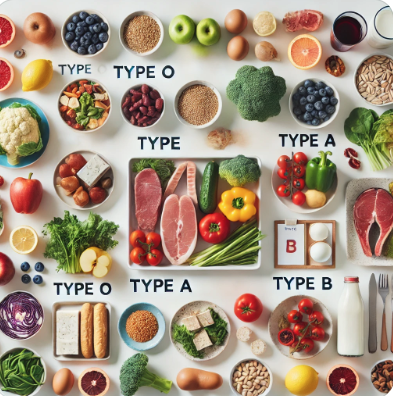
Eating for your blood type is a dietary approach that suggests different foods for each blood type (O, A, B, and AB) to promote optimal health. This concept, popularized by Dr. Peter J. D’Adamo in his book “Eat Right 4 Your Type,” proposes that the best diet for you depends on your blood type. Here’s a summary of recommended diets for Type O, Type A, and Type B.

Type O Diet

Overview: Individuals with Type O blood are believed to thrive on a high-protein diet, similar to what their hunter-gatherer ancestors consumed. This diet focuses on lean meats, fish, vegetables, and fruits, while limiting grains, legumes, and dairy.

Recommended Foods:

  • Lean Meats: Beef, lamb, veal, and poultry.
  • Fish: Cod, herring, mackerel, and sardines.
  • Vegetables: Kale, spinach, broccoli, and onions.
  • Fruits: Plums, figs, and berries.
  • Nuts and Seeds: Walnuts and pumpkin seeds.

Foods to Avoid:

  • Dairy: Milk, cheese, and yogurt.
  • Grains: Wheat, corn, and oats.
  • Legumes: Beans and lentils.

Type A Diet

Overview: Type A individuals are recommended to follow a vegetarian or plant-based diet. This group is said to have an agrarian ancestry, which means they benefit from eating fresh, organic vegetables, fruits, and whole grains.

Recommended Foods:

  • Vegetables: Carrots, broccoli, spinach, and garlic.
  • Fruits: Apples, peaches, berries, and citrus fruits.
  • Grains: Whole grains like oats, quinoa, and rice.
  • Tofu and Soy Products: Tofu, tempeh, and soy milk.
  • Nuts and Seeds: Almonds and flaxseeds.

Foods to Avoid:

  • Meat: Red meat and processed meats.
  • Dairy: Full-fat dairy products.
  • Wheat: Whole wheat and wheat-based products.

Type B Diet

Overview: Those with Type B blood are thought to benefit from a balanced diet that includes meat, dairy, grains, legumes, fruits, and vegetables. This group is said to be nomadic and should avoid specific foods that can interfere with their metabolism.

Recommended Foods:

  • Meat: Lamb, mutton, rabbit, and venison.
  • Dairy: Milk, cheese, and yogurt.
  • Vegetables: Green vegetables, sweet potatoes, and carrots.
  • Fruits: Bananas, grapes, and pineapples.
  • Grains: Oats and rice.

Foods to Avoid:

  • Chicken: Chicken and chicken products.
  • Corn: Corn and corn-based products.
  • Wheat: Wheat and buckwheat.
  • Lentils: Lentils and peanuts.

Conclusion

Following a diet based on your blood type is a personalized approach to nutrition that many people find beneficial. By focusing on foods that are considered optimal for your specific blood type, you can potentially improve your overall health and well-being.

The Concept and Origination of “Eat for Your Blood Type”

The concept of “eating for your blood type” was popularized by Dr. Peter J. D’Adamo, a naturopathic physician, through his book “Eat Right 4 Your Type,” published in 1996. Dr. D’Adamo’s theory suggests that an individual’s optimal diet depends on their blood type (O, A, B, or AB). This idea is based on the premise that each blood type has unique evolutionary traits, and eating in accordance with these traits can improve health and prevent diseases.

Key Principles and Origins

  1. Historical and Evolutionary Background:
    • Dr. D’Adamo proposed that different blood types evolved at different times in human history, corresponding to specific dietary needs. For example, Type O is considered the oldest blood type, associated with hunter-gatherer diets high in protein, while Type A is linked to agrarian societies with a diet rich in vegetables and grains.
    • Type O: Believed to be the first human blood type, originating over 10,000 years ago when humans were hunter-gatherers. This group is said to thrive on a high-protein diet with lean meats, fish, and vegetables.
    • Type A: Emerged around 10,000 years ago with the advent of agriculture. Individuals with this blood type are thought to do well on a vegetarian diet, rich in organic and plant-based foods.
    • Type B: Developed around 3,000 to 10,000 years ago, among nomadic tribes. A balanced diet that includes meat, dairy, grains, and vegetables is recommended for this group.
    • Type AB: The most recent and rarest blood type, combining the characteristics of both Type A and Type B diets.
  2. Lectins and Blood Type:
    • A significant aspect of D’Adamo’s theory involves lectins, proteins found in foods that can interact with the body’s cells based on blood type. According to D’Adamo, certain lectins can cause adverse reactions in individuals with specific blood types, leading to health issues such as inflammation, digestive problems, and weight gain.
    • By avoiding foods with harmful lectins specific to their blood type, individuals can purportedly improve their health and well-being.
  3. Immune and Digestive Health:
    • Dr. D’Adamo also emphasized that different blood types have varying susceptibilities to diseases and conditions. He claimed that eating according to one’s blood type could enhance the immune system and optimize digestive health, reducing the risk of chronic illnesses.

Scientific Reception and Criticism

The blood type diet has garnered both popularity and criticism. While many people report positive results and health improvements, the scientific community largely views the theory as lacking robust evidence. Key points of criticism include:

  • Lack of Scientific Validation: Multiple studies have found no significant evidence supporting the blood type diet’s effectiveness in improving health outcomes based solely on blood type.
  • General Dietary Principles: Critics argue that the health benefits reported by followers of the blood type diet may result from the general dietary improvements recommended (e.g., eating more vegetables and reducing processed foods) rather than the specific alignment with blood type.

Sources

  1. Healthline – Blood Type Diet Review
  2. Mayo Clinic – Blood Type Diets
  3. PubMed – An Evaluation of the Blood Type Diet

Conclusion

The concept of eating for your blood type offers a personalized approach to nutrition based on historical and evolutionary theories. While it has gained a following, it’s essential to consider the scientific debate and consult healthcare professionals when making significant dietary changes. The core idea is that aligning your diet with your blood type can potentially lead to better health, but further research is needed to substantiate these claims fully.

4o

What Supplements Should I Take?

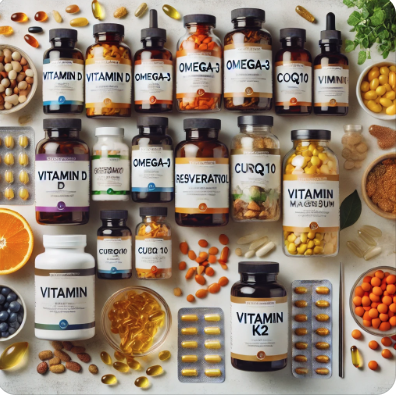
I promised to be the ultimate hack for health, happiness, and beauty. So here is what the top anti-aging scientists take:

Top anti-aging scientists and researchers often take a variety of supplements based on their research and understanding of the aging process. While individual regimens can vary, here are some common supplements that many of these experts incorporate into their daily routines:

Common Supplements Among Anti-Aging Scientists

  1. Vitamin D
    • Purpose: Supports bone health, immune function, and reduces inflammation.
    • Sources: Sun exposure, fortified foods, and supplements.
    • Evidence: Vitamin D deficiency is linked to various age-related diseases .
  2. Omega-3 Fatty Acids
    • Purpose: Supports heart health, reduces inflammation, and improves brain function.
    • Sources: Fish oil, flaxseeds, chia seeds.
    • Evidence: Omega-3s can reduce the risk of chronic diseases like heart disease and dementia .
  3. Resveratrol
    • Purpose: Mimics caloric restriction effects, potentially extending lifespan.
    • Sources: Red wine, grapes, berries, and supplements.
    • Evidence: Resveratrol may improve mitochondrial function and protect against age-related diseases .
  4. Nicotinamide Riboside (NR) / Nicotinamide Mononucleotide (NMN)
    • Purpose: Boosts NAD+ levels, essential for cellular energy and repair.
    • Sources: Supplements.
    • Evidence: Increasing NAD+ levels can enhance metabolic health and potentially extend lifespan .
  5. Curcumin
    • Purpose: Anti-inflammatory and antioxidant properties.
    • Sources: Turmeric spice and supplements.
    • Evidence: Curcumin reduces inflammation and oxidative stress, key drivers of aging .
  6. Coenzyme Q10 (CoQ10)
    • Purpose: Supports mitochondrial function and energy production.
    • Sources: Meat, fish, whole grains, and supplements.
    • Evidence: CoQ10 levels decline with age, and supplementation helps maintain cellular energy and reduce oxidative damage .
  7. Vitamin K2
    • Purpose: Supports bone and cardiovascular health by directing calcium to bones and away from arteries.
    • Sources: Fermented foods, dairy, and supplements.
    • Evidence: Vitamin K2 improves cardiovascular health and bone density .
  8. Magnesium
    • Purpose: Supports muscle and nerve function, bone health, and metabolic processes.
    • Sources: Green leafy vegetables, nuts, seeds, whole grains, and supplements.
    • Evidence: Adequate magnesium intake is crucial for many bodily functions and may help prevent age-related diseases .

Examples of Notable Figures and Their Regimens

  1. David Sinclair (Harvard Medical School)
    • Supplements: NMN, resveratrol, metformin (prescription), and vitamin D.
    • Focus: Increasing NAD+ levels and mimicking caloric restriction .
  2. Peter Attia (Physician, Longevity Specialist)
    • Supplements: Omega-3 fatty acids, vitamin D, magnesium, and others tailored to personal health metrics.
    • Focus: Reducing chronic disease risk and improving metabolic health .
  3. Rhonda Patrick (FoundMyFitness)
    • Supplements: Omega-3 fatty acids, vitamin D, magnesium, probiotics, and sulforaphane.
    • Focus: Comprehensive health optimization through diet and supplementation .

Personal Insights and Bets on Life

Growth Hormone and Testosterone

  • Rationale: At my age, the risk-reward ratio for taking growth hormone and testosterone is highly favorable. These supplements can improve muscle mass, energy levels, and overall vitality, which are crucial for maintaining a high quality of life.
  • Growth Hormone: Known for its anti-aging effects, improving skin elasticity, and increasing energy.
  • Testosterone: Vital for maintaining muscle mass, bone density, and libido.

Viagra

  • Rationale: Using Viagra to improve circulation in my brain and heart is a strategic decision. Better blood flow can enhance cognitive function and cardiovascular health.
  • Benefits: Besides its well-known use, it supports overall circulatory health, which is critical for maintaining organ function and preventing age-related decline.

Conclusion

We all place our bets in life. For me, taking growth hormone, testosterone, and Viagra are calculated risks with significant potential benefits. Combining these with a tailored supplement regimen can help optimize health and longevity.

References

  1. Healthline – Benefits of Vitamin D
  2. Mayo Clinic – Vitamin D
  3. Harvard T.H. Chan School of Public Health – Omega-3 Fatty Acids
  4. National Institutes of Health – Omega-3 Fatty Acids
  5. PubMed – Resveratrol: How Much Wine?
  6. WebMD – Resveratrol
  7. Healthline – Nicotinamide Riboside
  8. NIH – NAD+ Boosters
  9. Healthline – Benefits of Curcumin
  10. PubMed – Curcumin: Inflammation and Aging
  11. NIH – Coenzyme Q10
  12. Healthline – CoQ10 Benefits
  13. WebMD – Vitamin K2
  14. Healthline – Vitamin K2 Benefits
  15. NIH – Magnesium
  16. Healthline – Magnesium Benefits
  17. David Sinclair – Lifespan
  18. Harvard Health Blog – The Power of Resveratrol
  19. Peter Attia – Supplements
  20. FoundMyFitness – Rhonda Patrick

These insights, combined with the personalized approaches taken by leading scientists, illustrate the thoughtful and proactive strategies employed to enhance longevity and quality of life.

4o