When we think about building rapport, the common assumption is to find similarities and share them eagerly. Imagine meeting someone and discovering that their mother was born in the same small city in Ukraine as yours. You’d think sharing this would instantly create a connection, right? Wrong. Buzzer please! On a scale of 1 to 5, that’s a zero.
Or picture this: a new acquaintance tells you their favorite sport is basketball. You jump in to share that baseball is yours, thinking it’s a great way to bond over sports. Buzzer again! Still level zero.
Why doesn’t this work?
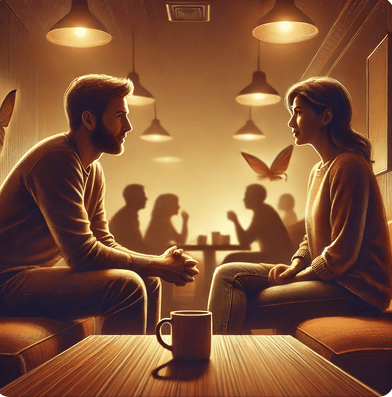
Here’s the insight that flips the script on what real rapport is. I have to give 100% credit to Sean Callagy, the leader of Unblinded, for this profound understanding. During a conversation with a young lady who cherished watching the Yankees with her father and family, Sean didn’t just wait for his turn to speak or share his own baseball stories. Instead, he listened deeply. He recognized the emotional weight of her relationship with her father and how it colored her love for the Yankees. He listened so intently and empathically that he had to stop himself to avoid bringing her to tears. That’s a level 5 connection.
The key to real rapport isn’t in sharing our stories. It’s in deeply understanding and acknowledging theirs.
Think about it. How many times have you shared something that felt 110% relevant to the conversation, only to have the other person say, “I forgot what I was going to say”? What does that tell you? It suggests that while you were focused on your relevant contribution, they were waiting to share something important to them. They weren’t heard. They weren’t seen.
Earlier in the day on a morning call, Michael Smikun, another leader at Unblinded, explained the concept of “acknowledgement.” I realized its significance when I tried to help a friend transition out of grief without first acknowledging their pain. I had the right intention – I didn’t want them to suffer – but I missed the mark. They thought I didn’t care because I skipped over acknowledging their grief. My focus was on easing their suffering, but without recognition of their current state, it felt dismissive.
Real rapport is about more than matching and mirroring. It’s about being fully present and deeply acknowledging the other person’s experience.
This isn’t something new. I learned the basics of matching and mirroring 40 years ago with Anthony Robbins. But what I’m talking about here goes far beyond that. It’s not just about reflecting back behaviors or words. It’s about tuning into the emotional and relational frequencies of the people you engage with.
To truly connect, we must go beyond superficial similarities and dive into genuine understanding.
This takes practice and a lot of patience. It’s about listening not just with our ears, but with our hearts. It’s about being of true service and support to those we love. And when we master this, the connections we build are richer, more meaningful, and profoundly impactful.
So next time you find yourself in a conversation, resist the urge to share your own stories right away. Instead, listen deeply, acknowledge fully, and let the connection naturally deepen. That’s real rapport.
Final Thoughts
The insights shared here are inspired by the wisdom and teachings of Sean Callagy and Michael Smikun from Unblinded. Their guidance has profoundly reshaped my understanding of building meaningful connections. I would be remiss not to mention Fernando Valencia, who brings yet another nuance of rapport, which I will delve into in my next post. If you’re ready to take your relationships to the next level, start by practicing deep, empathetic listening. And remember, true connection lies in the heart of genuine understanding.
It’s a funny but profound truth: humans are, in essence, drug addicts. But not in the way you might first imagine. Our brains are wired to seek out experiences that release pleasure-inducing chemicals. These “drugs” are the neurotransmitters and hormones like endorphins, oxytocin, dopamine, and serotonin. Let’s take a closer look at how these natural highs influence our behavior and choices, and the myriad ways we chase them.
Choosing Your “Drugs”
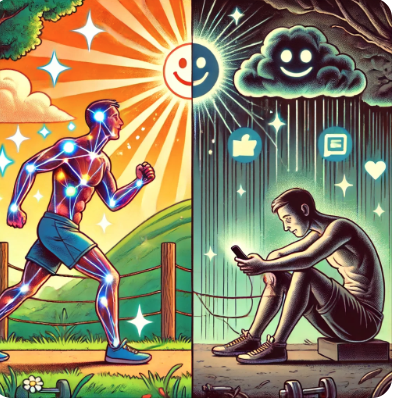
1. Exercise and Endorphins: When you exercise, your brain releases endorphins, often referred to as the body’s natural painkillers. This chemical surge can give you a euphoric feeling, known as the “runner’s high.” It’s a healthier way to get your fix, boosting mood, reducing stress, and enhancing overall well-being.
2. Sweets and Sugar Rushes: Eating sweets can trigger a rapid release of dopamine, the brain’s reward chemical, making you feel good and crave more. This is why it’s so hard to resist that piece of chocolate or that scoop of ice cream—our brains are wired to love sugar.
3. Alcohol and Relaxation: Alcohol consumption increases the release of dopamine, giving you a temporary feeling of euphoria and relaxation. However, it’s a double-edged sword, as overindulgence can lead to dependence and a myriad of health issues.
4. Physical Touch and Oxytocin: Cuddling with your pet, hugging a loved one, or even holding hands can release oxytocin, known as the “love hormone.” This not only feels good but also strengthens social bonds and reduces stress.
5. Avoidance and Stress Reduction: Sometimes, not making a decision or avoiding a task can be a way to sidestep the fear and anxiety that come with certain activities. This avoidance can temporarily shield us from the flood of stress-related chemicals like cortisol.
6. Politics and Adrenaline: Getting riled up about politics or other contentious topics can flood your brain with adrenaline, making you feel alive and engaged. This explains why people can become so passionately involved in debates or political discussions, often thriving on the emotional intensity.
7. Social Media and Dopamine: Social media is designed to keep us hooked. Every like, comment, or share triggers a release of dopamine, reinforcing our desire to keep scrolling and engaging. This constant hit of pleasure is why so many find themselves addicted to their screens.
8. Healthy Social Interactions: Interacting with others can release a cocktail of beneficial chemicals—oxytocin, dopamine, serotonin, and endorphins. These interactions boost our mood, enhance social bonds, and contribute to our overall health and well-being.
Why Social Media is So Addictive
Social media is like a digital playground for our brain’s reward system. It offers instant gratification and constant feedback, making it a potent source of dopamine hits without the need to leave the house. This explains why scrolling through feeds can be so hard to put down—it’s a quick, easy, and effective way to feel good.
Balancing Your Brain’s Needs
Understanding that we are all seeking these chemical rewards can help us make more conscious choices about how we get them. Opting for healthier activities like exercise, social interactions, and hobbies can provide the same pleasurable effects as more harmful behaviors but with lasting benefits for our well-being.
So, next time you reach for that piece of chocolate, decide to binge-watch a series, or opt to hit the gym, remember—you’re just trying to get your next fix. Make sure it’s one that truly enhances your life.
Conclusion: The Dual Nature of Our Urges
Humans are hardwired to seek out chemical rewards from various activities, a trait that has ensured our survival through evolution. These chemical urges—whether it’s the endorphin rush from exercise or the dopamine hit from social media—are essential for motivating us to eat, drink, and connect with others. Without these built-in triggers, we might neglect basic survival needs, much like how some older adults lose their thirst mechanism and risk dehydration.
However, in today’s world, these same survival mechanisms can also lead to our downfall. The abundance of unhealthy foods, coupled with technologies designed to exploit our urge for instant gratification, can steer us towards detrimental habits.
Understanding this dual nature is crucial. While these urges help us thrive, they can also be manipulated, pushing us to make choices that ultimately harm our health and well-being. By becoming aware of these impulses and how they influence our behavior, we can make more conscious decisions, opting for activities that provide lasting benefits over fleeting pleasures.
It’s a delicate balance, but by choosing healthier ways to satisfy our urges—like exercising, engaging in meaningful social interactions, or pursuing hobbies—we can harness our natural instincts to live more fulfilling and healthier lives.
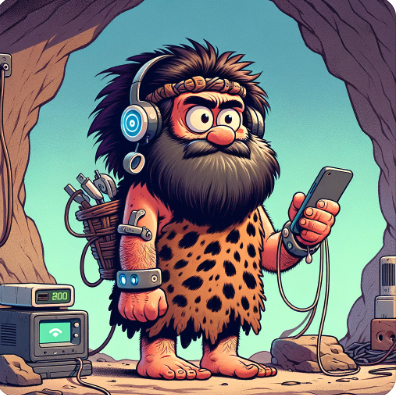
Have you ever considered who you spend the most time talking to? It’s not your family, friends, or colleagues. It’s someone much closer—an integral part of you. Let’s call this constant companion “Grog.” Grog represents the primitive part of your brain, the one that’s been with you since the dawn of human evolution. Understanding Grog’s motivations can provide profound insights into our behaviors and the quality of our lives.
Meet Grog: The Primitive Brain
Grog is the embodiment of our ancient brain, wired for survival. His main goals are straightforward and have remained unchanged for millions of years: gather food, avoid predators, procreate, and rest. Let’s break down these primal drives:
Gathering Food:
Grog’s survival instinct pushes us to seek sweets and avoid bitter foods, which historically could indicate poison. This wiring ensured our ancestors consumed energy-dense foods necessary for survival.
In modern times, this manifests as cravings for sugary and high-calorie foods. While these were crucial for survival in our past, today they can lead to unhealthy eating habits because our environment has changed drastically.
Procreation:
Grog’s drive for procreation leads to sexual stimulation and reproduction. This drive ensures the continuation of our species.
Contemporary behaviors, like trends in enhancing sexual attractiveness, can be traced back to Grog’s influence. For instance, why are women increasingly getting butt injections? Grog might be whispering that a more voluptuous figure signifies greater sex appeal and a higher chance of attracting a strong mate, increasing reproductive success.
Avoiding Predators and Rest:
Grog is always on alert, scanning for threats. This constant vigilance was crucial for our ancestors, who were often prey.
Today, this manifests as chronic worry and anxiety. Even though we no longer face the same physical dangers, our brain still operates in survival mode, leading to stress about potential threats, both real and perceived.
Grog also tells us to conserve energy. Since agriculture is relatively new, only about 10,000 years old, our bodies are wired to store fat and be lazy to survive during periods of scarcity.
Modern Hijacking of Grog’s Instincts
In the modern world, Grog’s instincts are often hijacked by industries that seek to capitalize on our primal drives:
Food Industry: Processes and markets sugary, high-fat foods that appeal to our ancient cravings but can be detrimental in a sedentary lifestyle.
Pornography: Exploits our natural sexual desires by providing instant gratification without the complexities of human relationships.
Entertainment and Technology: Video games and social media feed our need for stimulation and dopamine, offering endless cycles of engagement that can be as addictive as any substance.
These industries understand Grog’s primal language and use it to keep us hooked, often to the detriment of our overall well-being.
Living with Grog: Understanding and Evolving
If you’re reading this and nodding along, congratulations! It means you’re engaging the evolved part of your brain, the part that can reflect on and understand Grog’s influence. Here’s how you can start improving the quality of your life by managing your conversation with Grog:
Recognize Grog’s Voice: Be aware of when your primal instincts are driving your behavior. This awareness is the first step to making conscious choices.
Question Modern Triggers: Understand how industries exploit Grog’s instincts and develop strategies to counteract them. This might mean setting limits on junk food, digital consumption, or any other areas where you feel pulled by Grog’s primitive urges.
Cultivate Mindfulness and Balance: Engage in activities that satisfy Grog’s needs in healthy ways. Enjoy nutritious foods, pursue meaningful relationships, stay active, and ensure adequate rest.
Reflect and Engage
Consider this: every moment you’re not actively engaging the evolved part of your brain, Grog is in control. And while Grog’s instincts are invaluable, they’re not always aligned with thriving in today’s world. The quality of your life truly is the quality of your conversation with Grog. Are you listening to him too much? Or have you found a balance where you acknowledge his role but steer the ship with conscious awareness?
Your Thoughts: How does Grog influence your daily life? Do you find yourself falling prey to his instincts more often than you’d like? Reflect on your conversation with Grog and share your thoughts. Stay tuned for more insights and an off-the-cuff video exploring these ideas further.
John’s Perspective: As someone deeply invested in health, wellness, and understanding human behavior, I find the concept of Grog enlightening. Managing an aesthetic doctor’s office, I see firsthand how Grog’s instincts play out in people’s choices and behaviors. Recognizing and evolving beyond our primitive drives can lead to a more fulfilling and balanced life. What are your experiences with Grog? How do you navigate the balance between primitive instincts and modern-day challenges? Let’s continue this conversation and explore more ways to elevate our daily lives.
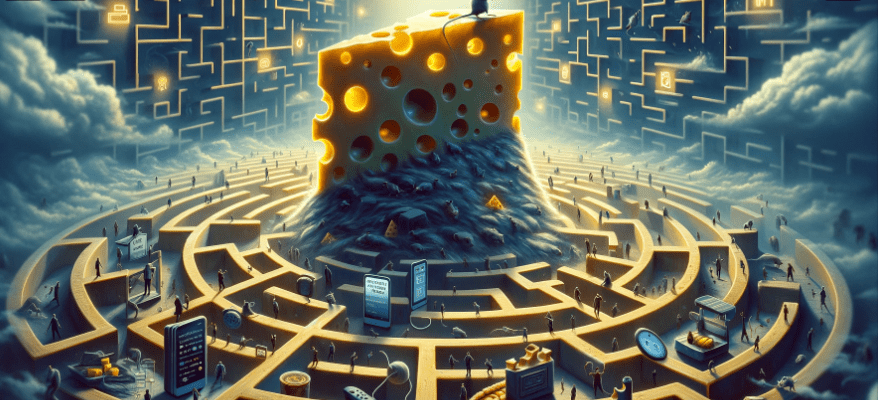
Have you ever felt like life is just a big piece of cheese, and we’re the rats in the maze, constantly chasing after it? This analogy might seem whimsical, but it cuts to the core of our modern existence. Our lives are driven by a series of “healthy urges” that motivate us to seek pleasure and avoid pain. Without these urges, we’d lose the impetus to survive and thrive. Yet, here we are, in a society where 60% of the population is obese. What happened to those natural survival instincts?
The Distinction: Eating to Live vs. Living to Eat
One fundamental issue is the shift from eating to live to living to eat. This distinction is more than just a catchy phrase; it’s a lifestyle choice with profound implications. Eating to live means nourishing our bodies with what they need to function optimally. In contrast, living to eat is about finding comfort, joy, and escape in food, often at the expense of our health.
This concept extends beyond food. Think about how we spend our time and what we allow to control our lives. Endless scrolling through social media feeds, marathon gaming sessions, and other habits can hijack our minds. Why do we do it? It all boils down to dopamine, the chemical in our brain that rewards us for engaging in pleasurable activities.
The Dopamine Dilemma
Dopamine is a powerful motivator, and in many ways, it’s like having an internal “drug dealer” constantly pushing us toward the next hit. Whether it’s Facebook, TikTok, Instagram, or even seemingly wholesome activities like going to the gym or practicing yoga, these are all potential sources of dopamine.
I’m not here to diminish the value of these pursuits. In fact, they can all be part of a balanced, fulfilling life if managed properly. The problem arises when we become so addicted to the dopamine rush that we lose control. It’s easy to become a rat pressing a bar in a cage, seeking the next pleasure hit without considering the long-term consequences.
Recognizing Your Drug Dealer
So, who or what is your dopamine provider? Is it social media, the gym, yoga, your job, or even religious practices? Each of us has our unique sources of pleasure and fulfillment. The key is to ensure that these sources contribute positively to our overall well-being rather than controlling us.
Consider this: a life spent watching endless streams of Netflix, eating junk food, and engaging in other passive activities can lead to dissatisfaction and health problems. On the other hand, finding joy and purpose in activities that build you up—like nurturing relationships, pursuing passions, and engaging in community—can lead to a more fulfilling and meaningful existence.
The Evolutionary Perspective: Beyond Survival Instincts
Our brains are wired to seek pleasure and avoid pain as a means of survival. In evolutionary terms, this meant finding food, shelter, and mates to ensure the continuation of the species. Chemicals like dopamine, oxytocin, and norepinephrine play crucial roles in this process. For example, the release of oxytocin after sex not only promotes bonding but also ensures that we continue to engage in activities necessary for reproduction and survival.
However, when these systems evolved, there wasn’t internet pornography, social media, or fast food. These modern dopamine triggers can hijack our ancient pleasure pathways, leading to overindulgence and addiction. The internet provides an endless stream of instant gratification that our ancestors never had to deal with. As a result, our natural survival mechanisms are often at odds with the realities of modern life.
Choosing a Purposeful Life
The goal isn’t to eliminate pleasure or dopamine from our lives but to manage and direct it in ways that enhance our well-being. Imagine a life where you derive pleasure from activities that build you up and align with your values. Whether it’s through family, meaningful work, creative pursuits, or community involvement, these are the paths to a truly happy life.
In essence, life is a series of choices about where we get our dopamine and how we let it influence us. We can either be the rats chasing the cheese mindlessly or the individuals who understand the maze and navigate it with purpose and intention.
Conclusion
Life’s not about eliminating the cheese but choosing the kind that nourishes us. Reflect on what provides your dopamine and ensure it aligns with a purposeful, fulfilling life. It’s about finding balance and making choices that lead to long-term happiness and well-being.
So, are you going to be controlled by your dopamine sources, or will you take charge and live a life of intentional pursuit and fulfillment? The choice is yours.
offers a profound insight into personal freedom and self-acceptance. It underlines the unrealistic nature of seeking universal approval and the importance of focusing on genuine connections that truly enrich our lives.
In a world often dominated by social media and a culture of comparison, it’s easy to fall into the trap of measuring self-worth through the lens of others’ approval. However, embracing the fact that not everyone has to love you can be liberating. It allows individuals to live more authentically, making decisions based on personal values and desires rather than catering to the expectations of others. This perspective fosters a healthier self-image and encourages relationships built on real affinity and mutual respect, rather than superficial approval.
The pursuit of being universally liked can be exhausting and ultimately unfulfilling. People have diverse opinions and preferences, and that’s what adds richness to human interactions. Accepting that some might not resonate with who you are or what you believe in is not a reflection of one’s worth but a natural part of human diversity.
This realization encourages a focus on the quality of relationships rather than quantity. It cultivates resilience, as one learns to face criticism or rejection without it diminishing their sense of self. Ultimately, understanding that you don’t need everyone’s love to lead a fulfilling life empowers individuals to pursue happiness on their own terms, fostering a sense of inner peace and confidence.
Why everyone seeks approval and how difficult it is to not seek it. It is sabotaging i in business. Obviously salesmen wouldnt be paid so highly if the biggest fear isnt public speaking but rejection
The human desire for approval is deeply ingrained, often rooted in our evolutionary past where social acceptance was crucial for survival. This longing for acceptance and fear of rejection can be traced back to our ancestors, who lived in small, interdependent groups where being ostracized could mean life or death. In the modern era, although the stakes are different, the psychological imprint remains. Many people still intensely crave social approval and fear rejection, which can profoundly impact personal and professional behavior.
The Psychological Basis of Seeking Approval
Psychologically, seeking approval is linked to our self-esteem and identity. People often interpret approval as a validation of their worth or ideas, which can boost their self-confidence and sense of belonging. Conversely, rejection can trigger feelings of inadequacy and insecurity. This drive for acceptance can influence many aspects of life, from personal relationships to career choices.
The Challenge of Not Seeking Approval
Choosing not to seek approval is a challenging path, primarily because it goes against these deep-seated psychological tendencies. It requires one to develop a strong sense of self that is not dependent on others’ perceptions. This involves cultivating self-awareness, self-acceptance, and the resilience to withstand criticism and rejection. It can be particularly tough in environments that constantly evaluate and judge performance, such as workplaces or social media platforms.
The Impact in Business
In business, the need for approval and fear of rejection can be both a motivating factor and a potential pitfall. On one hand, these emotions can drive individuals to perform at their best, innovate, and improve customer satisfaction. On the other hand, an excessive fear of rejection can lead to risk aversion, stress, and decision paralysis. Professionals might avoid necessary but potentially unpopular decisions, or fail to innovate due to fear of criticism.
Sales and Rejection
The role of a salesperson exemplifies the high stakes of seeking approval in a business context. Sales professionals often face rejection directly and repeatedly, which can be emotionally draining. Yet, their effectiveness and their compensation often hinge on how well they can manage and transcend this fear of rejection. The high value placed on skilled salespeople underlines the broader business challenge: navigating the delicate balance between seeking approval to drive success and becoming overly reliant on it to the detriment of personal and organizational goals.
Concluding Thoughts
While seeking approval is a natural human inclination, learning to moderate this need and handle rejection with grace is crucial for personal growth and professional success. In business, recognizing when the fear of rejection is hindering progress is vital. Cultivating a culture that encourages risk-taking and views rejection as a step towards success rather than a setback can help individuals and organizations thrive. By reframing rejection and reducing the stigma associated with it, everyone from top executives to frontline salespeople can achieve a healthier, more productive approach to their roles and responsibilities.
how about rejection and love
Rejection in the context of love and relationships can be one of the most emotionally challenging experiences. It strikes at the core of our desires for connection, belonging, and acceptance. Understanding and managing rejection in love requires both emotional resilience and an appreciation for personal growth.
The Emotional Impact of Rejection in Love
When someone experiences rejection in a romantic context—whether it’s unrequited feelings, a breakup, or even a failed marriage—the pain can be profound. This is because romantic relationships are deeply personal and involve a significant emotional investment. The rejection can trigger feelings of worthlessness, loneliness, and grief.
Psychologically, romantic rejection activates the same pathways in the brain that physical pain does. This means that the heartache of a breakup or the sting of unrequited love is not just metaphorical; it’s a tangible form of distress that can have both psychological and physiological effects.
Navigating Rejection in Love
Navigating rejection in a romantic context requires a focus on self-care and personal development. Here are a few strategies:
Self-Reflection: Use the experience as an opportunity for self-reflection. Consider what the relationship and its end can teach about what you value and need in a partnership.
Emotional Expression: Allow yourself to grieve and express your emotions in healthy ways. This might include talking with friends, writing in a journal, or engaging in creative activities like music or art.
Building Resilience: Cultivate resilience by focusing on your strengths and achievements outside of the relationship. Engaging in activities that build self-esteem and confidence can help mitigate feelings of rejection.
Seeking Support: Don’t hesitate to seek support from friends, family, or a professional therapist. Sharing your feelings can lighten your emotional load and provide you with perspectives that affirm your self-worth.
Moving Forward: Eventually, focus on moving forward. Engage in new activities, meet new people, and open yourself to new experiences. While this doesn’t mean rushing into another relationship, it does mean staying open to the possibilities of life.
The Positive Aspects of Rejection in Love
While painful, rejection can also be a catalyst for personal growth. It can lead to deeper self-awareness, stronger resilience, and a better understanding of one’s needs and desires in a relationship. Learning to handle rejection with grace and maturity can also improve future relationships by encouraging clearer communication, better emotional management, and more realistic expectations.
In summary, while rejection in love is a universally difficult experience, it also offers valuable lessons and opportunities for emotional development. By approaching it with the right mindset, one can navigate through this challenging time and emerge stronger and more prepared for future connections.
Have you ever had a day where everything was perfect? Had a day where your brain was just bubbling up with new ideas? A day where the sky was the limit? And then a well meaning friend asked you about an unresolved issue. In answering them you mentioned all the reasons why it cant be resolved and how the other person in that issue will never agree with your point of view. And then you start justifying why you are right.
Well about 5 minutes later. I was like, WTF just happened? I was so excited I was ready to start a new business, reach out to meet some new doctors and business people to work with. The sky was the limit. When are these shitty feelings and thoughts going to go away? How often does this actually happen?
Thank god I am actually present to what just happened. I think those of us with a brain that has enough wiring to not stick our hand in fire, probably have billions or trillions of connections that connect thought to other thoughts and feelings. So this would be inevitable for all of us.
You dont have to be a Harvard neuroscientist to recognize this. You just have to have enough connected brain cells to recognize dont stick your hand in fire. Dont cross in front of a car going 60 miles and hour less than 100 feet away. i guess things are connected in my brain. How did I know how fast the car was going, how fast it would get here, how fast I can run. What would be the consequences of crossing now. There is a plethora of information that is inextricabley woven to make complex calculations to save your life. You cant even argue that. Hmm what else has your brain stored? Maybe dont go out with guys who wear jeans? Dont go out with girls that are too self confident. Dont ever be too nice to anyone.
What kind of misinformation associated with pain is being stored with legitimate information? No matter what, you need to start recognizing happy thoughts and unhappy thoughts.
Choose wisely it will not only affect your mood. It will affect your productivity your relationship with others the quality of your days and ultimately the quality of your life.
This is what life is. Life is either a happy fun ride or a trek through shit. It doesnt matter if you are living in a prison or a prison of your mind on the 50th floor of a 100 million dollar condo on the beach, where you just arrived by private jet. We also know of suicides of people in that category. So there is no denying that if you dont have control of your mind, all the riches in the world cant make you happy.
You make the choice about what to think and you make the choice if you are going to be happy or sad. Its no different then what to wear for the day. Get that through your thick head. It is true. You need a method to do clutter clearing of your brain. Ha! another post., Clutter clear out the shit thoughts.
I alluded and discussed this in the last post. But it is worth repeating and reiterating. If you believe in evolution. If you even believe that we existed and or evolved before guns were invented. Then you have to acknowledge that any of your ancestors that werent hard wired to be constantly “vigilant” aka as worrying every moment day and night would not have survived. They would have gotten eaten generations ago and you wouldnt be reading this.
If you want to go a little bit deeper on that I think its safe to assume that some traits are so deep they are hardwired. Or lets call it subconscious. Or you can call it whatever you want because all words are simply made up. Concepts about our brains are made up as well. I choose to believe at least conceptually we have hardware and software.
In John’s definition. Hardware is what we all have in common. So that is the brain matter the lobes, whatever they do and the general way that it works.
But I also truly believe that we are hardwired to be fearful and wary so. we dont get eaten. Lets look at what seems to be another quality that is universal or pretty much hardwired. Dont we all have a sweet tooth? Isnt it possible that any generation that preceded you when we were hunter gatherers that didnt have one ate something bitter aka poison and died? So that is also something we all share.
We accept that premise. Most of us also understand that we are the ones that survived and reproduced thousands of times. So we were the ones that were great at storing fat for the lean times in between hunts and kills.
By the way we all know someone that managed to be with us today that maybe doesnt have a sweet tooth or doesnt store fat as quickly as we do.
But here is my proposal THE MAJORITY of us that are here today that have survived generation after generation for at least thousands of years since man kind first set foot on this planet or millions of years has these basic survival mechanisms, for all practical purposes hard wired.
If we go with the computer analogy. At least these qualities must be part of any operating system for a human being today.
So yes you are hard wired and or your operating system must have been built to avoid poison predators and seek sugar and fat.
Here in lies the problem. You dont need to think 50,000 negative thoughts a day. There is no lion or bear chasing you. It will be as difficult as ignoring your sweet tooth. But the process is simply the same. IGNORE all of your negative thoughts.
If you have something to attend to schedule time to deal with whatever problem or worry you need to address. The rest of the day you can then allow the negative thoughts and worries merely pass. Just like you do when you meditate. I am sure you have all done that at least once.
As you know when a thought pops up you let it pass. So in your waking hours, when you are not meditating and a negative thought about the past or fear about the future pops up let it pass.
If you can do this your life will change Immediately. You will have you first day of pure joy!
You might want to try this on a Saturday when you dont have a lot of “work” distractions and phone ringing. You probably need to stay off your phone and social media so you are not attracted to whatever disaster is occurring somewhere in the world every single day.
So take the challenge live one day of pure joy and bliss. Dont “think” Which by my definition means let go of that chew toy you call a brain.
PS you are allowed to be creative. Because, guess what? When you free your mind from the 50,000 BS thoughts for the day, your brain will begin using the creative ideas that come together as only they can for you. Because no one on this planet has had the same experiences as you.
I am not saying this all touchy feely. That is bullshit too. I am just saying factually no one has the same experiences that you have you might know accounting and music. Or law and medicine. Or maybe you understand drug addiction and withdrawal and supplements. Whatever you have done, the experiences you have had will gel in your brain and will come forth as you unique creation.
PS in todays world you might just be the expert on the Brady Bunch or Batman. In this crazy connected world you can monetize anything.
Just understand what you brain is doing so you can begin the fight. The first step is to acknowledge there is a problem. It is a problem. I dont know why all the great minds I listen to on youtube dont talk about this more. This is fundamental to life. And we therefore all share this problem.
You can not have a happy life if you are mired in fears 50,000 times a day.
Have a great day and when some stupid modern day fear pops up just let go of it. If you need to schedule time to deal with it. If it is about the past and you cant let go try the Sedona Method or go to a shrink or meditate or try hypnotism. But there is no reason to live the majority of your life in misery worry and pain.
PS to be clear you might be one of the lucky ones. You might not have a sweet tooth, you might not be good at storing fat. Also forgot to mention your default setting is also to conserve energy aka be lazy. And you might also be sitting here not having evolved from hyper vigilant ancestors that avoided predators. But I think ita safe to say we all have at the very least these “default settings” So dont beat yourself up just step one recognize it and two develop your own method for dealing with it.
You also might be one of the lucky ones that only needs to hear this once and just being aware of it will simply let it pass.




 Happiness Health and Beauty Secrets