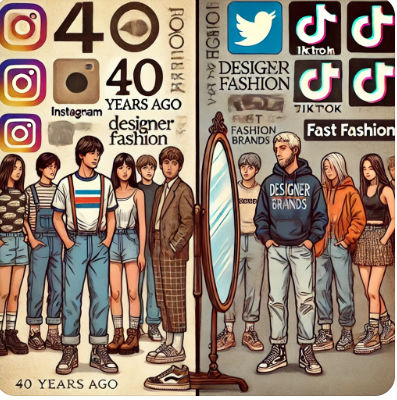
When I was in junior high and high school, everyone dressed similarly. We didn’t have to worry about feeling poor or out of place based on what we wore. However, today’s youth face a different reality—designer brands have become ubiquitous, presenting a new set of challenges that didn’t exist 40 years ago.
A Different Era: My School Days
Back in the day, the pressure to wear designer clothes simply didn’t exist. Most of us wore practical, affordable clothing, and fashion wasn’t a major concern. We focused on our studies, friendships, and extracurricular activities without worrying about the brand of our jeans or the logo on our shirts.
The Rise and Timing of Designer Brands
Fast forward to today, and the landscape has drastically changed. Designer brands have become more accessible and widespread, influencing the way young people perceive themselves and each other. This shift can be attributed to several key factors over the past few decades:
1980s: The Emergence of Affordable Luxury
- Globalization and Mass Production: Advances in manufacturing and global supply chains began to make designer goods more affordable and available.
- Brand Extension: Designer brands like Ralph Lauren and Calvin Klein started offering more affordable items, making luxury more accessible to the average consumer.
1990s: Expansion and Collaboration
- Outsourcing: Many luxury brands began producing their goods in countries with lower labor costs, reducing prices and increasing accessibility.
- Collaborations: High-end designers started collaborating with mass-market retailers, creating limited-edition collections at lower price points. This trend continues today with collaborations like H&M and Versace.
2000s: Digital Revolution and Fast Fashion
- Online Shopping: The rise of e-commerce democratized access to designer products, with platforms offering a global reach.
- Fast Fashion: Brands like Zara and H&M quickly replicated high-end fashion trends, making designer styles available to the masses at a fraction of the cost.
2010s: Social Media and the Second-Hand Market
- Social Media Influence: Platforms like Instagram and TikTok promoted a culture of comparison, where teens constantly measure themselves against others.
- Resale Platforms: Sites like eBay, Poshmark, and The RealReal popularized the resale of designer goods, making luxury items more affordable and accessible.
2020s: Continuing Trends
- Discount Sites: Websites like Gilt and Rue La La offer designer items at discounted prices, further increasing accessibility.
- Influencer Culture: The rise of influencers continues to drive demand for luxury brands, setting unrealistic standards for many young people.
The Pressure on Today’s Youth
For today’s youth, the ubiquity of designer brands creates significant social pressure. Here are some of the challenges they face:
Economic Disparities
- Feeling Poor: Students who can’t afford designer clothes may feel inferior or out of place, impacting their self-esteem and social interactions.
- Financial Strain: Families may feel pressured to spend beyond their means to ensure their children fit in.
Social Media Influence
- Constant Comparison: Platforms like Instagram and TikTok perpetuate a culture of comparison, where teens constantly measure themselves against others.
- Influencer Culture: The rise of influencers promotes a lifestyle that often includes expensive, designer items, setting unrealistic standards.
Mental Health Impact
- Anxiety and Depression: The pressure to keep up with fashion trends can contribute to anxiety and depression among young people.
- Body Image Issues: Designer brands often promote certain body types and aesthetics, which can negatively affect self-image.
Reflecting on the Past
Looking back, I realize how fortunate we were to grow up without these pressures. We were free to be ourselves, without the constant need to fit into a fashion mold. Today’s youth, however, navigate a world where appearance and brand names hold significant weight.
Moving Forward: A Call for Change
It’s important for parents, educators, and society to recognize the pressures that today’s youth face. Encouraging values like self-worth, individuality, and financial responsibility can help mitigate the impact of designer brand culture. By fostering environments where young people feel valued for who they are, rather than what they wear, we can support their mental health and well-being.
The challenges of today’s youth may be different from those of the past, but with awareness and support, we can help them navigate this designer dilemma and thrive in a world that often values appearances over substance.
 Happiness Health and Beauty Secrets