NAD, NMN, NR, and Injectable NAD: What Actually Makes Sense?

If you spend any time around the longevity world today, you will quickly hear about Nicotinamide adenine dinucleotide (NAD) and the supplements that are supposed to raise it.

People talk about NAD like it is the master switch for aging, energy, brain function, and metabolism. Podcasts, clinics, and supplement companies all have their version of the story.

And like most things in health and longevity, there is some real science mixed with a lot of marketing.

Let’s break down what NAD actually is, what NMN and NR do, and where injectable NAD fits into the picture.

What NAD Actually Does

NAD is a molecule found in every cell in your body. It plays a central role in cellular metabolism and energy production.

Without NAD, your cells cannot efficiently convert food into usable energy.

NAD is also involved in:

• mitochondrial function
• DNA repair
• cellular stress responses
• activation of longevity pathways including Sirtuins

One of the reasons scientists became interested in NAD is that levels decline with age. Some research suggests that NAD levels may drop significantly between youth and older age.

That decline has led researchers to explore ways to restore NAD levels in the body.

Why People Don’t Just Take NAD Directly

You might think the simple answer would be to just take NAD itself.

The problem is that NAD is a large molecule, and when taken orally it does not easily enter cells intact. The body tends to break it down before it can be used.

That led researchers to focus on molecules the body can convert into NAD. These are called NAD precursors.

The two most widely discussed are Nicotinamide mononucleotide (NMN) and Nicotinamide riboside (NR).

Both of these compounds exist naturally in the body and are part of the pathway that produces NAD.

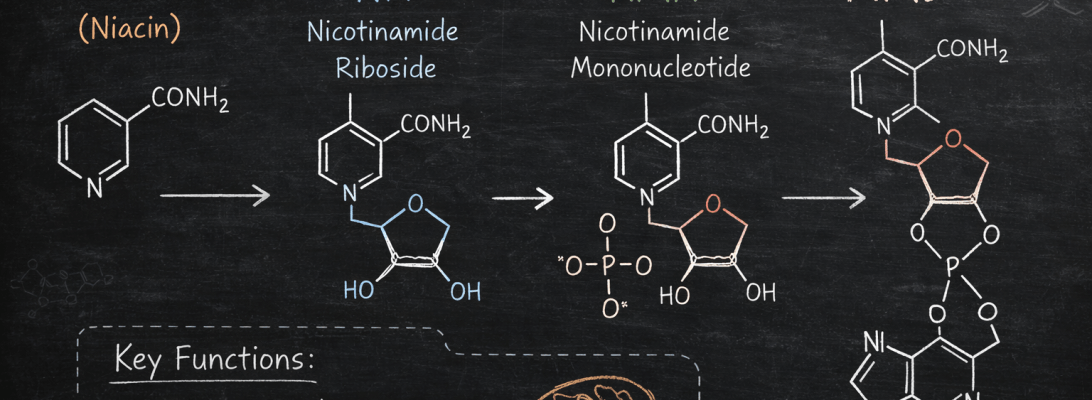
Very simply, the pathway looks like this:

Vitamin B3 → NR → NMN → NAD

Taking NMN or NR essentially provides the body with raw material to rebuild NAD through its normal metabolic pathways.

What the Research Shows So Far

The science around NAD and aging is fascinating, but it is still developing.

Animal studies have shown that raising NAD levels can improve mitochondrial function, metabolism, and certain markers associated with aging.

In humans, research has shown that NMN and NR do increase NAD levels in blood.

However, the big question remains unanswered.

Does raising NAD actually slow aging or meaningfully improve long-term health?

The answer today is: we don’t know yet.

The research is promising but still early.

The Rise of Injectable NAD

Because NAD itself is such a critical molecule, many wellness clinics now offer IV NAD infusions or injections.

The idea is that if NAD is delivered directly into the bloodstream, it could quickly boost cellular NAD levels.

These treatments can cost several hundred dollars per session, and patients often report feeling:

• increased energy
• improved mental clarity
• improved mood
• reduced fatigue

There is even some exploration of NAD infusions in addiction medicine during detox programs.

But scientifically, the picture is still unclear.

Even when NAD is injected into the bloodstream, it may still be broken down into smaller components before cells use it. In other words, the body may end up rebuilding NAD through the same pathways it would use with NMN or NR.

Another interesting detail is that NAD infusions often have to be administered very slowly. If the drip runs too fast, patients commonly experience flushing, chest pressure, nausea, or abdominal discomfort.

A Personal Perspective

I have been around the supplement and longevity world for a long time.

One of my close friends is Oz Garcia, who has spent decades advising actors, athletes, and people who are extremely serious about their health.

Oz has seen just about every supplement trend come and go.

When I asked him about NAD injections, his answer was simple and very practical.

He suggested that instead of paying $200–$250 per session for injectable NAD, it makes more sense to take NMN or NR powder and allow the body to build NAD naturally.

In his view, the metabolic pathway already exists. The body knows how to convert these precursors into NAD efficiently.

And from a cost perspective, it is dramatically cheaper.

The Bigger Picture

The NAD story highlights something interesting about the longevity field.

We are learning that aging is closely tied to cellular energy systems, mitochondrial health, and the body’s ability to repair itself.

NAD sits right in the middle of those systems.

But it is unlikely that one molecule alone will solve aging.

The strongest drivers of cellular health are still the basics:

• exercise
• metabolic health
• sleep
• nutrition
• stress management

Supplements like NMN or NR may support those systems, but they are not magic bullets.

My Approach

My personal approach is fairly simple.

I try to combine:

• the emerging science
• advice from people I trust who have spent decades studying nutrition
• and a little bit of common sense

When someone like Oz Garcia — someone who has been working at the highest level of nutrition for decades — suggests using NMN or NR powder instead of expensive NAD injections, that makes sense to me.

It respects the biology of how the body works, and it respects your wallet.

In the end, my philosophy has always been the same.

Blend good science, practical experience, and cost awareness.

That combination often leads to better decisions than hype alone.
Focusing on the Latest Vitamin Trend or Health Hack Can Kill

the most important vitamins

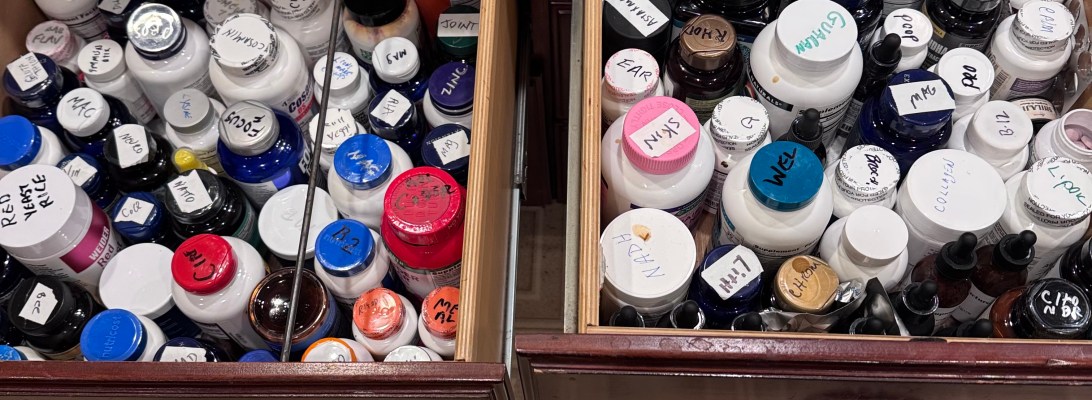
Do your vitamin drawers look like this?

Berberine, CoQ10, NAD, NMN, NAC, alpha-lipoic acid, sulforaphane, fish oils, lithium orotate—and maybe 100 others.

Are you also focused on microplastics, organic everything, toxins, seed oils, cold plunges, saunas… and about 100 other things?

Most of these are great.

That’s not the problem.

The problem is getting distracted by trends and missing the fundamentals. Every day there’s a new nuance in my feed—on every social platform—pulling attention away from the basics that actually keep you alive.

I recently had blood work done. My vitamin D was low—just like roughly half of the U.S. population. During COVID, there were credible estimates suggesting that hundreds of thousands of deaths might have been avoided if widespread vitamin D deficiency had been addressed.

Here’s the real danger: because my drawers are full of advanced supplements, I forgot to take my vitamin D for several days this week. Based on my blood work, my doctor told me I should be taking 10,000 IU per day for a week just to catch up.

I’m not even sure I’ve been consistent with a basic B-complex—something directly tied to memory, nerve health, and cognition.

This is what happens when people chase the newest health hack while neglecting the unglamorous foundations that quietly keep the system running.

Health doesn’t reward novelty. It rewards consistency.

Start with the basics: vitamin D, B vitamins, magnesium, omega-3s.

Only then does optimization make sense.

Ignoring fundamentals while obsessing over trends isn’t harmless.

Why New Year’s Resolutions Fail — and How to Do It Right

It’s New Year’s. What’s the easiest thing you can do? Let’s start there.

Take vitamin C and vitamin D3.
Vitamin D3 probably does more for your immune system, but vitamin C has the added benefit of helping your body make collagen. So make that a habit. How hard is that?

Then start small with movement.
Do a few push-ups. I don’t care how many. Touch your toes a few times. Just get in motion and build on it.

This is basic physics. Isaac Newton: an object in motion stays in motion.
So get in motion. Start something. Then incrementally build on it.

Where people fail is going for the big enchilada all at once.
“Zero to five miles a day.”
You don’t make it. And worse—you lose confidence because you didn’t do what you said you’d do.

What does work is incremental progress.

When I first started jogging, it was literally:
Can I make it to the first telephone pole?
Then the second.
Then two poles and a mailbox.
Then two blocks.
Then half a mile.
Then a mile.
Eventually, five miles a day.

It worked because it was incremental.

That’s my recommendation: incremental progress.
You’ll feel good. You’ll be proud of yourself. And you’ll actually succeed.

This goes against most advice. People say, “Shoot for the moon.”
I say, let’s go with physics and reality. Start small and build.

If the worst thing that happens is you do 10 push-ups a day for the rest of your life, that’s not a bad outcome.

P.S. I had to start all over again not that long ago. I couldn’t do a single push-up. Now I’m up to 50.

Incremental progress.
Let’s do New Year’s right.

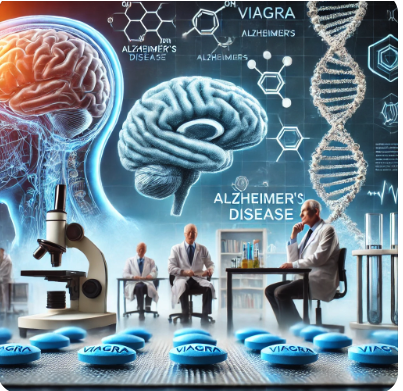
Viagra and Cialis May Reduce Heart Disease Risk by 39% and Alzheimer’s by nearly 70%

A large new study reveals that men who take erectile dysfunction (ED) medication are 25% less likely to suffer from heart failure, stroke, and heart attacks. Even more astonishing, research published in the Journal of Sexual Medicine found that men with ED who took these medications had a 39% lower risk of dying from cardiovascular disease. This isn’t just impressive—it’s shocking.

These drugs, which are safe, well-tested, and approved, appear to have a powerful effect on the world’s leading cause of death. It’s baffling and even infuriating that we haven’t heard more about this, especially since some of the studies date back over a decade. Meanwhile, drugs with as little as a 1% benefit get approved despite severe side effects.

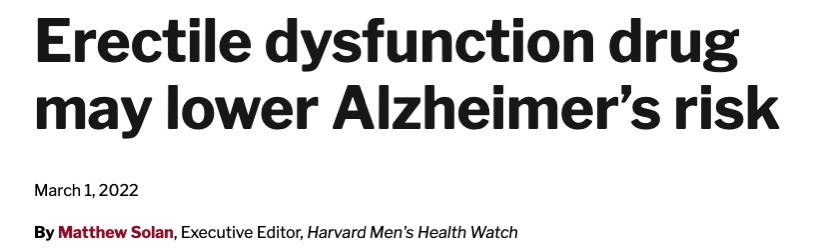
Most drug commercials rush through long lists of potential side effects, often including sudden death, just for minor conditions. In contrast, Viagra’s side effects—like headaches, flushing, and upset stomach—are relatively mild. Harvard Health also reports that Viagra may reduce the risk of Alzheimer’s by nearly 70%. If true, why isn’t it mandatory for everyone to take it?

I personally take 50mg a few times a week for heart and brain health with my endocrinologist’s full support. Forget the sexual benefits—what’s more important than your heart and brain? We’re all getting older, and no one wants to age without mental clarity or a healthy heart.

So why isn’t this front-page news? One explanation: Viagra has been off-patent for years and costs pennies to make. No one stands to profit significantly, especially when the heart disease industry in the U.S. is worth $54 billion and the global Alzheimer’s market is projected to reach $25 billion by 2029.

Conducting a new, comprehensive study would cost tens of millions and take a decade or more. Meanwhile, the correlation between ED drugs and reduced risk of heart disease and Alzheimer’s is hard to ignore.

We’ve all learned in recent years that profit often comes before life. If a cheap drug can protect your heart and brain, why wouldn’t you take that bet? It’s a no-brainer. I am not a doctor. So of course check with your doctor to make sure it doesnt have a contraindication for you.

You can find many studies on PubMed.gov

AND EVEN MORE BENEFITS? ALZHEIMERS TOO? 69% less likely Harvard? r u “f’ing kidding me?

“If you take sildenafil (Viagra, Revatio) to treat erectile dysfunction or pulmonary arterial hypertension, here’s good news: the little blue or white pill may also be protecting you from Alzheimer’s disease. Researchers analyzed insurance claims data of 7.23 million people and found sildenafil users were 69% less likely to develop Alzheimer’s over a six-year period than non-users. The possible link? As part of the study, the researchers also examined brain cells from Alzheimer’s patients and found sildenafil users had more brain cell growth and slower formation of neurofibrillary tangles in the brain, an early biomarker of Alzheimer’s.

It’s important to note that the results showed only an association between sildenafil use and lower Alzheimer’s risk. Randomized controlled studies are needed to confirm the findings. But so far, it looks like sildenafil could have far-reaching health benefits. The results were published online Dec. 6, 2021, by Nature Aging.”

If you google Harvard and Alzheimer’s you will not find this article. But if you google Harvard Alzheimer’s and viagra you will find it for yourself. By the way the first search says all the research was focused on the plaques on the brain. Yet this is saying there is improvement and prevention by focusing on circulation. How many billions of dollars went down the drain focusing on the wrong thing. PS maybe they should have thought about correlation is not causation, when it came to plaques on the brain. Kind of like the first rule of common sense. What do I know I am not a doctor?

We all know or have heard of someone that has been cured by some ancient remedy or by a drug that hasnt been approved in the United States. But we need to know that it will not harm different individuals. Is it safe for a grandmother ? a small child ? someone with other diseases, on other medications ? The process is lengthy and costly. It costs easily tens of millions of dollars for the approval process. In total, billions might be spent between research development and trials.

So if you can prove even a tiny improvement and it is proven safe, it is approved. I know. Here is a funny example. The lasers for growing hair. They do improve and regrow approximately 10% of hair lost. But I only have 10 hairs on my head, do you think 1 more hair on my head is a cosmetic improvement ? But that is an example of an FDA approved device for growing hair and how little the results might be so you can ponder these mind blowing statistics about Alzheimer’s.

As with any medical treatment, it is crucial for individuals to consult with their healthcare providers before considering the use of Viagra for conditions other than erectile dysfunction. Healthcare professionals can assess an individual’s medical history, evaluate the available evidence, and provide personalized recommendations based on the latest research findings.

It’s Bioindividuality, Stupid! Stop Arguing on Twitter

Precision Aesthetics New York

We’re all different. Sounds obvious, right? Yet, every day, people on platforms like X go to war over health advice, medications, and “miracle cures” as if one size fits all. Spoiler alert: it doesn’t. Our genetics make us unique—not just in how we look but in how our bodies handle diseases, drugs, and even nutrients. This is called bioindividuality, and ignoring it is why so many online arguments about health are a waste of time.

Take my friend Oz Garcia, a world-renowned nutritionist who’s worked with A-listers and, frankly, saved my life. When I was struggling, Oz used IV treatments like N-acetylcysteine (NAC) and glutathione to keep my liver functioning—way better than the outcome Steve Jobs faced with his liver transplant. But when Oz recently pointed out that some people don’t respond well to ivermectin (a drug hyped for off-label use), he got attacked online. Why? Because he dared suggest that a genetic mutation might make some folks immune to certain diseases or unresponsive to certain treatments. The mob didn’t want to hear it. But he’s right.

Your Genes, Your Health

Let’s talk science for a second. About 10% of people of European descent carry a genetic mutation called CCR5-delta 32. This tiny tweak in DNA stops HIV from entering immune cells, offering near-total resistance to the virus. Researchers like Christopher Duncan and Susan Scott from the University of Liverpool believe this mutation became common because it protected people during the plagues of the Middle Ages (1347–1660). They argue those plagues weren’t bubonic plague (a bacterial disease) but a viral hemorrhagic fever, since CCR5-delta 32 doesn’t block bacteria. Their computer models show the mutation’s prevalence jumped from 1 in 20,000 during the Black Death to 1 in 10 today. Survivors with the mutation passed it on, and it stuck around.

Does this mutation protect against modern diseases like COVID-19? The data’s murky. A University of Copenhagen study calls the HIV resistance “almost coincidental,” and there’s no solid evidence it helps against SARS-CoV-2. Other genetic factors, like errors in type 1 interferon, explain about 20% of severe COVID-19 cases, according to Nature Immunology. But CCR5-delta 32? Not a clear player. There’s also a catch: genes that helped your ancestors survive the Black Death might increase your risk of autoimmune diseases today, per a Harvard Health report. Survival back then could mean health trade-offs now.

Why One Cure Doesn’t Fit All

We’ve all heard stories of someone “cured” of cancer or another serious illness by a specific nutrient, tea, prayer, meditation, or even a shaman. I’m not here to dismiss those stories—our minds and bodies are powerful, and I believe in exploring all possibilities. But what works for one person might do nothing for another because of bioindividuality. Your genes might make you a super-responder to a drug like ivermectin, while someone else’s genes make it useless or even harmful. The same goes for supplements, herbs, or that trendy green juice.

This brings us to the FDA, which I hate to admit might have a point. Their insistence on rigorous, placebo-controlled studies before approving drugs isn’t just bureaucracy—it’s an acknowledgment that bioindividuality makes universal claims about treatments tricky. A drug that saves one person might harm another. That’s why they test broadly. But here’s where I get mad: the FDA’s narrow definition of a “drug” as the only thing that can “cure” a disease ignores the power of natural remedies—plants, herbs, nutrients, and even your own mindset. These can’t be patented, so they’re often sidelined.

Here’s the kicker: many drugs are just tweaked versions of compounds found in nature. Pharmaceutical companies make small changes to plants or herbs, patent the result, and call it a “drug.” Sometimes, those changes don’t even improve the original. So, while we’re arguing about “natural” versus “pharmaceutical,” the truth is they’re often closer than we think.

Stop Fighting, Start Listening

Before you jump into an X thread to scream about how ivermectin, vitamin C, or a kale smoothie cured your cousin’s friend, take a breath. Bioindividuality means your cousin’s friend isn’t you. Or me. Or anyone else. That CCR5-delta 32 mutation is just one example of how our genes shape our health in ways we’re only beginning to understand. Smallpox might have driven its spread too, but as Duncan points out, it wasn’t widespread enough in Europe before the 1600s to fully explain it. We need more research—not more yelling.

So, next time you’re tempted to dunk on someone’s health take online, remember: we’re all wired differently. What worked for you might flop for someone else. Instead of arguing, let’s push for more research into how our unique biology shapes our health. And maybe, just maybe, listen to folks like Oz Garcia, who’ve seen firsthand how bioindividuality changes the game.

Your thoughts? Drop them below, but let’s keep it civil—no Twitter-style pile-ons, please.

References

  • Duncan, S. R., Scott, S., & Duncan, C. J. (2005). Reappraisal of the historical selective pressures for the CCR5-Δ32 mutation. Journal of Medical Genetics.
  • Galvani, A. P., & Novembre, J. (2005). The evolutionary history of the CCR5-Δ32 HIV-resistance mutation. Microbes and Infection.
  • Hubacek, J. A., et al. (2021). CCR5Delta32 deletion as a protective factor in Czech first-wave COVID-19 subjects. Physiological Research.
  • Harvard Health Publishing (2022). Genes that helped people survive the Black Death may be influencing our health today. Harvard Medical School.
  • Hütter, G., et al. (2009). Long-term control of HIV by CCR5 Delta32/Delta32 stem-cell transplantation. New England Journal of Medicine.
  • Ellwanger, J. H., et al. (2020). Beyond HIV infection: Neglected and varied impacts of CCR5 and CCR5Δ32 on viral diseases. International Journal of Molecular Sciences.
  • Novembre, J., Galvani, A. P., & Slatkin, M. (2005). The geographic spread of the CCR5 Δ32 HIV-resistance allele. PLOS Biology.
  • Cohn, S. K., & Weaver, L. T. (2006). The Black Death and AIDS: CCR5-Δ32 in genetics and history. QJM: An International Journal of Medicine.

Your thoughts? Drop them below, but let’s keep it civil—no Twitter-style pile-ons, please.

Apparently I’m Right About Everything (And I Don’t Even Have a Team of Scientists)

I just read this article on Apple News—backed by a team of researchers and MDs.
But weirdly… I’m already doing most of what he recommends, and I’d even suggest one simple, obvious upgrade.

[Link to the article]. Its Apple News You will not get it if you are not subscribed.

  • He avoids sugar.
  • He eats dark chocolate with minimal sugar.
  • He takes Metformin—not because he’s diabetic, but because it mimics the effects of fasting.

This is the same stuff I’ve been doing and talking about for a while now—just without the white coat.

Let me make one very obvious correction to his routine though:
Don’t use creamer in your coffee. That’s moronic.
Sorry, but come on—most creamers are filled with weird, nasty chemicals.
Use MCT oil instead. Even better? Add a scoop of chocolate protein powder like I do every morning. You’ll be full, alert, and not craving junk two hours later.

Now, in fairness, when I reread the article, he said cream, not creamer.
Still, most people don’t know the difference—and store-bought creamers are basically poison in a bottle.
I’d still bet MCT oil beats cream if we had the time, money, and long enough human lifespans to do a proper head-to-head study.
But we don’t. So sometimes we just have to use common sense and choose wisely.

And about that dark chocolate—I get it. It’s not dessert.
But let’s be real: you’ve probably acquired a taste for some gross stuff in your life.
Beer? Tasted like piss the first time.
Vodka? Scotch? Same deal.
So… why not dark chocolate?

I’ve got a few bags of Bouchard dark chocolate from Costco—minimal sugar.
I avoided them for months because I had “real” chocolate, cookies, and ice cream around.
But now that I’ve run out of the fun stuff? I’m eating the dark chocolate.
And guess what? It’s not bad. Actually—it’s good.
And it’s loaded with antioxidants.

I also take Metformin. I’ve known about it for over 10 years.
But last year, when I read that type 2 diabetics on Metformin were having better health outcomes than so-called “healthy” people, I nearly fell over. That was the last straw.

Now the FDA has approved the first-ever study of Metformin for anti-aging. That’s historic.
I take one tablet at night. It’s everywhere in the longevity space.
It mimics intermittent fasting—which I’d love to do… except I also love eating. So, Metformin it is.

The rest? Pretty simple:

  • Mediterranean-style eating
  • Less carbs
  • Fewer processed snacks
  • More movement

I’m working hard to take care of myself—not just for me, but because that’s what I do.
I use myself as a guinea pig for safe, tested, proven options.

No, I haven’t jumped on the rapamycin bandwagon (yet).
What I am doing is minimal and safe.
Metformin has been around for over 70 years.

So if you’re reading this, here’s your nudge:
Cut the sugar. Try MCT. Swap the creamer.
And maybe—just maybe—acquire a taste for dark chocolate.

P.S. I’ve been taking Methylene Blue for about a month. And while I’m not ready to recommend it without any caveats, I will say this:
I’ve had double the energy.
Not jittery caffeine energy—clean, focused energy. The kind that lets me sit for long periods and work 14-hour days instead of 8.
It’s been used in medicine for over 100 years, but I’m taking a higher-than-recommended dose—though still less than what’s used clinically.
I’ll wait for my next blood test before reporting back. Since I am taking it at around 80mg a day double the dose recommended for off label. For context it is used as high as 280 mg a day for medical conditions. Stay tuned.

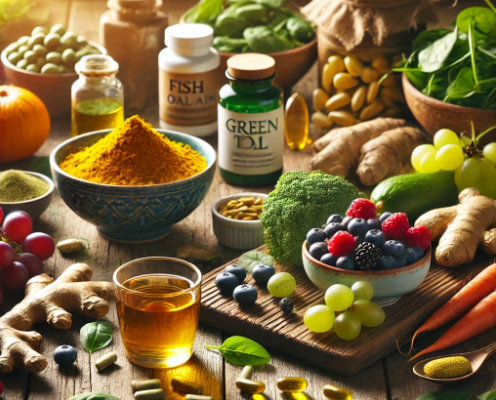
Top Anti-Inflammatories to Ward Off Arthritis and Inflammatory Issues

Inflammation is the body’s natural response to injury or illness, but chronic inflammation can lead to a host of health problems, including arthritis and other inflammatory conditions. Fortunately, there are several natural anti-inflammatories backed by evidence-based research that can help manage and reduce inflammation. Below is a list of some of the top anti-inflammatories that may support your journey toward better health.

Note from John:

For those who don’t like to read or just want the quick version (hey, we’re all a bit lazy sometimes), here’s my cliff notes or “quickie for dummies”:

When I worked with Oz Garcia, I had the job of writing vitamin labels. This wasn’t just a matter of slapping on some buzzwords—I had to back every claim with solid studies, which then went through a rigorous review by the nutritionist and legal team at the vitamin manufacturer. One of our big projects was creating the Longevity Pak, which even Hillary Swank raved about. I also wrote individual labels, and let me tell you, the easiest one to write was for fish oils. The benefits are practically endless: they start with the brain, move down to the heart, and cover the whole body’s inflammation issues. When it comes to fish oils, focus on Omega-3s—trust me, we already get more than enough Omega-6s in our diet. Funny enough, they used to sell products boasting Omega-3, 6, and 9, but really, just stick with Omega-3s.

If you’re going to pick one supplement, Omega-3s would be it. My second favorite? Turmeric or curcumin. Over 25 years ago, I used to buy organic turmeric powder (the kind sold for seasoning) and mix half a teaspoon with water. I don’t recommend it—it tasted awful! But do be careful about the source.

As for resveratrol and SAMe, they’re way too pricey. One of my favorite go-to doctors, who was on Steve Jobs’ medical team and has a PhD in nutrition and biochemistry, told me resveratrol isn’t worth it. I don’t have two PhDs, so I take his word for it.

Everyone is vitamin D deficient—even my friends in Florida. That says a lot because vitamin D is crucial for so many things. Magnesium is another essential; it’s involved in everything from energy production to relaxing your muscles. Most of us need it. Start there, and remember, we are all biologically unique—or as Joshua Rosenthal coined it, we have “bio-individuality.” So, pay attention to what works for you.

PS: If you want to see Oz Garcia in person, be prepared to shell out $25,000 just to walk through the door. The first thing he’ll ask you to do? Write down everything you eat for a week. Duh. Not only are we biologically different, but we also all have different diets. You can’t hire someone to follow you around for a week to track your meals. Well, actually, you can—Oz does one-week retreats with his billionaire clients. But assuming most reading this aren’t in that category, you’ll need to track what you eat and how you feel. Personally, I use an Excel sheet to track my supplements and medications (I take testosterone and growth hormone). It’s essential for reference.

1. Turmeric (Curcumin)

Curcumin, the active compound in turmeric, has been extensively studied for its anti-inflammatory properties. It works by inhibiting several molecules involved in inflammation, such as NF-kB, COX-2, and TNF-alpha. Curcumin has shown effectiveness in managing inflammatory conditions like arthritis.

2. Omega-3 Fatty Acids (Fish Oil)

Omega-3 fatty acids, particularly EPA and DHA found in fish oil, are powerful anti-inflammatories. They reduce the production of inflammatory cytokines and eicosanoids, providing relief from joint stiffness and pain, particularly in rheumatoid arthritis.

3. Ginger

Ginger contains bioactive compounds such as gingerol and shogaol, which are known for their anti-inflammatory effects. Research shows that ginger can significantly reduce inflammation and pain in conditions like osteoarthritis.

  • How to Use: Ginger can be consumed fresh, dried, or in supplement form. A common dose is 1-2 grams of ginger extract daily.
  • Learn More: Journal of Medicinal Food

4. Green Tea (EGCG)

Green tea, rich in epigallocatechin gallate (EGCG), is a potent anti-inflammatory and antioxidant. It has been shown to reduce inflammation and cartilage degradation in arthritis.

  • How to Use: Enjoy 3-4 cups of green tea daily or take 400-800 mg of EGCG as a supplement.
  • Learn More: Journal of Nutrition

5. Resveratrol

Resveratrol, found in red grapes, berries, and red wine, has anti-inflammatory properties. It works by inhibiting NF-kB and other inflammatory pathways and is studied for its potential to reduce inflammation in arthritis and cardiovascular disease.

6. Boswellia Serrata (Indian Frankincense)

Boswellia Serrata is known for its anti-inflammatory effects, particularly in osteoarthritis. The active compounds, boswellic acids, inhibit the 5-lipoxygenase enzyme, reducing inflammation and pain.

7. Bromelain

Bromelain, an enzyme found in pineapples, has anti-inflammatory properties and is particularly effective in reducing inflammation from soft tissue injuries and osteoarthritis.

  • How to Use: Bromelain is typically taken in doses of 500-2,000 mg daily.
  • Learn More: Planta Medica

8. Capsaicin

Capsaicin, the compound that gives chili peppers their heat, reduces inflammation and pain by depleting substance P, a neuropeptide involved in pain transmission. It is commonly used for osteoarthritis pain relief.

  • How to Use: Capsaicin is available in topical creams, with concentrations ranging from 0.025% to 0.1%.
  • Learn More: Pain Journal

9. Vitamin D

Vitamin D is essential for immune function and inflammation regulation. Low levels of vitamin D are associated with higher inflammation and an increased risk of autoimmune diseases like rheumatoid arthritis.

10. Quercetin

Quercetin is a flavonoid that has powerful anti-inflammatory effects. It works by inhibiting inflammatory cytokines like IL-6 and TNF-alpha, making it a beneficial supplement for reducing chronic inflammation.

11. Alpha-Lipoic Acid (ALA)

Alpha-lipoic acid is an antioxidant that helps reduce inflammation by neutralizing free radicals. It is particularly effective in reducing inflammation in people with metabolic syndrome and diabetes.

12. S-adenosylmethionine (SAMe)

SAMe is a compound naturally produced in the body that plays a role in reducing pain and inflammation in osteoarthritis. It also supports joint health by promoting cartilage production.

13. Magnesium

Magnesium is involved in many bodily processes, including the regulation of inflammation. It helps lower levels of CRP (C-reactive protein), a marker of inflammation, which can reduce the risk of chronic inflammatory diseases.

14. Vitamin C

Vitamin C is a powerful antioxidant that neutralizes free radicals, reducing inflammation. It also supports immune function and is essential for collagen production, which is vital for joint health.

  • How to Use: While the RDA for vitamin C is 90 mg for men and 75 mg for women, higher doses (500-1,000 mg) are often recommended for their anti-inflammatory benefits.
  • Learn More: Nutrients Journal

15. Zinc

Zinc is crucial for immune health and has anti-inflammatory properties. It helps modulate the immune response and reduce inflammatory cytokines, which can be beneficial in managing chronic inflammatory conditions.

  • How to Use: The RDA for zinc is 11 mg for men and 8 mg for women, though supplements typically provide higher doses (15-30 mg).
  • Learn More: Biological Trace Element Research

Conclusion

Incorporating these natural anti-inflammatories into your daily routine can support your body’s ability to manage inflammation, potentially preventing or reducing the severity of conditions like arthritis. Always remember, before starting any new supplement, it’s important to consult with a healthcare provider, especially if you are managing a chronic condition or are on medication.


Disclaimer: The information provided in this blog post is for educational purposes only and should not be considered as medical advice. Always consult with a qualified healthcare professional before starting any new treatment or supplement regimen. Individual results may vary, and what works for one person may not work for another. The statements in this post have not been evaluated by the Food and Drug Administration (FDA). These products are not intended to diagnose, treat, cure, or prevent any disease.

Finally, Science Catches Up: Viagra’s Potential in Alzheimer’s Treatment

I wrote about this after I read the study from 2021, I’ve believed in the untapped potential of existing drugs to treat complex conditions like Alzheimer’s disease. It seems the Cleveland Clinic has caught up to my thinking, this March 2024, as recent studies highlight the promising role of sildenafil (Viagra) in reducing the risk of Alzheimer’s. PS thanks to my sister who prompted me to check again for any research on women. Just to confirm what certainly seems like common sense.

The Groundbreaking Research

Researchers at the Cleveland Clinic have discovered that sildenafil, commonly known for treating erectile dysfunction, might significantly lower the risk of developing Alzheimer’s disease. This revelation comes from analyzing over 7 million medical records, showing that individuals taking sildenafil were 69% less likely to develop Alzheimer’s over a six-year period compared to non-users​ (Cleveland Clinic)​​ (Cleveland Clinic)​.

How Does It Work?

Sildenafil appears to influence both amyloid plaques and tau proteins, which are key factors in Alzheimer’s pathology. By enhancing brain cell growth and reducing tau protein hyperphosphorylation, sildenafil shows potential as a neuroprotective agent. These effects were confirmed in laboratory settings using neurons derived from Alzheimer’s patients​ (National Institutes of Health (NIH))​​ (Cleveland Clinic)​.

Broader Implications for Heart Health

Beyond its potential in Alzheimer’s prevention, sildenafil is also known for its cardiovascular benefits. It improves blood flow and endothelial function, which can reduce the risk of heart diseases—a crucial consideration since heart health and brain health are closely linked​ (Cleveland Clinic)​.

What This Means for You

This groundbreaking research underscores the importance of drug repurposing. Instead of starting from scratch, scientists can explore the benefits of already approved drugs for new therapeutic uses, potentially accelerating the availability of treatments for diseases like Alzheimer’s.

Looking Ahead

The Cleveland Clinic’s findings are just the beginning. Further clinical trials are needed to establish sildenafil’s efficacy in preventing or treating Alzheimer’s disease. However, these initial results are promising and pave the way for innovative approaches to combating neurodegenerative diseases.

Join the Conversation

I invite you to stay informed and engaged as we explore these exciting developments in medical research. Together, we can hope for a future where Alzheimer’s disease and similar conditions are a thing of the past.

For more detailed information, check out the full studies and findings from the Cleveland Clinic and the National Institutes of Health:

Feel free to share your thoughts and experiences. Let’s continue this journey together, exploring how science can unlock new possibilities for health and wellness.