Inside the ($30–$90+ Billion) Business of Aesthetics: A 20-Year Story of Innovation, Hype, & Real-World Practice

By John Aslanian

Aesthetic Medicine Practitioner | Former Graphic Arts Executive & Contributor to PDF Standards – Precision Aesthetics

The global aesthetics market has quietly grown from a niche corner of medicine into a mainstream, multibillion-dollar industry. When surgical and non-surgical aesthetics are combined, current estimates range from roughly $30 billion to north of $90 billion, with some analysts projecting $150–$200 billion by the mid-2030s.

Surgical procedures—facelifts, liposuction, body contouring—remain high-ticket but are limited by recovery time, risk, and patient tolerance. Non-surgical aesthetics, by contrast, is where the real growth has occurred: repeatable treatments, lower risk, and far broader consumer adoption.

I’ve spent the past two decades in New York—arguably the richest and most competitive aesthetics market in the world—focused exclusively on the non-surgical side. We were likely among the first practices to go 100% non-surgical, recognizing early that many patients wanted results without surgery, rather than being a plastic surgery practice that simply added Botox and fillers.

Today, forecasts suggest the non-surgical market alone could more than double—from roughly $19.5 billion in 2025 to over $40 billion by 2031, with global estimates for injectables and energy-based devices exceeding $80 billion.

2001: The Beginning — Just Botox and Fillers

Twenty years ago, non-surgical aesthetics was simple. There were essentially two tools: Botox and dermal fillers. They offered predictable, short-term results, but there was no real technology behind rejuvenation—no way to address the structural aging of skin, only temporary fixes for wrinkles or volume loss. That changed with the first meaningful device breakthrough.

Thermage: Collagen Without Burning the Skin

In 2001, the first true aesthetic “device” entered the market. Radiofrequency (RF) energy was introduced as a way to heat deeper layers of skin without damaging the surface. For the layperson, the analogy is simple: it’s the frustration of trying to brown chicken skin in a microwave. Thermage figured out how to harness that energy and direct it precisely to the collagen layer, tightening skin and stimulating collagen production without burning the surface—and patented the approach.

Our medical director, Dr. Lisa A. Zdinak, along with Danielle Braz, was directly involved in testing and validating the technology. At the time, we shared space with one of New York’s most respected plastic surgeons. His verdict was blunt: “It’s a toy.” Within a few years, that same surgeon was asking us to tighten and build collagen before performing facelifts.

2009: Exilis and the Next Wave

Another inflection point came in 2009 with the introduction of Exilis by BTL. Dr. Zdinak was lecturing on Thermage at the Monte Carlo Anti-Aging Congress, presenting one of its most meaningful upgrades. At that conference, after meeting BTL’s president—now best known for Emsculpt—we were tasked with bringing the first Exilis system to the United States. It combined radiofrequency and ultrasound to address both skin tightening and fat, reinforcing the idea that multi-layer treatment would define the future of non-surgical aesthetics.

The CoolSculpting Phenomenon—and Its Problems

In 2016, the industry experienced one of its biggest marketing explosions with fat-freezing technology, most notably CoolSculpting. The concept was elegant: kill fat cells by freezing them. The company backed that idea with an estimated $100 million marketing budget in a single year, rivaling legacy consumer brands. Suddenly, even my male friends in Tennessee—far outside the traditional aesthetics demographic—were seeing billboards and knew the term. Clinically, however, the reality was far more complicated.

When fat cells are destroyed via freezing, the body doesn’t automatically retract surrounding tissue. The result can be loose skin and a deflated appearance. Worse, a rare but real complication—paradoxical adipose hyperplasia—occurs in roughly 1 in 100 patients, causing fat to grow back harder, denser, and larger, often requiring surgical removal.

Despite the millions in revenue it generated for those who offered it, it was a hard pass for us. Public perception shifted after a high-profile case involving Linda Evangelista, reinforcing a lesson this industry repeatedly learns: marketing momentum can outrun clinical reality.

2018: Muscle Stimulation Goes Mainstream

In 2018, another category exploded with the introduction of Emsculpt, a muscle-stimulation platform. Fueled by social media, professional athletes, fitness influencers, and pop stars openly showcased six-pack abs achieved without traditional workouts. For the first time, non-surgical aesthetics wasn’t just about appearance—it was about strength and function, including measurable benefits like core engagement and back support. Treatment volumes and social media impressions were staggering, pulling an entirely new audience into the industry.

2020–2025: Microneedling Meets RF—and Its Dark Side

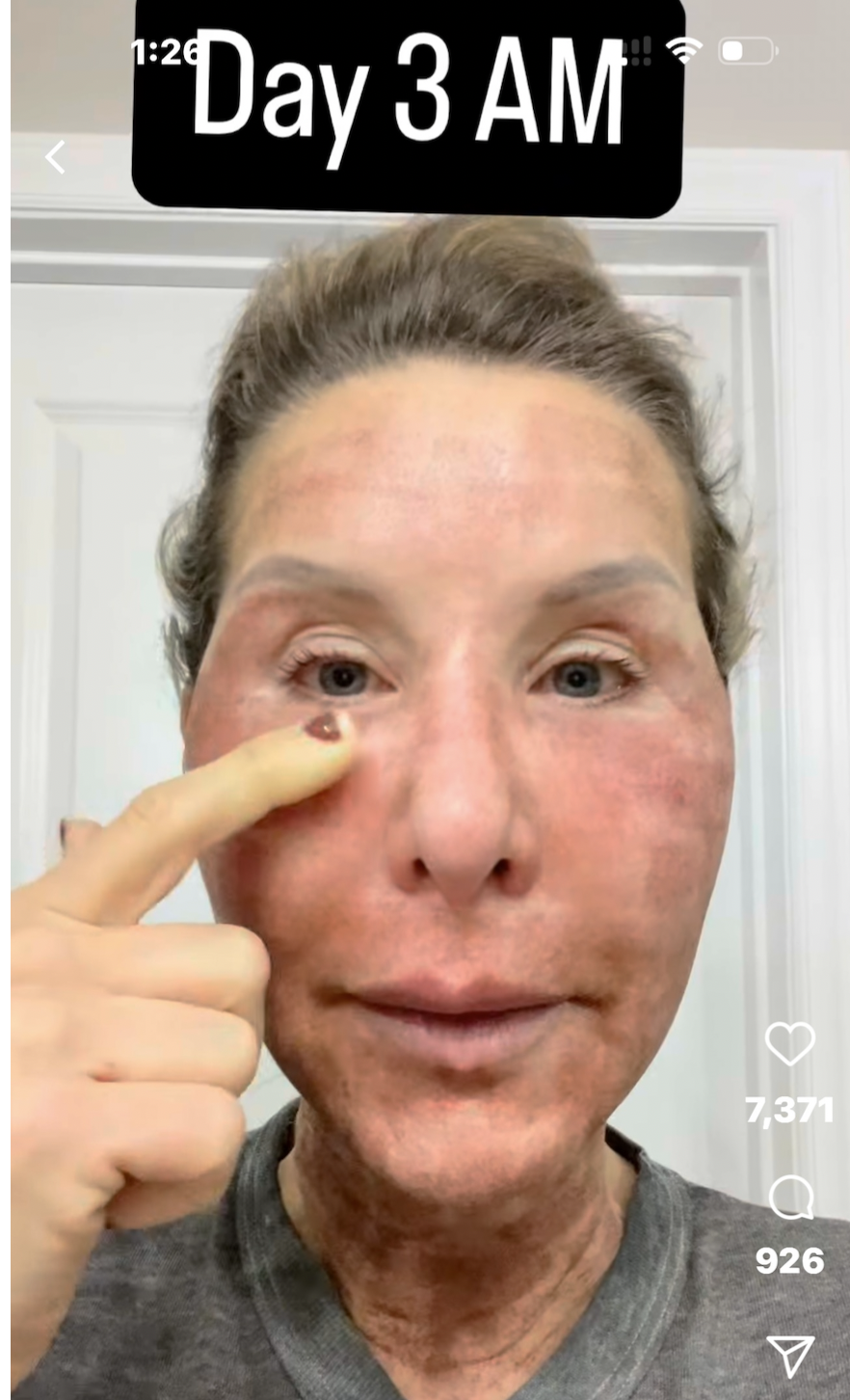
Around 2020, another surge followed with devices combining radiofrequency and microneedling. Adoption accelerated rapidly and peaked around 2025. But delivering RF energy below the skin’s surface—particularly in unskilled hands—introduced real risks, including scarring and tissue damage, prompting recent FDA warnings.

The Core Tech Stack

Despite the constant stream of “revolutionary” devices, the underlying technology hasn’t fundamentally changed. It still comes down to a few energy categories under different brand names:

•  Radiofrequency for deep tissue heating and skin tightening

•  Muscle stimulation using electromagnetic energy

•  Acoustic wave therapy, adapted from physical therapy, effective for cellulite

•  Ultrasound, useful on the body but riskier near facial nerves

•  Lasers, primarily superficial

Most new platforms are variations on these themes, marketed as breakthroughs despite incremental differences.

Business Realities: Bottles, Bills, and the One-Off Model

Injectables operate on tight margins. At $300–$600 per unit, providers must choose between being generous and eroding profit, or conservative and risking unhappy patients. Unlike traditional B2B businesses, aesthetics has no contracts. Every day starts at zero. Patients are in and out within an hour, and if no one walks in tomorrow, revenue stops tomorrow. Even surgery doesn’t solve this. Facelifts costing $30,000 to $250,000 don’t stop aging. Collagen and muscle decline roughly 2% per year after age 40, meaning even the most expensive surgery fades with time.

Manufacturers as the Hidden Competitors

One of the biggest challenges in aesthetics isn’t other practices—it’s the manufacturers. Devices costing hundreds of thousands of dollars are quickly followed by “upgrades” promising marginal gains. Direct-to-consumer marketing trains patients to demand the latest version, forcing providers onto a technology treadmill. Many devices now include planned obsolescence—limited pulse counts, mandatory service contracts, or pay-to-play models that create a permanent cost per treatment for the practice.

The Bottom Line

Aesthetics sits at the intersection of medicine, consumer desire, and marketing hype. Clinical innovation has been incremental, not revolutionary, despite what advertising suggests. Friends regularly send me the “next big thing.” It’s almost always a variation on energy sources discovered years ago. The winners in this business aren’t defined by who owns the newest machine, but by judgment, restraint, experience, and business fundamentals.

Old truths still apply. If a tree falls in the forest and no one sees it, it doesn’t matter how advanced the technology is. With devices capable of generating $1,000–$4,000 an hour, many assume aesthetics is an easy entry. It isn’t. Unlike B2B, you can’t put people under contract. The real challenge—now more than ever—is building a predictable, sustainable stream of clients. And no machine can do that for you.

About the Author

John has spent two decades running a non-surgical aesthetics practice in New York City. He also ran a notable graphic arts company retouching iconic brands and women—digitally doing what his current company now does physically—and contributed to developing and validating early PDF standards.

Precision Aesthetics | 10 West 74th St Suite 1A, New York, NY 10023 | http://www.PrecisionAestheticsMd.com

Not sure which treatment is right for you? Book a free consultation at Precision Aesthetics. We’ve been doing this for 20 years—honestly it aint easy unless you have been literally doing it for 20 years. Visit http://www.PrecisionAestheticsMd.com or call us 212 799 1411. A staff member with 20 years experience will answer your call 7 days a week. You might even get me.

Why New Year’s Resolutions Fail — and How to Do It Right

It’s New Year’s. What’s the easiest thing you can do? Let’s start there.

Take vitamin C and vitamin D3.
Vitamin D3 probably does more for your immune system, but vitamin C has the added benefit of helping your body make collagen. So make that a habit. How hard is that?

Then start small with movement.
Do a few push-ups. I don’t care how many. Touch your toes a few times. Just get in motion and build on it.

This is basic physics. Isaac Newton: an object in motion stays in motion.
So get in motion. Start something. Then incrementally build on it.

Where people fail is going for the big enchilada all at once.
“Zero to five miles a day.”
You don’t make it. And worse—you lose confidence because you didn’t do what you said you’d do.

What does work is incremental progress.

When I first started jogging, it was literally:
Can I make it to the first telephone pole?
Then the second.
Then two poles and a mailbox.
Then two blocks.
Then half a mile.
Then a mile.
Eventually, five miles a day.

It worked because it was incremental.

That’s my recommendation: incremental progress.
You’ll feel good. You’ll be proud of yourself. And you’ll actually succeed.

This goes against most advice. People say, “Shoot for the moon.”
I say, let’s go with physics and reality. Start small and build.

If the worst thing that happens is you do 10 push-ups a day for the rest of your life, that’s not a bad outcome.

P.S. I had to start all over again not that long ago. I couldn’t do a single push-up. Now I’m up to 50.

Incremental progress.
Let’s do New Year’s right.

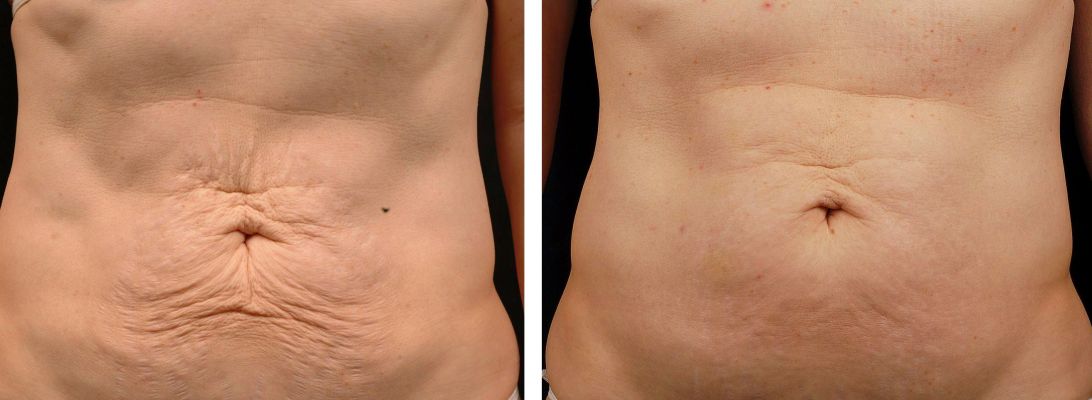
Thermage Before and After

Thermage before and after treatment, stomach or abdomen.

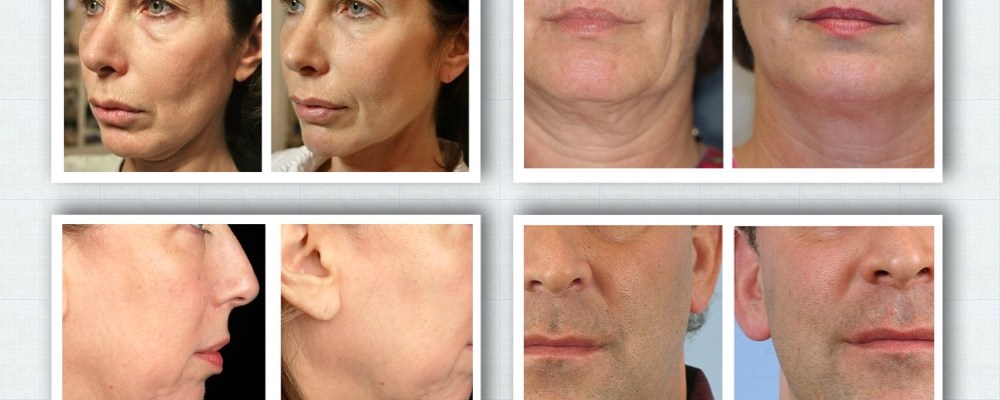
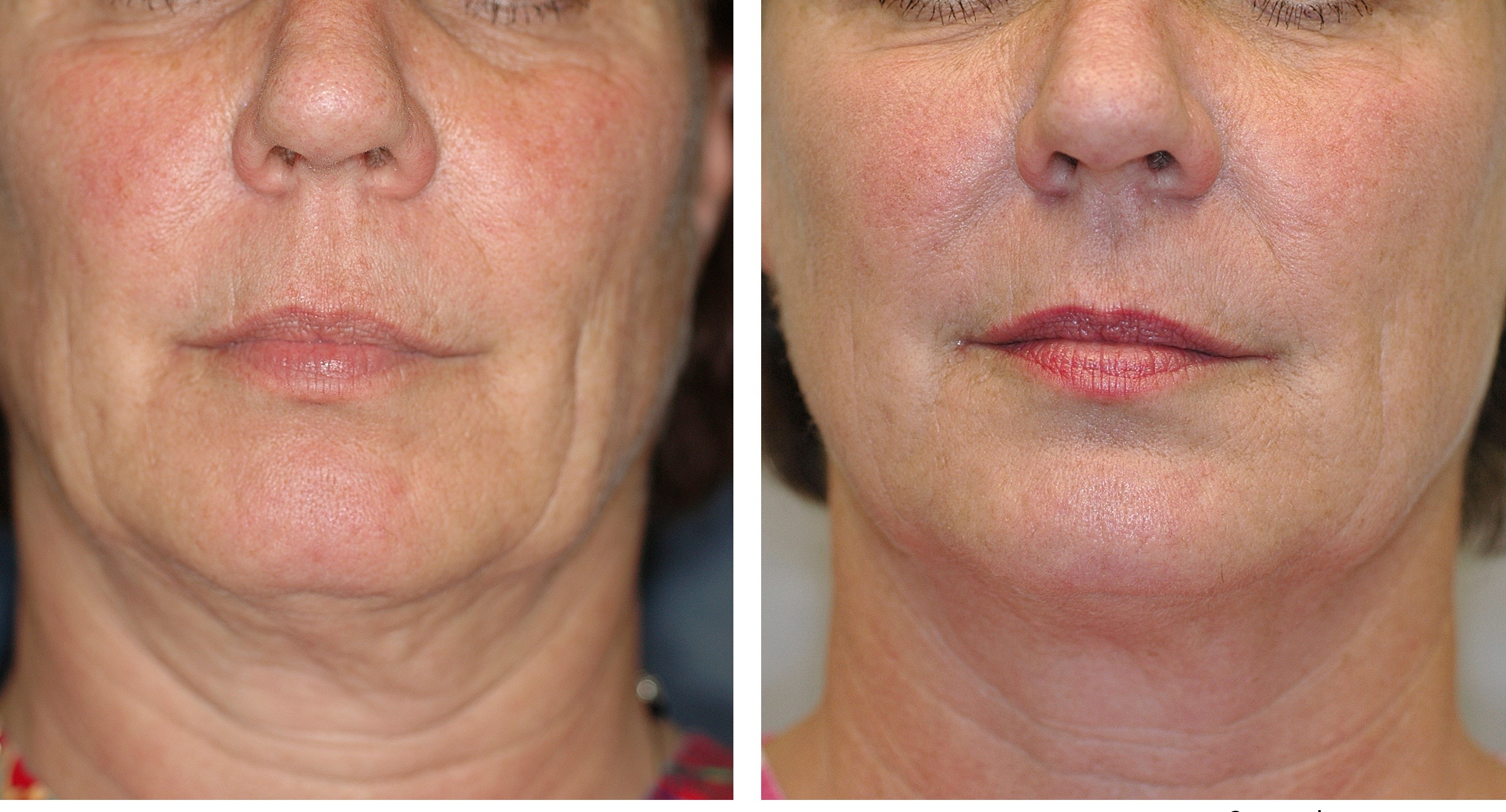
This is a perfect example of a thermage before and after. thermage is a great treatment for someone who had a baby or recently lost weight and has loose skin.  Because the treatment affects the collagen layer.  There is an immediate tightening. The collagen layer also holds back the fat ( by the way thats the first clue to understanding cellulite, it has everything to do with the collagen mesh that holds back fat but thats in another post)  So besides the immediate tightening long term your body is stimulated to grow more collagen which further tightens and smooths either your face or your body,  More thermage before and afters here

Non-Surgical Facelift Miracle

Before and After Thermage

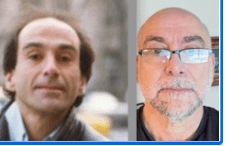
I think most people would expect that after 35 years, you’d see more loose skin, more loss of collagen, a saggy jawline—or at the very least, you’d look older. And from those who try to “look younger” we see disasters: botched facelifts, frozen faces that are overfilled with fillers, and unnaturally plumped-up cheeks. Let’s face it, we’ve seen it all.

With that in mind, let me show you something different—myself at 35 vs. 71. No surgery, no needles, no toxins, no fillers. We simply did what we do best at Precision Aesthetics. I started Thermage treatments in 2007. In my fifties, I might have done one or two. In my mid-sixties, I started doing it every other year, and now, I do it twice a year, along with Exilis, Emface, and Silk Peel.

I don’t mind revealing it because it takes a lot of skill and at least 20 years experience to operate these devices optimally. Thermage is a powerful deep radiofrequency device. Few people, if any, can operate it optimally for the best results. Very few have Silk Peel to infuse vitamins into the skin, or Exilis to add a little extra skin tightening. Even fewer have Emface—and know how to adjust it perfectly. You’d be surprised how different the left and right sides of your face are. There are countless vectors involved: the right temperatures, the number of pulses with all of the decvices I mentioned. I’ve read horror stories about people losing collagen in their cheeks or even getting burned.

A famous Beverly Hills plastic surgeon admitted to me they don’t even perform Thermage treatments. Another friend doesn’t use Ulthera. It’s a catch-22: the medical devices that get the best results can also make a mess out of your face. And no, the board-certified doctor is the last person you want treating you. Think about it—he or she is busy with surgeries or injectables. Do you really think they operate these technologies every day? Of course not. The Doctor is the least experienced person at the practice, when it comes to operating these technologies. They didnt go to medical school to operate these technologies.

Anyway, here I am—great results from a great combination of treatments. No retouching or anything, just a selfie in my living room vs. a photo a friend sent me.

Non Surgical Cosmetic Treatments: Do’s and Do’nts

First of all who am I to say? I founded Precision Aesthetics with Lisa A Zdinak, MD 17 years ago. I researched countless technologies and even traveled the world with Dr Zdinak when she was speaking at the Monte Carlo AntiAging Congress. While there we spent 3 days researching European technologies where we not only met the President of BTL ( Emsculpt, Emface, Emtone, Exilis and Emsella) but brought their first device to New York. We later helped them research and develop their cellulite busting technology. I have also interviewed 17,000 patients at length over the past 17 years as to what treatments they have tried, what worked and what didnt as their first point of contact with our practice.

Treatments to Avoid

CoolSculpting: Google “paradoxical hyperplasia” and “Linda Evangelista.” Paradoxical hyperplasia was noted as an adverse event in 2016 when the technology was first introduced, which is why we avoided it. It causes fat cells to multiply and harden, requiring surgical removal after a year. Linda Evangelista’s case is a notable example, resulting in a $50 million lawsuit.

IUlthera: Google “Ulthera lawsuits” and make your own decision. Class action lawsuits suggest significant issues. Ultrasound on the face seems to be problematic, with claims of nerve damage.

General Advice: Always search for any technology you’re considering alongside terms like “lawsuits” or “adverse events.” Adverse events must be reported to the FDA. Avoid any practice with less than 15 years of experience and prefer a doctor’s office over a med spa, which are often franchised and may not offer the same level of care and privacy.

Safe and Favorite Treatments

Emsculpt: While widely offered, the exact placement of the paddles, temperature, and intensity are crucial. Misuse can be dangerous, as demonstrated by cases of burns and potential harm to those with pacemakers. Exilis, which only melts fat and tightens skin without adding muscle bulk, is a favorite among informed individuals for being half the price.

Emface: This treatment also has suggested protocols and positioning, but intensity and temperature can vary.

Thermage: A top favorite at our facility, people fly in from all over the world for this one-time, non-surgical, one-hour, non-invasive facelift. Performing it effectively and safely requires a high degree of expertise, knowing the vectors, number of pulses in each area, and reaching the maximal effective temperature.

Exilis: Popular for safe body shaping and skin tightening using ultrasound and radiofrequency.

Emtone: Combines acoustic wave and radiofrequency for skin tightening and cellulite reduction.

The Real Sunscreen Secret? Less Damage, Fewer Appointments.


Let’s get real.
You don’t need sunscreen every second you’re outside.
In fact, 15 to 20 minutes of full-body sunlight without any sunscreen is actually good for you.
It helps your body make vitamin D, lifts your mood, and reminds your biology that you’re still human — not some indoor plant under LED lighting.
But after that?
It’s time to cover up. Literally.
Because the sun — right behind smoking — is the #2 destroyer of your skin.
And ironically, the more sun damage you get, the more you’ll pay people like me to fix it.
Which, honestly, I don’t mind… but you might.
UV rays break down collagen, stretch out elastin, and leave behind wrinkles, sagging, sun spots, and discoloration that you’ll be begging me to treat later.
And if you think I’m exaggerating — next time you’re in Florida, take a good look around.
See that super-wrinkled woman by the pool who looks 80?
She’s probably 50.
So here’s your no-BS plan:
Get your 15–20 minutes of natural sunlight every day — no sunscreen. You need it.
Then switch to a mineral sunscreen with zinc or titanium — not chemical junk that seeps into your bloodstream and messes with your hormones.
Or better yet, grab a hat, an umbrella, or a light shirt. These old-school tricks actually work.
Avoid sprays and powders that coat your lungs instead of your skin.
And if you have kids — don’t use chemical sunscreens on them, ever. Their systems are still developing, and they’re going to be around a lot longer than we are.
One more thing:
If you wouldn’t eat it, don’t smear it all over your face.
Protecting your skin doesn’t have to be complicated. But it does have to be smart.
The goal isn’t perfection — it’s less damage.
Less damage = fewer wrinkles, fewer sun spots, and — let’s be honest — fewer visits to me begging to undo what your beach week just did.
I love you either way. But your collagen doesn’t forgive as easily as I do.

Another Life Lost to a Brazilian Butt Lift (BBL)


Is It Really Worth the Risk?

Tragically, another young woman—a New Orleans police officer—has died following a Brazilian Butt Lift in Miami this past March centreforsurgery.com+15the-sun.com+15instagram.com+15. The cause: a pulmonary embolism, a well-known risk of transferring fat into deeper tissues.

Studies estimate that around 1 in 3,000 to 1 in 6,000 BBL procedures result in death—making BBLs among the most dangerous cosmetic surgeries. Even board-certified surgeons face this risk en.wikipedia.org+11cosmeticsurg.net+11the-sun.com+11.

The problem isn’t hype—it’s science:
When fat enters the bloodstream, it can travel to the heart or lungs, causing a fatal embolism. That’s the grim reality of a procedure marketed as glamorous.

And there’s no going back. Once that fat is injected, removal is nearly impossible—short of invasive surgery that can leave you disfigured.

The trend is also fast-changing.
Remember Twiggy? Barbie? The supermodel flat-belied ideal of the ’90s? Fashions change—so your decision should be timeless, not trendy.

What’s the alternative?
At Precision Aesthetics, we offer Emsculpt butt lifting—a non-invasive, entirely safe way to tone and lift using muscle stimulation.
No fat. No injections. No risk. Just stronger muscles that support your posture and shape.

We’ve performed over 20,000 non-surgical treatments in 20 yearswith zero serious complications. Our clients include media personalities and global professionals who go straight from our office to the camera, no downtime required.

Be smart. Choose safety over trend.
If you’ve got discretionary income and want to enhance your appearance confidently, we’re here for you.

But don’t risk your life chasing an aesthetic that’s here today and gone tomorrow.

Precision Aesthetics
Probably the safest place on earth to enhance your natural beauty.

Achieve Youthful Skin with Thermage: FAQs & Benefits

Everything You Want to Know About Thermage: The Ultimate Guide to Non-Invasive Skin Tightening

The Thermage revolutionized the aesthetic industry. As the first non-invasive skin tightening treatment it set the gold standard in the aesthetic industry. Known for its ability to deliver natural-looking results, Thermage was the first non-surgical technology to address skin tightening through the application of radiofrequency energy. It received FDA approval in 2001, making it a trailblazer in the world of cosmetic procedures.

For context, Thermage was pioneering non-surgical skin treatments nine years before other popular technologies like Exilis, 15 years before CoolSculpting, and 17 years before Emsculpt entered the market. Its early adoption of radiofrequency technology solidified Thermage’s place as a global leader in innovative products, offering safe, effective, and long-lasting solutions for patients looking to rejuvenate their appearance.

In this comprehensive guide, we’ll explore everything you need to know about Thermage, from its history and how it works to its benefits, costs, and how it compares to today’s technologies.

What is Thermage?

Thermage FLX is a non-invasive skin tightening treatment that uses radiofrequency energy to heat the deeper layers of the skin while protecting the outer layer. This process stimulates new collagen production, which reduces fine lines, smooths wrinkles, and tightens loose skin on the face, neck, and body.

Thermage FLX is the latest iteration of the Thermage technology, building on over two decades of innovation. Its radiofrequency technology ensures patient comfort and delivers noticeable improvements after a single treatment, with results that continue to improve over several months.

How Thermage Revolutionized Skin Tightening

When Thermage first received FDA approval in 2001, it introduced a groundbreaking approach to non-invasive skin tightening. By leveraging radiofrequency energy, it offered an effective alternative to surgical procedures like facelifts, which required significant downtime and came with greater risks.

Unlike other technologies available at the time, Thermage could penetrate the skin’s deeper layers to stimulate collagen production without damaging the outer layer. This innovation set the stage for other cosmetic procedures, but Thermage remains unique for its ability to provide natural-looking results with minimal discomfort or recovery time.

To put its influence into perspective:

  • Thermage debuted 9 years before Exilis, a popular radiofrequency treatment known for skin tightening and fat reduction.
  • It predated CoolSculpting, a fat-freezing technology, by 15 years.
  • It also came 17 years before Emsculpt, which uses electromagnetic energy to build muscle and burn fat.

Thermage’s early adoption of radiofrequency technology paved the way for many of the innovative products we see today in the aesthetic industry.

How Does Thermage Work?

The Thermage procedure uses a specialized tip attached to a handheld device to deliver radiofrequency energy to the skin. This energy heats the dermis (the deeper layers of the skin), causing existing collagen fibers to contract and triggering the body to produce new collagen over time.

The treatment is non-invasive, with no needles or incisions required. It also includes a built-in cooling system to protect the outer layer of the skin and ensure patient comfort during the procedure.

Key Steps of the Thermage Procedure:

  1. Preparation: The treatment area is cleaned, and a grid may be applied for precise energy delivery.
  2. Energy Delivery: The radiofrequency energy is delivered in pulses to the targeted area.
  3. Immediate Improvement: The heat causes existing collagen to contract, resulting in visible skin tightening.
  4. Long-Term Results: Over the next 2-6 months, new collagen growth enhances the skin’s texture, tone, and elasticity.

Benefits of Thermage

Thermage FLX offers a wide range of benefits for individuals seeking to improve their appearance without surgery:

  1. FDA-Approved Technology: The first of its kind, Thermage remains a trusted and proven treatment for non-invasive skin tightening.
  2. Immediate Improvement: Many patients see a noticeable difference after just one session.
  3. Long-Lasting Effects: Results can last up to 1-2 years with proper care.
  4. Versatile Treatment Areas: Thermage treats fine lines, frown lines, and wrinkles on the face, tightens vertical bands on the neck, and smooths loose skin on the body.
  5. No Downtime: Patients can return to their normal activities immediately after the procedure.

Treatment Areas for Thermage

Thermage is versatile, offering solutions for multiple treatment areas:

  • Face: Tightens sagging skin, smooths forehead lines, and enhances jawline definition.
  • Eyes: Reduces crow’s feet lines and improves hooded eyelids.
  • Neck: Addresses skin laxity and smooths vertical bands for a youthful look.
  • Body: Firms loose skin on the abdomen, thighs, arms, and knees.

Who is a Good Candidate for Thermage?

Thermage is ideal for people experiencing mild to moderate skin laxity who want a non-surgical solution to enhance their appearance. It’s particularly effective for individuals in their 30s to 60s looking to prevent or treat early signs of aging.

You may be a good candidate if:

  • You have fine lines, wrinkles, or loose skin.
  • You’re not ready for invasive procedures like a facelift.
  • You want long-lasting, natural-looking results.

How Much Does Thermage Cost?

The cost of Thermage varies depending on the treatment area and provider. On average, treatments range from $2,000 to $5,000. Larger areas like the abdomen are typically more expensive than smaller areas like the eyes.

While the cost may seem high, many patients find the results well worth the investment, especially considering the long-lasting effects and minimal downtime.

How Does Thermage Compare to Other Technologies?

Thermage is often compared to other skin tightening treatments, such as Ultherapy, CoolSculpting, and Emsculpt. Here’s how it stacks up:

FeatureThermage FLXUltherapyCoolSculptingEmsculpt
TechnologyRadiofrequency EnergyUltrasound EnergyCryolipolysis (Freezing)Electromagnetic Energy
Target AreaDermis + Outer LayerDeep DermisSubcutaneous FatMuscle + Fat
DowntimeNoneNoneNoneNone
Best ForSkin TighteningLiftingFat ReductionMuscle Building + Fat Loss

While newer technologies like CoolSculpting and Emsculpt focus on fat reduction and muscle building, Thermage remains the top choice for non-invasive skin tightening.

How Long Do Thermage Results Last?

Thermage results typically last 12 to 24 months, depending on factors like age, lifestyle, and skincare habits. Maintenance treatments are recommended every 1-2 years to sustain the effects.

Why Thermage FLX is a Global Leader

Thermage FLX has maintained its status as a global leader in non-invasive skin tightening for over two decades. Its pioneering use of radiofrequency energy to stimulate new collagen production set the stage for the development of today’s most popular aesthetic treatments.

By consistently delivering natural-looking results with minimal downtime, Thermage remains a trusted choice for patients and doctors alike. If you’re looking to rejuvenate your skin and enhance your appearance, Thermage FLX offers a safe, effective, and proven solution.

Take the first step toward tighter, smoother skin by consulting a qualified doctor today. Let Thermage help you achieve the youthful appearance you’ve always wanted—without the need for surgery!

Precision Aesthetics, led by the esteemed Dr. Lisa A. Zdinak, has consistently set the standard for excellence in non-surgical skin tightening, earning both the Pinnacle and Black Diamond Awards multiple years in a row. These prestigious honors are awarded only to the top-performing providers of Thermage treatments worldwide, a testament to their expertise and high volume of successful procedures.

To qualify for these awards, a practice must use over $150,000 in Thermage consumables annually, reflecting their deep commitment to patient care and mastery of the technology. This impressive achievement underscores the trust and loyalty Precision Aesthetics has built with its patients.

Dr. Zdinak herself is not only a pioneer in non-surgical aesthetics but also an international lecturer for Thermage, sharing her expertise with practitioners across the globe. Her knowledge and experience ensure that Precision Aesthetics remains at the forefront of the aesthetic industry, consistently delivering cutting-edge treatments with natural-looking results.

Patients seeking skin tightening treatments at Precision Aesthetics can rest assured they are in the hands of one of the most accomplished and recognized providers in the world. The combination of innovative technology, a highly experienced team, and a commitment to excellence makes Precision Aesthetics a global leader in non-invasive skin rejuvenation.

Still You—Just Lifted, Tighter, and Timeless

Emface

Not quite your younger self anymore?

You catch your reflection and think, That’s not the face I remember. You haven’t changed inside—but gravity, stress, and time have quietly altered your appearance.

You’re not alone. And you’re not imagining it.

But here’s the truth:
You don’t need to look younger—you just want to look like you again. Clearer. Firmer. More confident.


Thinking About a Facelift?

You’re not the only one.
But you’re also not alone in hesitating.

  • The thought of surgery is overwhelming.
  • The downtime doesn’t fit your life.
  • And the fear of not looking like yourself again is real.

What if there were another way?
What if you could lift and tighten without going under the knife, and without the “done” look?


The Problem: Too Many Options, Too Much Noise

Ultherapy. Threads. RF. Lasers. Fillers. Ultrasound. Microneedling.
It’s a blur of names and devices—and no one seems to explain how it all works or who it’s really for.

That’s where we come in.


The Precision Aesthetics® Solution

We’ve spent over 20 years cutting through the confusion and perfecting the art of non-surgical facial lifting. Our signature method blends the three most effective, medically tested technologies—customized to your skin, muscle tone, and goals.

The Three Elements of Our Non-Surgical Facelift:

  1. Deep Collagen Stimulation – Helps rebuild your skin’s internal scaffolding for long-lasting structure.
  2. Muscle Toning and Lifting – Revives the natural lift of your cheeks, jawline, and brow using medical-grade tech.
  3. Surface Skin Tightening – Smooths, firms, and brightens with zero needles and zero downtime.

No scalpels. No fillers. No toxins. No recovery time.
Just a smarter way to restore your face—naturally.


Why Precision Aesthetics?

  • Over 20,000 treatments performed
  • Private, discreet doctor’s office in New York City
  • No franchises, no gimmicks, no upselling
  • Zero complaints in 20 years
  • Trusted by doctors, models, actors, and international clients

We don’t do everything. We specialize. And we tell you the truth about what works—and what doesn’t.


Ready to See What’s Possible?

You don’t need to commit to anything.
You just need to start the conversation.

Call now for a free, private consultation with a 20-year expert.
Or follow our results and behind-the-scenes insights on Instagram.

📞 212-799-1411
📲 Follow us on Instagram

Free anonymous 15-minute phone consultation—now or after hours.

DO THIS

You want the best you can get without surgery or anything invasive. Who wouldnt be happier with less wrinkles an tighter skin. This is just one treatment. We combine 3 Although the women who do all three are way to wealthy to show their face, so you have to settle for mine.

You can walk out of our office and straight on camera, not hide out in your basement for god knows how long, and will you be permanently scarred?

Dont Do This.

Its self explanatory