No one sees you or your zit. Stop being self conscious

Emface

Everyone is self conscious. Its a universal condition. I was lucky my mother told me when I was very young that all you have to do is listen to people and make them feel comfortable. I grew up poor, my father was always trying to build a business and pretty much never took salary or a few hundred dollars a week.

Thank god there was no designer brands when I was in High School. That phenomena started in the seventies by Ralph Lauren, so I didnt have that pressure. I do remember my grey gym uniform got washed with my sisters red sweatshirt, so I had a pink gym uniform for 3 years. No one was spending $10 for a new tshirt, shorts and sweats, it was out of the question. My mother didnt have any designer clothes, but as my father’s business grew successful, they landed up going to the nicest hotels in the world, for business conferences. My mother with whatever dress she made or inexpensive off the rack clothes she had was present to the fact that everyone is so busy being self conscious, all you have to do is make them feel comfortable and they will love you for it.

So move over Anthony Robbins, my mom was a brilliant guru in influence mastery. To this day I do my best to not look too shitty before I leave the house, for about 5 minutes. But when its go time, I remind myself, my only job is to look at other people and notice them, not be worried about if I have a nose hair or something out of place, because they are so busy worrying about something I dont see, that they dont see my perceived imperfection. It was truly inspirational advice and I wanted to share that with you. Assuming you dont walk out of the toilet with toilet paper hanging from your pants or dress, no one will notice your perceived imperfection. I am reminded about how every teenager was so self conscious if they had one pimple.

Again I am also so happy that I pretty much got lucky in that area, but you know what I love even more? If you are the CEO of a trillion dollar company the dress code is black t shirt, Whoo hoo! Nothing could make me happier. Remember the old advice if you are giving a speech picture the audience naked? Well I say picture them all sitting on a toilet trying to squeeze one out, because every single one of us and them have been there.

The Resistance takes longer than the Doing

The Real Time-Waster: Resistance or Action?

Have you ever noticed how the time spent resisting a task often far exceeds the time it would take to actually do it? Call it what you will—stress, friction, apprehension, or even “preparation.” But let’s be honest: more often than not, it’s procrastination in disguise.

Yes, good preparation is important, but I’d bet any amount of money that what most of us are doing is not true preparation. It’s procrastination. We’ve all been there—whether it’s making a cold call for a real estate listing, reaching out to a doctor’s office to sell equipment, or contacting a bar to pitch a product. The actual task takes mere seconds. And yet, many of us spend hours—sometimes even days—dragging our feet before we finally do it.

Nike had it right with their slogan, “Just do it.” But here’s the twist: this mindset applies even more to business than it does to sports. Think about it. How many times have you hesitated on making that first move in a business venture, like buying a piece of real estate? I’m certain that every single person reading this can reflect back on a property or a home they didn’t buy 20 years ago, which has since quadrupled in value.

Here’s an example we can all relate to: taxes. Everyone talks for months about “doing their taxes.” When it finally happens, it’s usually just five minutes of downloading 1099s and a W-2. Yet, we manage to procrastinate so much that some of us end up filing for an extension or even paying a late penalty.

The point of this post is simple: Just do it. Be present to the absolute fact that you waste more time in resistance than you do in the actual doing. Recognize when you’re caught up in the cycle of procrastination, and remind yourself that the task at hand is likely much easier and quicker than you’ve built it up to be.

So, the next time you find yourself hesitating, stop. Take a breath, acknowledge the resistance, and then take that first step. You’ll find that the doing is often far less painful—and far more rewarding—than the resisting.


Skin Tightening Non Surgical Face Lift

Thermage has been around since 2001. It is still the best, safest, most effective one time non surgical thing you can do for you face. So I wrote a tiny book with everything you need to know. I dont believe in wasting your time.

For more information, ask questions, speak to a staff member, schedule a complementary consultation call 212 799 1411 or go to http://www.precisionaestheticsmd.com Most Experienced Thermage Provider since 2007.

Page 1 Audio Above

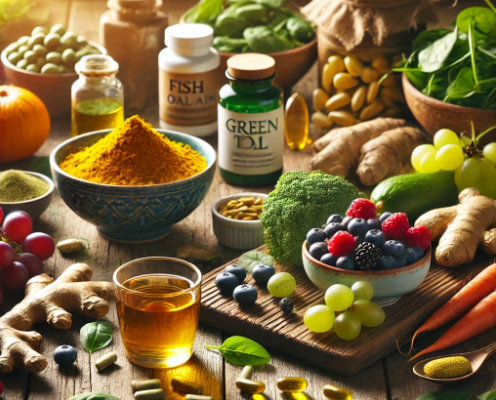
Top Anti-Inflammatories to Ward Off Arthritis and Inflammatory Issues

Inflammation is the body’s natural response to injury or illness, but chronic inflammation can lead to a host of health problems, including arthritis and other inflammatory conditions. Fortunately, there are several natural anti-inflammatories backed by evidence-based research that can help manage and reduce inflammation. Below is a list of some of the top anti-inflammatories that may support your journey toward better health.

Note from John:

For those who don’t like to read or just want the quick version (hey, we’re all a bit lazy sometimes), here’s my cliff notes or “quickie for dummies”:

When I worked with Oz Garcia, I had the job of writing vitamin labels. This wasn’t just a matter of slapping on some buzzwords—I had to back every claim with solid studies, which then went through a rigorous review by the nutritionist and legal team at the vitamin manufacturer. One of our big projects was creating the Longevity Pak, which even Hillary Swank raved about. I also wrote individual labels, and let me tell you, the easiest one to write was for fish oils. The benefits are practically endless: they start with the brain, move down to the heart, and cover the whole body’s inflammation issues. When it comes to fish oils, focus on Omega-3s—trust me, we already get more than enough Omega-6s in our diet. Funny enough, they used to sell products boasting Omega-3, 6, and 9, but really, just stick with Omega-3s.

If you’re going to pick one supplement, Omega-3s would be it. My second favorite? Turmeric or curcumin. Over 25 years ago, I used to buy organic turmeric powder (the kind sold for seasoning) and mix half a teaspoon with water. I don’t recommend it—it tasted awful! But do be careful about the source.

As for resveratrol and SAMe, they’re way too pricey. One of my favorite go-to doctors, who was on Steve Jobs’ medical team and has a PhD in nutrition and biochemistry, told me resveratrol isn’t worth it. I don’t have two PhDs, so I take his word for it.

Everyone is vitamin D deficient—even my friends in Florida. That says a lot because vitamin D is crucial for so many things. Magnesium is another essential; it’s involved in everything from energy production to relaxing your muscles. Most of us need it. Start there, and remember, we are all biologically unique—or as Joshua Rosenthal coined it, we have “bio-individuality.” So, pay attention to what works for you.

PS: If you want to see Oz Garcia in person, be prepared to shell out $25,000 just to walk through the door. The first thing he’ll ask you to do? Write down everything you eat for a week. Duh. Not only are we biologically different, but we also all have different diets. You can’t hire someone to follow you around for a week to track your meals. Well, actually, you can—Oz does one-week retreats with his billionaire clients. But assuming most reading this aren’t in that category, you’ll need to track what you eat and how you feel. Personally, I use an Excel sheet to track my supplements and medications (I take testosterone and growth hormone). It’s essential for reference.

1. Turmeric (Curcumin)

Curcumin, the active compound in turmeric, has been extensively studied for its anti-inflammatory properties. It works by inhibiting several molecules involved in inflammation, such as NF-kB, COX-2, and TNF-alpha. Curcumin has shown effectiveness in managing inflammatory conditions like arthritis.

2. Omega-3 Fatty Acids (Fish Oil)

Omega-3 fatty acids, particularly EPA and DHA found in fish oil, are powerful anti-inflammatories. They reduce the production of inflammatory cytokines and eicosanoids, providing relief from joint stiffness and pain, particularly in rheumatoid arthritis.

3. Ginger

Ginger contains bioactive compounds such as gingerol and shogaol, which are known for their anti-inflammatory effects. Research shows that ginger can significantly reduce inflammation and pain in conditions like osteoarthritis.

  • How to Use: Ginger can be consumed fresh, dried, or in supplement form. A common dose is 1-2 grams of ginger extract daily.
  • Learn More: Journal of Medicinal Food

4. Green Tea (EGCG)

Green tea, rich in epigallocatechin gallate (EGCG), is a potent anti-inflammatory and antioxidant. It has been shown to reduce inflammation and cartilage degradation in arthritis.

  • How to Use: Enjoy 3-4 cups of green tea daily or take 400-800 mg of EGCG as a supplement.
  • Learn More: Journal of Nutrition

5. Resveratrol

Resveratrol, found in red grapes, berries, and red wine, has anti-inflammatory properties. It works by inhibiting NF-kB and other inflammatory pathways and is studied for its potential to reduce inflammation in arthritis and cardiovascular disease.

6. Boswellia Serrata (Indian Frankincense)

Boswellia Serrata is known for its anti-inflammatory effects, particularly in osteoarthritis. The active compounds, boswellic acids, inhibit the 5-lipoxygenase enzyme, reducing inflammation and pain.

7. Bromelain

Bromelain, an enzyme found in pineapples, has anti-inflammatory properties and is particularly effective in reducing inflammation from soft tissue injuries and osteoarthritis.

  • How to Use: Bromelain is typically taken in doses of 500-2,000 mg daily.
  • Learn More: Planta Medica

8. Capsaicin

Capsaicin, the compound that gives chili peppers their heat, reduces inflammation and pain by depleting substance P, a neuropeptide involved in pain transmission. It is commonly used for osteoarthritis pain relief.

  • How to Use: Capsaicin is available in topical creams, with concentrations ranging from 0.025% to 0.1%.
  • Learn More: Pain Journal

9. Vitamin D

Vitamin D is essential for immune function and inflammation regulation. Low levels of vitamin D are associated with higher inflammation and an increased risk of autoimmune diseases like rheumatoid arthritis.

10. Quercetin

Quercetin is a flavonoid that has powerful anti-inflammatory effects. It works by inhibiting inflammatory cytokines like IL-6 and TNF-alpha, making it a beneficial supplement for reducing chronic inflammation.

11. Alpha-Lipoic Acid (ALA)

Alpha-lipoic acid is an antioxidant that helps reduce inflammation by neutralizing free radicals. It is particularly effective in reducing inflammation in people with metabolic syndrome and diabetes.

12. S-adenosylmethionine (SAMe)

SAMe is a compound naturally produced in the body that plays a role in reducing pain and inflammation in osteoarthritis. It also supports joint health by promoting cartilage production.

13. Magnesium

Magnesium is involved in many bodily processes, including the regulation of inflammation. It helps lower levels of CRP (C-reactive protein), a marker of inflammation, which can reduce the risk of chronic inflammatory diseases.

14. Vitamin C

Vitamin C is a powerful antioxidant that neutralizes free radicals, reducing inflammation. It also supports immune function and is essential for collagen production, which is vital for joint health.

  • How to Use: While the RDA for vitamin C is 90 mg for men and 75 mg for women, higher doses (500-1,000 mg) are often recommended for their anti-inflammatory benefits.
  • Learn More: Nutrients Journal

15. Zinc

Zinc is crucial for immune health and has anti-inflammatory properties. It helps modulate the immune response and reduce inflammatory cytokines, which can be beneficial in managing chronic inflammatory conditions.

  • How to Use: The RDA for zinc is 11 mg for men and 8 mg for women, though supplements typically provide higher doses (15-30 mg).
  • Learn More: Biological Trace Element Research

Conclusion

Incorporating these natural anti-inflammatories into your daily routine can support your body’s ability to manage inflammation, potentially preventing or reducing the severity of conditions like arthritis. Always remember, before starting any new supplement, it’s important to consult with a healthcare provider, especially if you are managing a chronic condition or are on medication.


Disclaimer: The information provided in this blog post is for educational purposes only and should not be considered as medical advice. Always consult with a qualified healthcare professional before starting any new treatment or supplement regimen. Individual results may vary, and what works for one person may not work for another. The statements in this post have not been evaluated by the Food and Drug Administration (FDA). These products are not intended to diagnose, treat, cure, or prevent any disease.


Politics? Everything You Need to Know: Dont

Has There Ever Been an Election Won by One Vote?

Consider this: has there ever been an election won by a single vote? Yet, some are willing to sacrifice friendships and family relationships over political disagreements. If it’s not your job to engage in political debate, what are you thinking? You’re not going to change anyone’s mind. Politics is deeply personal. Are you a business owner or a union worker? Your political views might differ for perfectly understandable reasons.

Politics at the Core of Being

Politics touches the core of our being. As the Sedona Method states, the core wants in life are security, control, approval, oneness, and separation. Politics is intertwined with these fundamental desires, which is why people become so heated. Many feel that if the “other guy” wins, their very existence is threatened.

A Global Perspective

Here’s a news flash: over a billion people live in Communist China. A friend recently returned from visiting the poorest people in rural China, where one household of five men shared a single pair of pants. Yet, she noticed that despite their poverty, people smiled more there than in New York. The point is, both sides in our political spectrum fear that if the “other guy” wins, our country will become as authoritarian as North Korea or China. But guess what? In Communist China, people seem happier than we do.

Is It Worth It?

This is about as extreme an example as I can give to make my point: is it really worth losing a friendship or family relationship over political disagreements? Perhaps it’s time to rethink what’s important in this world.

The Reality Check

P.S. Both sides in politics become multimillionaires after just a few years of earning $150,000 annually. How does that happen? The system is corrupt, and both sides are benefiting from it. Remember, you’re not going to change anyone’s mind, and even if you did, that one vote won’t change an election. If you’re on a stage with thousands of people listening, by all means, make your case. But one-on-one? You’re just being foolish if it’s not your job.

Final Thought

Next time you find yourself in a heated political debate with a loved one, take a step back and consider what really matters. Is winning the argument worth losing the relationship? Probably not. You’re not going to convince them, and even if you did, it wouldn’t change the outcome of the election. Focus on what unites you rather than what divides you, and you might find more peace and happiness in your interactions.

Channel Surfing for Perspective

Here’s another thought: I’ve often asked my closest friends to swap TV channels for a week so we can have a more balanced discussion about politics. Every single one of them has refused. My sister tried the same with her friends and got the same hard no.

This is simply ignorant. I often channel surf to understand what everyone is thinking. I learned this in 1990 during Gulf War 1. I watched Fox News, which regaled a successful bombing mission in Iraq with many enemy casualties. Then I surfed to CNN, where they described the same mission as unsuccessful because of civilian casualties. Al Jazeera reported that Americans had bombed a school. All these outlets were talking about the same mission.

So, if today you’re hearing completely opposite messages from different channels, wake up. Both sides claim that the other’s victory would mean the end of democracy. My advice? Stop listening to the noise and ask yourself which policies align with your best interests. It’s not that complicated. People’s views will naturally differ, and that’s okay. Have some respect and empathy for others—they’re simply reacting to what they’re hearing.

A Final Observation

News anchors on both sides earn up to $30 million a year to read a teleprompter. I’d bet that anyone reading this would happily do the same, even for their most hated political stance, if offered that kind of money. As long as we continue to be pawns in the clickbait game that fuels these obscene salaries, the hyperbolic reporting will continue.

A friend of mine runs a blog about SEO (Search Engine Optimization). When he wants more traffic, he posts something political. The anger and hate he stirs up generate a flurry of comments and activity. And that, my friends, is the game we’re all caught in.

Give Me One Minute, I’ll Give You the World

What if you could just do something for one minute a few times an hour that would change your life? It’s that simple, and I’m going to prove it to you.

First, let me share a little secret: I’ve managed to stay fit and healthy by being lazy. My friends used to make fun of me for my quick gym visits. They’d say, “John, I was at the gym an hour before you. You came in, gave air kisses to three girls, worked out for 10 minutes, and left, while I spent a total of 1.5 hours here.” But guess what? I look great, and they don’t. Why? Because while they dread going to the gym for an hour, I go every day for just 10 minutes. It’s easy to go every day when it’s only for 10 minutes!

Now, let’s take this practice to an extreme. Consider Jack LaLanne, the father of exercise, who started the first gym in 1939. Back then, he gave women a series of simple home exercises. What if we went back to the future and did simple things all day long?

I recently went to physical therapy for my neck and started doing small exercises here and there. My posture improved, my range of motion increased, and it turns out we can burn between 3 and 10 calories a minute depending on the activity. So let’s settle on 5 calories a minute for simplicity. If you’re awake for 16 hours a day and do something for just one minute every 20 minutes, that’s 48 times a day. Multiply that by 7 days a week, and you’re burning an extra 1,680 calories a week, which translates to around 2 pounds of weight loss a month or 25 pounds a year. Plus, you’ll be more flexible, feel younger, and be in less pain.

Who wants to join me?

What about success? What if you made that one important phone call that only takes a minute? You know the one you have been avoiding for 3 weeks, while you were busy organizing your files. What if you took another 5 minutes each day to do the most important things you need to do? Most of those calls will go to voicemail, taking just 30 seconds. Send a text, comment on Instagram—each of these actions could change your life, and they all take less than a minute.

One minute is all you need to say no to temptations. I used to take clients to lunch every day at the best restaurants in New York. My mind might have been thinking vodka gimlet, fillet mignon and a chocolate mousse pie for dessert, but the words that came out of my mouth were broiled fish and salad and club soda with lime. Sure I wanted to call the waiter back and change my order, but that feeling passed. That afternoon I’d feel great while jogging 5 miles. We buried many a salesman who spent the afternoon at the infamous Palm Restaurant in New York drinking their way to cirrhosis of the liver. Just a few seconds of self discipline helped me navigate decades of taking people to lunch and not getting fat, drunk or dead.

Ever notice that cravings pass in about five minutes? The initial action only takes a minute. Just get up, stretch, make the call, drink water. There are endless things you can do in less than a minute that will change your life. I’m not asking you to go to the gym or walk 10,000 steps. I’m only asking for one minute here and there, and it will add up.

Here’s a math test: What’s longer, one minute three times each waking hour or 30 minutes of exercise? Duh—assuming you’re awake 16 hours a day, that’s 48 minutes versus 30 minutes. This is the lazy person’s way, my way, to stay healthy, happy, and wealthy.

One last test: What’s more effective, 30 minutes of meditation in the morning followed by 17 hours of endless mind chatter, or a peaceful, reflective day where you let go of negative thoughts and reactions? I live my life in peace. The average person thinks 60,000 to 80,000 thoughts a day, mostly negative and repetitive. That’s no way to live. Start by giving me just one minute, and we can change our lives together.

Now, if I can just take a minute to figure out how to open up the comments so I can get comments and we can have more fun.

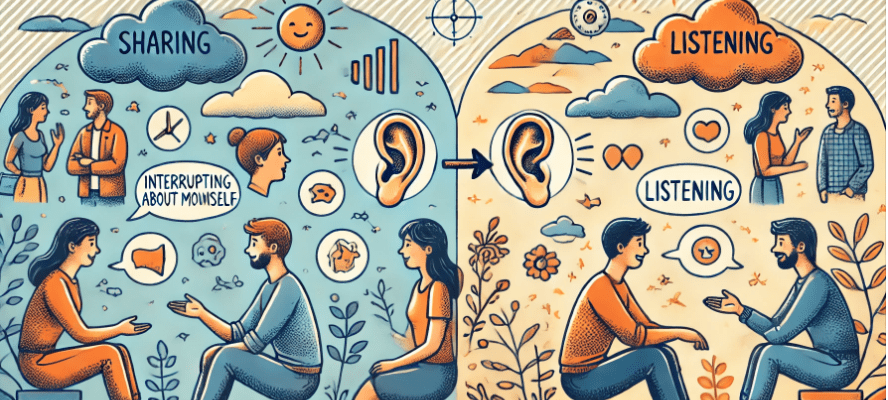
Sharing is Not Listening & The Power of Mini Outcomes

In our quest to build stronger relationships, two powerful concepts often get overlooked: the distinction between sharing and listening, and the importance of being mini outcome-oriented. These ideas, when understood combined and applied, can transform how we connect with others, especially our loved ones.

The Misconception: Sharing is Listening

It’s easy to confuse sharing with listening. We might believe that talking about our day, our experiences, or our thoughts is a way of connecting with others. While sharing has its place, it is not synonymous with listening. Listening requires presence and silence, allowing the other person to feel truly heard and valued.

Key Points:

  1. Presence Over Sharing: When our goal is to build closer rapport with a child, friend, or partner, listening takes precedence over sharing. True connection is often found in the silent spaces where the other person feels acknowledged and understood.
  2. Purpose of Interaction: Every interaction, even a quick chat, has a purpose or a mini outcome. If the goal is to make someone feel loved and appreciated, then listening is far more effective than sharing about oneself.
  3. Counterproductive Sharing: Interrupting or butting into a conversation with our own stories or thoughts can undermine the goal of making someone feel valued. It shifts the focus away from them and back to us, which can be counterproductive.

Being Mini Outcome Oriented

Why isn’t everything outcome-oriented? More specifically, why don’t we adopt a mini outcome-oriented approach in our interactions? Mini outcomes refer to small, specific goals that guide our actions and conversations. By focusing on these, we can enhance the quality and impact of our interactions.

Key Points:

  1. Defining Mini Outcomes: A mini outcome is a clear, small goal for an interaction. For example, if you’re having a five-minute phone call with a friend, the mini outcome might be to make them feel appreciated.
  2. Clarity and Intention: By defining mini outcomes, we bring clarity and intention to our interactions. This helps us stay focused and ensures that our actions align with our goals.
  3. Higher Purpose: While this approach might seem serious and business-like, it serves a higher purpose: sharing the love and appreciation we have for our loved ones. When we listen more and share less, we create a space for others to feel genuinely valued.

The Transformative Power of Listening

Listening, in its truest form, is a powerful act of love and presence. It goes beyond mere silence; it’s about being fully present and engaged with the other person. This type of listening can lead to profound connections and deeper relationships.

Personal Reflections:

  1. Experiences and Acknowledgements: I’ve experienced astonishing life-altering acknowledgements and feedback from people who already appreciated my presence in their lives. Yet, with each distinction and focus on listening, these connections have taken quantum leaps.
  2. Learning and Growth: Interacting with friends and partners who are also committed to learning and growth has shown me the magic of deep connections. By focusing on listening and being present, we uplevel each other and find joy in every moment, regardless of circumstances.

Conclusion

Sharing and listening are not the same. When our goal is to build stronger, more meaningful relationships, we must prioritize listening and adopt a mini outcome-oriented approach. By being present and silent, we create a space for others to feel truly valued and loved. This simple yet powerful shift can transform our interactions and deepen our connections with those we care about most. Would you be willing to try it? To listen more, share less, and see the magic unfold in your relationships?

The Paradox of False Humility, Narcissism, and Hidden Talents

In today’s world, we often witness a curious paradox. Some individuals with minimal contributions proudly declare their greatness, while others, endowed with remarkable gifts, hesitate to share them, fearing they might overshadow the divine or seem boastful. This paradox raises profound questions about humility, narcissism, and our responsibility to use our talents for the greater good.

False Humility: A Mask for Inaction

False humility often disguises itself as modesty, but in reality, it can be a barrier to action. When we downplay our abilities, attributing them entirely to external factors or divine intervention, we might believe we are being humble. However, this mindset can prevent us from acknowledging our unique contributions and taking ownership of our actions.

Key Points:

  1. Underestimating Self-Worth: People with false humility often downplay their achievements, believing they are unworthy or incapable of making a significant impact.
  2. Fear of Arrogance: The fear of being perceived as arrogant can lead to inaction. By not sharing our gifts, we miss opportunities to inspire and help others.
  3. Divine Credit: While it is essential to recognize a higher power in our lives, we must also acknowledge that our talents are given to us to be used, not hidden.

Narcissism: The Empty Vessel

On the other end of the spectrum lies narcissism, where individuals with little to offer loudly proclaim their superiority. This behavior stems from a need for validation and attention, often masking deep-seated insecurities.

Key Points:

  1. Self-Promotion: Narcissists are skilled at promoting themselves, regardless of their actual contributions. This behavior can be misleading and create a false sense of competence.
  2. Insecurity: Underneath the bravado, narcissists often struggle with feelings of inadequacy, seeking external validation to fill an internal void.
  3. Impact on Others: This behavior can demotivate genuinely talented individuals, leading them to question their own abilities.

Hiding Behind Inaction: A Lost Opportunity

Many people with extraordinary talents hesitate to share them, believing they are not giving credit to God or fearing they might appear boastful. However, this inaction can deprive the world of their unique contributions and potential impact.

Key Points:

  1. Misperception of Humility: True humility involves recognizing our talents as gifts and using them to serve others, rather than hiding them out of fear.
  2. Responsibility to Share: If we believe our talents are divinely bestowed, it becomes our responsibility to use them for the greater good.
  3. Helping Others: By sharing our gifts, we can inspire, uplift, and help others in ways we might never anticipate.

Finding the Balance

Balancing humility, self-recognition, and action is key to making a positive impact. Here are some ways to find that balance:

  1. Self-Reflection: Regularly reflect on your abilities and contributions. Recognize your strengths and areas for growth without diminishing your self-worth.
  2. Gratitude and Acknowledgment: Acknowledge your talents as gifts, and express gratitude for them. Understand that using these gifts is a way of honoring their source.
  3. Purposeful Action: Use your talents with the intention of serving others. Focus on the impact you can make rather than the recognition you might receive.

Conclusion

Navigating the complex interplay between false humility, narcissism, and our responsibility to use our talents is challenging but essential. By understanding these dynamics, we can better appreciate our gifts, use them purposefully, and inspire others to do the same. In doing so, we honor both our abilities and the source from which they come, making a meaningful difference in the world.

John’s Hierarchy, Not Maslow: Feel, Do, Be

It’s simply: Feel, Do, Be. Feeling being the lowest? Huh? Yes, if you operate solely by your feelings, you are no different than animals or a baby. Thats when you have those days when you feel like you are being bounced around in a pinball machine. Not good. Yet, this becomes a bit paradoxical because at our highest level of being, we are indeed feeling. So let’s break it down and see if we can integrate it all.

Feeling, Doing, Being: A Hierarchy of Living Life

In our journey through life, we often navigate different stages of existence, each with its own set of challenges and rewards. One way to conceptualize this journey is through the hierarchy of feeling, doing, and being. These stages represent a progression from basic emotional responses to purposeful actions, and ultimately, to a state of mindful existence.

Feeling: The Foundation of Experience

At the most fundamental level, our lives are driven by feelings. Emotions are the immediate, often instinctive responses to our surroundings and experiences. They form the foundation of our interactions with the world, influencing our decisions and actions. While living in the realm of feeling can be intense and overwhelming, it is an essential part of our humanity. Embracing and understanding our emotions is the first step towards personal growth. It becomes a challenge to respond vs react, and often purposeful action becomes elusive.

Doing: The Stage of Action

As we move beyond mere feelings, we enter the stage of doing. This is where our actions take shape, driven by goals, responsibilities, and ambitions. Emotional maturity kicks in, and we do regardless of how we feel. Doing involves applying our emotional insights to create tangible outcomes. It is in this stage that we build our careers, nurture relationships, and contribute to society. While doing is often associated with productivity and achievement, it is also about finding purpose and meaning in our daily activities.

Being: The Pinnacle of Existence

The final stage, being, is about achieving a state of mindfulness and authentic existence. It transcends the immediate reactions of feeling and the purposeful actions of doing. Being is characterized by self-awareness, inner peace, and a deep connection to the present moment. It is about living in harmony with oneself and the world, embracing both the highs and lows of life with equanimity. In the state of being, we find true fulfillment and contentment.

Integrating Feeling, Doing, and Being

While these stages can be seen as a hierarchy, they are not mutually exclusive. A balanced life involves integrating feeling, doing, and being in a way that allows us to navigate the complexities of existence with grace and wisdom. By acknowledging our emotions, taking purposeful actions, and cultivating mindfulness, we can lead richer, more meaningful lives.

This hierarchy is not about prioritizing one stage over the other but about recognizing their interdependence. Feeling is the foundation that informs our doing, and being is the state that allows us to reflect on and appreciate both.

By embracing this hierarchy, we can strive to live fully, acknowledging our emotions, taking action with intention, and cultivating a mindful presence. In fact at this point we should probably add a final step called Flow. That is when you are being and everything is just flowing. You have had those moments. Reflect back on some of them. It was when everything magically fell into place. It had a lot to do with where you were at and how you were acting and being. Being in the flow, where magic happens and everything falls into place can be cultivated and experienced more often. Life should be lived as much as possible in the flow where you enjoy the most joy every moment of your short time on this planet.